ACL tightens delay, timeout and scorekeeping rules for 2025-2026
ACL is closing the loopholes that turn dead time into chaos: new delay, timeout and scorekeeping penalties could clean up games, but they also raise the stakes on every call.
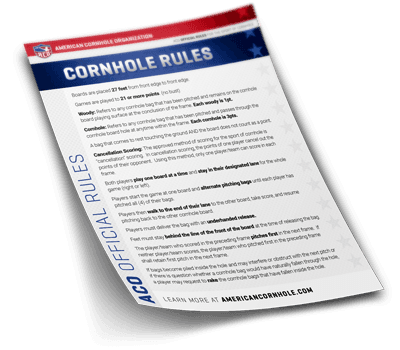
Cornhole’s ugliest moments usually happen away from the throw. A frozen tablet, a runaway shot clock, a score everyone swears is right until it is not, those are the cracks where matches drift from competition into argument. The American Cornhole League is trying to seal them up, and the 2025/2026 rules do it with sharper language, stricter penalties and far less room for gamesmanship.
Dead time now has real consequences
The biggest shift is how the ACL handles non-player technical delays, the kind that happen when the delay is not caused by the athletes themselves, such as a tablet issue. Practice throws are now explicitly off limits in that situation, and the penalty escalates fast: a first violation brings a warning, and a repeat offense can cost bags.
That matters because delay time has always been one of cornhole’s grayest gray areas. Players have often treated dead air as harmless warm-up time, a few casual reps while officials sort out the issue. The new language says otherwise. If the stoppage is technical, not tactical, the league wants the board quiet and the match controlled.
The same logic applies during a timeout. The ACL now prohibits practice bags while the timeout is running, with the next bag forfeited as the penalty. That is a clean line in a sport where even small reset routines can tilt rhythm, especially in high-level play where touch and tempo matter as much as raw accuracy.
The shot clock rule is no longer a shrug-and-move-on moment
The shot clock clarification may be the most important competitive change in the whole package. If the clock expires while timeouts remain, the first violation now triggers an auto-charged timeout before the clock is reset. The player can still use the full 60-second timeout afterward, which means the league is not taking away strategic relief, it is just making the missed clock consequence immediate.
That is a subtle but meaningful change in match flow. Under looser enforcement, a clock violation could feel like a procedural hiccup. Now it becomes part of the strategic ledger, and that gives officials a clearer tool while forcing players to manage pace with more discipline.
There is a competitive integrity angle here too. In pressure matches, especially late in the day when boards get tighter and tempers shorten, clock management is often where veterans separate themselves from everyone else. The ACL is making that separation more literal: lose track of the clock, and you are paying for it right away.
Scorekeeping just got less negotiable
The ACL is also tightening the scorekeeping chain. In matches with an assigned official, the correct score must be confirmed after a violation before the next round begins. That sounds procedural, but in practice it is a hard stop on one of the sport’s most common sources of late-round confusion.
Anyone who has watched enough cornhole knows the issue is rarely whether someone can count to 21. The problem is what happens when a violation changes the board state, one score gets entered, another gets remembered, and the next frame starts before anyone has reconciled the numbers. The league is putting the burden on the match table to settle it immediately, not five tosses later after the argument has already spread.
The same instinct shows up in the concession rule. If a team concedes because it believes it has the winning score, but that score turns out to be wrong, the concession is nullified and play continues. That is a strong signal from the ACL: the wrong number does not get to end a match simply because everyone in the room thought the math was finished.
Taken together, these changes do more than tidy up paperwork. They shift the sport toward immediate accountability, where score errors, clock errors and delay games are corrected on the spot instead of getting absorbed into the next round.
Boards are becoming part of the enforcement story
The equipment section stays just as exacting. ACL-sanctioned boards must be wood, 2 feet by 4 feet, with a 6-inch hole centered 9 inches from the back edge. They must weigh at least 15 pounds, and the front edge has to sit between 2.5 and 3.5 inches above the ground.
Those specs are not trivia. In cornhole, board construction affects slide, hold, bounce and the way bags behave at the edge of the hole. When the league locks down dimensions and weight, it is protecting the same playing conditions from one event to the next. That consistency is what separates a legitimate tour from a patchwork circuit.
The new wrinkle is the stamp requirement beginning October 1, 2026. ACL State and higher events will require ACL marked and approved boards at the appropriate stamp level for the division being played. The stamp ladder is straightforward: no stamp is required at Local or Regional events, ACL Elite is required at State/Province and Open, and ACL PRO is required at Pro events.
That is a meaningful step. It turns equipment from a recommendation into a gatekeeper, especially once the biggest events start demanding the right board at the right level. For players and event operators, the message is clear: if you want to compete at the top of the ladder, the board has to be part of the standard, not a variable.
Why the timing matters on the ACL Pro Tour
These rule changes are not being made in a vacuum. The ACL says the 2025/2026 Pro Tour includes six Signature Opens, and that is not a side circuit for casual traffic. The league’s Pro Guide says the Top 100 players get guaranteed bracket placement, ACL-funded Pro Division payouts and access to televised or streamed coverage.
The money explains the tone. ACL Pro Signature events carry $104,000 in payout per event, and the ACL World Championships payout is $280,000. At that level, a bad delay call, a loose score entry or a board inconsistency is not just an annoyance. It can change bracket placement, payout path and season momentum.
That is why tighter rules can help and also create pressure. Clearer language should reduce the kind of sideline debate that makes matches feel improvised. But the sharper the rule, the more every official judgment matters, and the more any missed call can feel like it decided a round before the bags did.
The bigger 2025/2026 push
The ACL’s broader 2025/26 plan fits the same pattern of standardization. The national schedule begins in Rock Hill, South Carolina, the league’s official home city, and runs through stops including Myrtle Beach, South Carolina, Tiverton, Rhode Island and the Pacific Northwest. Registration for all levels of all 2025 calendar year events opens on Wednesday, October 1.
The league’s season overview adds the rest of the picture: the return of Open Standings, rewards for the Top 1000, a Player Engagement Program with custom jerseys and free entries, new State and Club Director incentives, and CPI, or Cornhole Performance Index, designed to reduce sandbagging and improve division placement.
That is the real through line in all of this. The ACL is not just polishing a rules sheet. It is trying to make every stop on the tour feel more like a major and less like a workaround, where the board, the clock and the score all mean exactly what they are supposed to mean.
This article was produced by Prism’s automated news system from verified source data, official records, and press releases, then run through automated quality and moderation checks before publishing. The system is built and supervised by the people who set the standards it runs under. Read our full AI policy.
Did this article answer your question?