How cornhole bags evolved from corn to strategy tools
Cornhole bags stopped being filler and became tactics. Resin, slick sides, and ACO rules turned every throw into a gear decision.

The biggest leap in modern cornhole came when the American Cornhole Organization developed a two-sided bag with one sticky side and one slick side. That shift turned a backyard toss into a strategy sport built around blocking, pushing, airmails, and slides. Over the last two decades, the American Cornhole Organization formalized that change, from the filler inside the bag to the way sanctioned players are allowed to use it.
From corn to consistency
Early cornhole had almost none of the structure that defines the game now. The sport began with no organization, no defined rules, and no standardized equipment, which is why the bag became such a central part of the sport’s evolution. The first bags were simple canvas sacks filled with corn, a setup that worked for casual play but left too much variation from one bag to the next.
The switch to resin pellets changed the feel of every throw. Resin pellets are an industrial resin and plastic product, and that made bags more consistent in weight and playability than corn ever could. Once the fill settled into a repeatable standard, players could start trusting what a bag would do off the board instead of guessing at it.
Why two sides changed the game
That two-sided design added more shot types and more planned strategy, because the same throw can behave in two very different ways depending on which surface hits the board first. The sticky side of modern cornhole bags is typically microfiber suede, while improvements in slide-side technology made sliding and pushing strategies more reliable over the course of a tournament.
A sticky-side bag is built to die quickly, which is exactly what you want when you are trying to drop a block at the front of the hole or stop a board from carrying too far. A slick-side bag, by contrast, can skate, peel, or push, making it the better choice when the lane is open and the goal is to move traffic instead of freeze it.
The difference shows up in real decisions on the board. Airmails depend on a bag that will come out clean and land soft enough to stay put, while a push shot often needs the slick side to drive through another bag without losing all of its momentum. On a recovery shot, especially when a bag is hanging near the hole or sitting awkwardly on the slick side, the player is not just aiming at the hole. The player is choosing whether to let the bag move, stay, or redirect into a scoring position.
How the bag shapes every possession
Modern cornhole is full of small decisions that start before the bag leaves the hand. A block is not just a defensive throw; it is a statement about board speed and bag surface. If the board is running fast, a sticky bag can die in the right spot and force the other player into a tougher line. If the board is slow, the same shot might need more firmness or a different surface to avoid falling short.

Pushes are where the bag’s design becomes a weapon. A slick-side bag can carry enough speed to move an opponent’s bag while still staying in play, and that changes the shape of the entire frame. Instead of just trying to hit the hole, the player is reading angles, board friction, and the way one bag will interact with another on contact.
Airmails ask for precision, but they also ask for trust in the bag’s finish and fill. If the bag is too grabby, it can kill itself mid-flight; if it is too slippery without control, it can miss the target area entirely.
Rules turned equipment into infrastructure
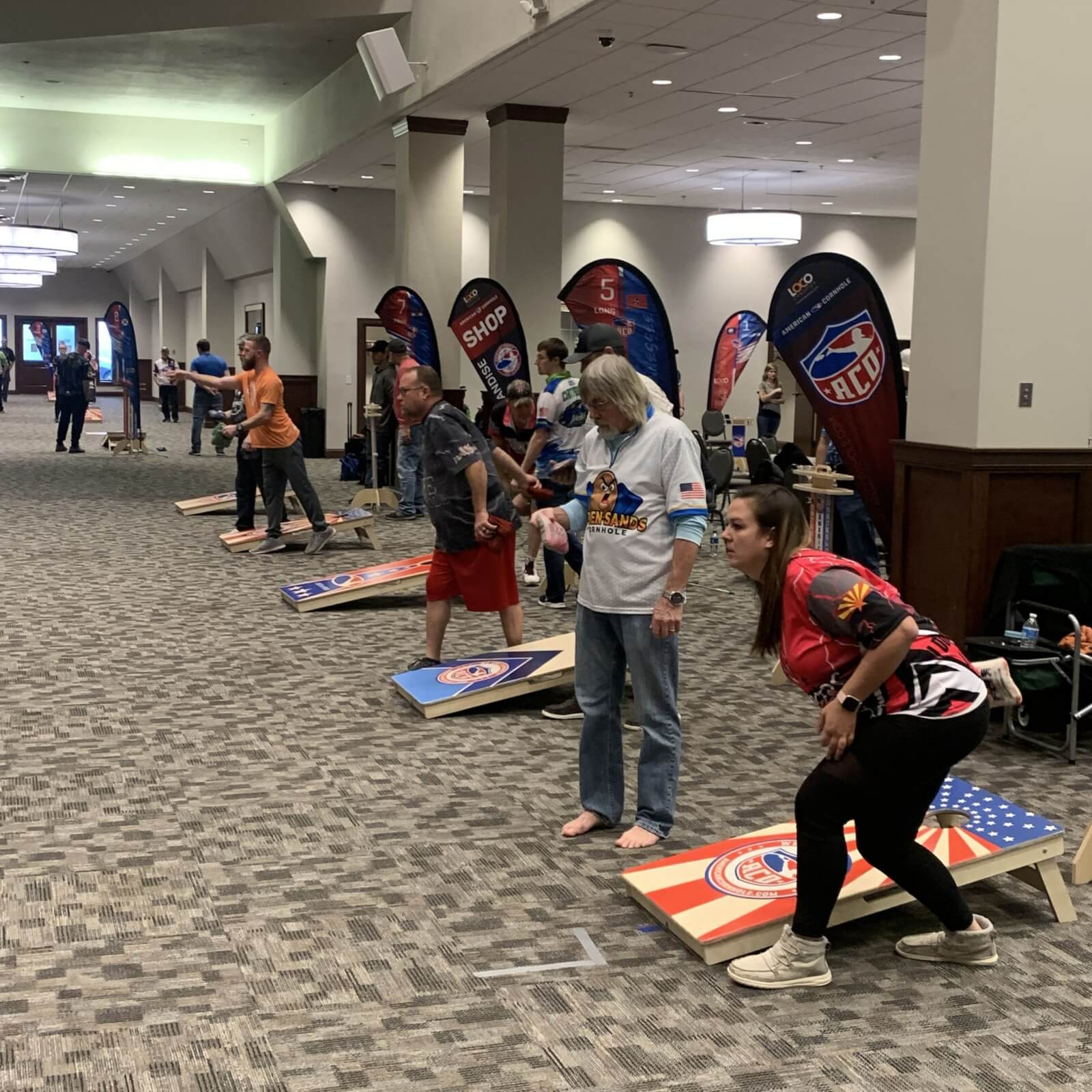
The American Cornhole Organization has been the official governing body since 2005, and its rules show how far bag design has moved from backyard variation to competitive infrastructure. ACO-approved stamped bags manufactured by season bag partners can be used in ACO regional and major tournaments and at the World Championships of Cornhole. The rules also require bags to meet published approval criteria and include procedures for challenging bags, along with player responsibilities for bags and specific bag-related gameplay rules.
If a bag does not meet the standard, it is unusable in sanctioned competition.
The ACO’s later Tournament Series bag line pushed that logic even further by giving players a direct choice between slick or stick.
Why the sport’s growth followed the gear
The World Championships reached ESPN SportsCenter coverage in 2015.
This article was produced by Prism’s automated news system from verified source data, official records, and press releases, then run through automated quality and moderation checks before publishing. The system is built and supervised by the people who set the standards it runs under. Read our full AI policy.
Know something we missed? Have a correction or additional information?
Submit a Tip