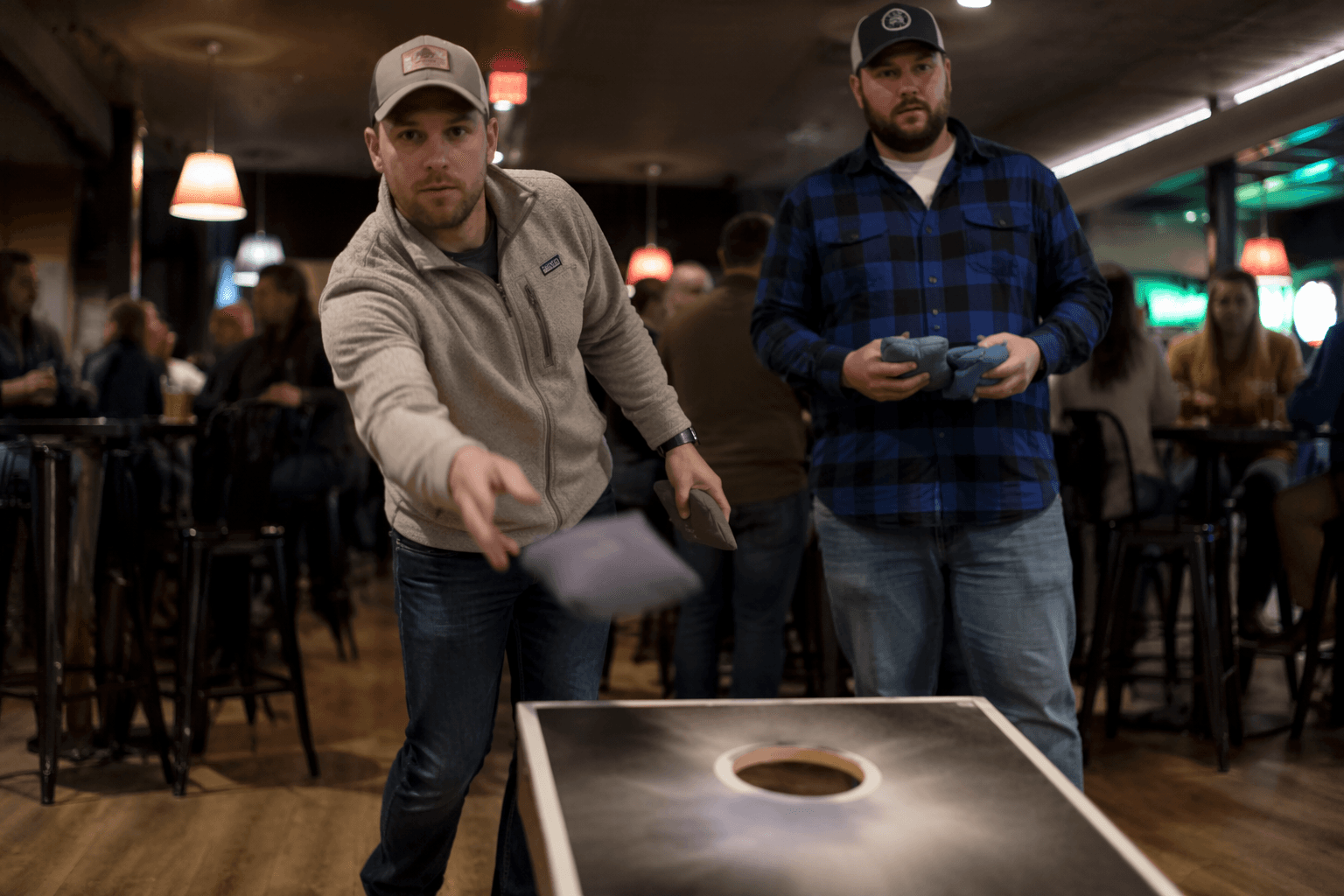
Senior Games treat cornhole as a durable medal sport
Senior Games cornhole has open entry, age divisions, and real medals. The 2027 schedule is already set, proving it works as a lifetime sport.
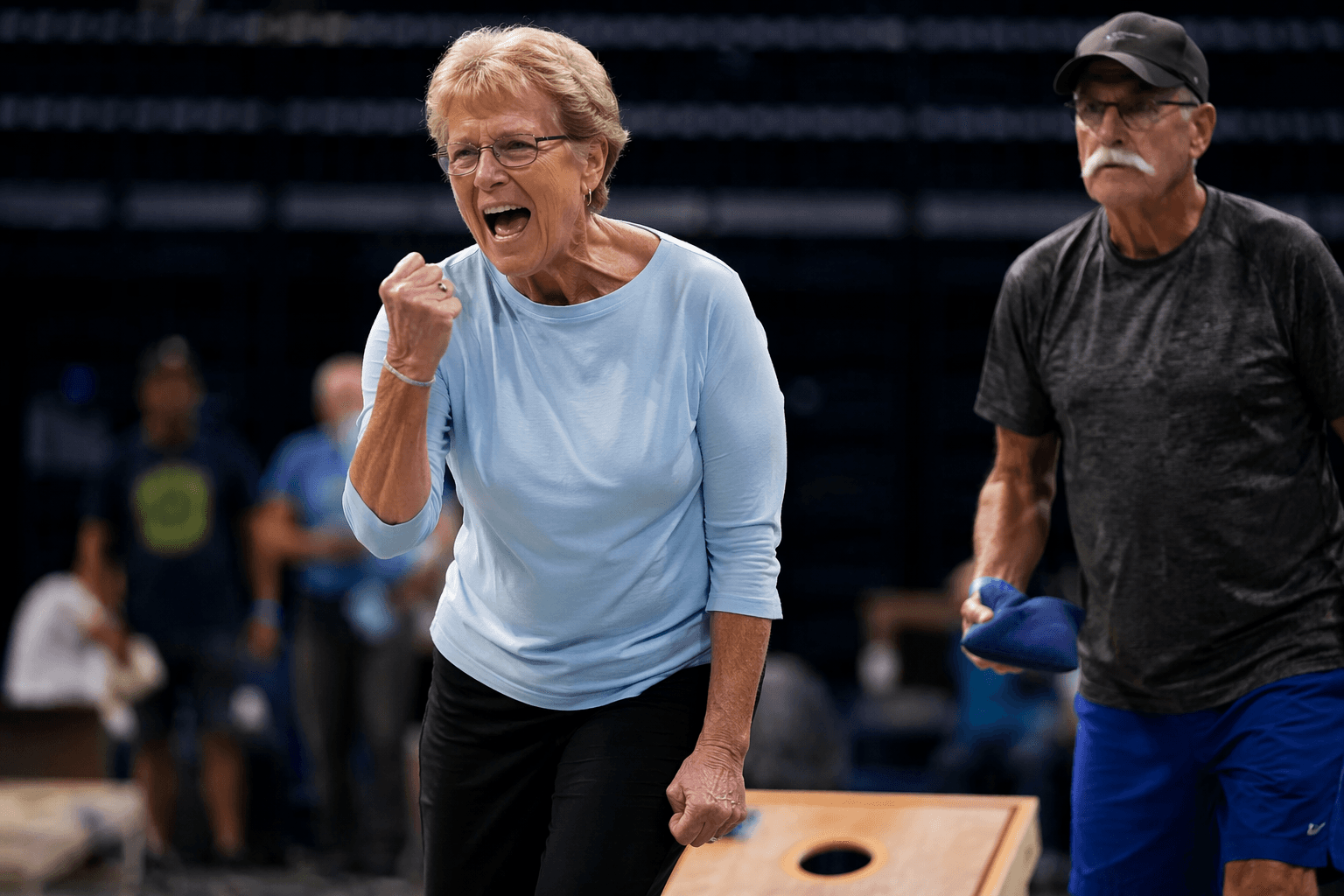
The strongest case for cornhole in senior sports is not nostalgia. It is the calendar, the brackets, and the fact that players keep showing up well past the years when most sports are no longer realistic. Inside the National Senior Games Association program, cornhole sits as a formal competition with schedule details, venue information, rulebook links, equipment guidance, and qualification information all gathered in one place. That same page already lays out the 2027 cycle, with practice and competition on Friday, July 9, 2027, and competition again on Saturday, July 10 and Sunday, July 11.
A medal event with a real pathway
The National Senior Games Association treats cornhole as part of the event architecture, not as a novelty side show. Its cornhole page directs athletes to the American Cornhole Organization, which ties the senior circuit to the wider competitive structure of the sport. For players, that matters because it means the event is built around standards, not improvisation: the page includes the information needed to understand where to play, what rules apply, what equipment is used, and how the qualification process works.
That structure is what separates cornhole from the throwaway games people associate with tailgates or backyard weekends. The sport has a defined place in the National Senior Games program, and the schedule for 2027 shows it as a repeatable, organized medal event. When a sport is listed with practice, competition days, and support material for entry, it is being treated like part of the serious business of senior athletics.
How cornhole became a national circuit sport
The competitive backbone of senior cornhole runs through the American Cornhole Organization. The ACO says it was established in 2005 and is headquartered in Camp Dennison, Ohio, near Cincinnati. It also says it held its first ACO Nationals Championship in December 2006 in Northern Kentucky, a marker that shows how quickly the game moved from casual play into a formal championship setting.
Frank Geers is the clearest institutional link between that growth and the senior-game ecosystem. On the National Senior Games Association’s sports-chairs page, Geers is identified as the cornhole chair, and his profile says he helped create standardized rules and equipment, a professional status and ranking system, and a nationwide tour. That tour has also widened internationally, with a presence in Canada, Europe, India, and China. In other words, the same competitive scaffolding that made cornhole a governed sport outside the senior category is the framework now feeding its life inside it.
That history matters because senior cornhole is not being propped up by sentiment alone. It is drawing from a real sport economy with rules, rankings, and sanctioned events already in place. The senior field benefits from that maturity, and the sport itself benefits from the steady return of athletes who want competition they can keep playing for decades.
What the 2025 Games showed
The clearest evidence of cornhole’s staying power showed up at the 2025 National Senior Games in Des Moines, Iowa, which ran from July 24 to August 4, 2025. The National Senior Games Association said those Games drew more than 12,500 athletes and generated an estimated $40.25 million in economic impact for the host region. That is not the footprint of a fringe exhibition. It is a major multi-sport event with real scale and repeat traffic.
Cornhole’s place in that program was not symbolic. The National Senior Games Association’s 2025 results archive includes detailed cornhole results, which gives the event recordable stakes and a paper trail of wins, losses, and placements. In Cherokee, North Carolina, a delegation sent more than 40 cornhole players to the Games, a reminder that the sport travels well from small towns to large-stage competition. The athletes there described it as exercise, a way to stay active, and a reason to keep moving instead of sitting still. That is the practical side of the sport’s appeal: it asks for less physical punishment than most games, but still rewards repetition, nerve, and precision.
Why the sport keeps working for older athletes
Cornhole’s senior appeal is built on access without dilution. The National Senior Games Association classifies it as an open sport, which means athletes do not need qualification to enter. That makes it unusually welcoming in a landscape where many events are filtered through qualifying standards before the national stage even begins. At the same time, it remains competitive enough to support detailed results, age divisions, and a national calendar.
The age structure is part of what makes the sport durable. NSGA’s qualification guidance notes that athletes can age up between state and national competition, and the 2025 cornhole schedule included multiple age-group starts such as women’s singles at 50-54, 55-59, 60-64, 65-69, and 70-74. That kind of range is the difference between a one-off appearance and a sport that can follow an athlete across multiple life stages. It gives a 50-something player and a 70-something player a place to compete with peers, not just a lane to participate.
The larger institutional setting reinforces that point. The National Senior Games Association says it is an Affiliate Organization Council Member of the United States Olympic and Paralympic Committee, and it works with more than 50 independent member organizations that run qualifying competitions. It also describes the National Senior Games as the largest qualified multi-sport event in the world for athletes ages 50 and over. Taken together, those facts explain why cornhole fits so cleanly into the senior-games model: it is easy to enter, hard to master, and built for repeat play over a long athletic lifespan.
By the time practice and competition arrive on Friday, July 9, 2027, the sport will again have a stage that rewards consistency as much as raw talent. That is the real strength of senior cornhole: it keeps making room for people who are still competing, still improving, and still able to matter on a national bracket.
This article was produced by Prism’s automated news system from verified source data, official records, and press releases, then run through automated quality and moderation checks before publishing. The system is built and supervised by the people who set the standards it runs under. Read our full AI policy.
Did this article answer your question?