Cincinnati profile highlights CrossFit’s elite and adaptive athletes
Sam Briggs and Tim Murray show why Cincinnati still matters in CrossFit, where elite pedigree and adaptive competition keep the sport sharp.
Cincinnati as a competitive case study
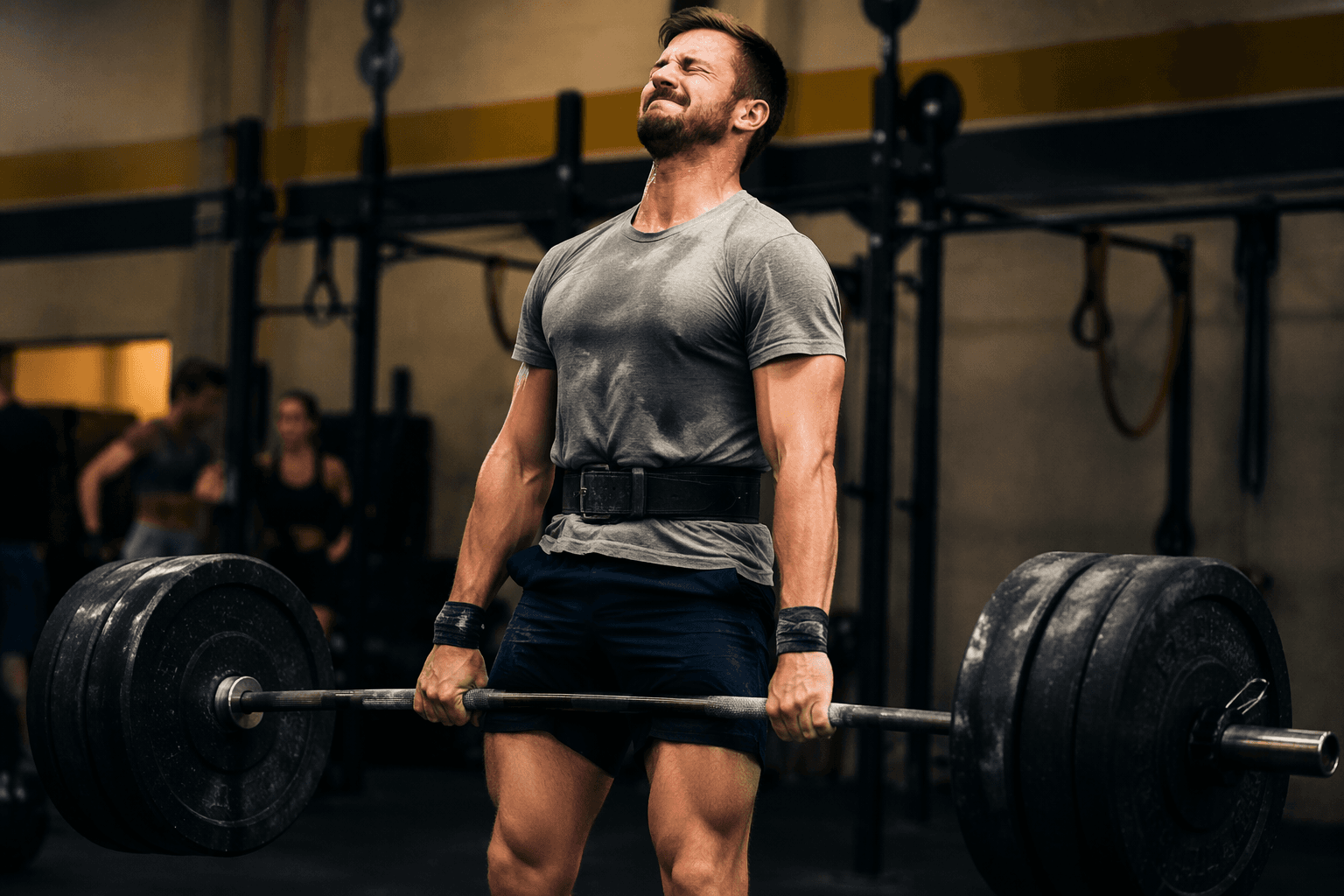
The clearest sign that CrossFit is still alive in Cincinnati is not a packed headline or a glossy fitness trend. It is the sport’s familiar absurdity: one workout can demand heavy deadlifts, a 25-foot handstand walk, and ring muscle-ups in the same test. That mix of strength, skill, and discomfort is exactly why the Queen City profile works so well as a case study, because it shows CrossFit at its most durable: not as a broad wellness label, but as a competitive ecosystem that still produces serious athletes.
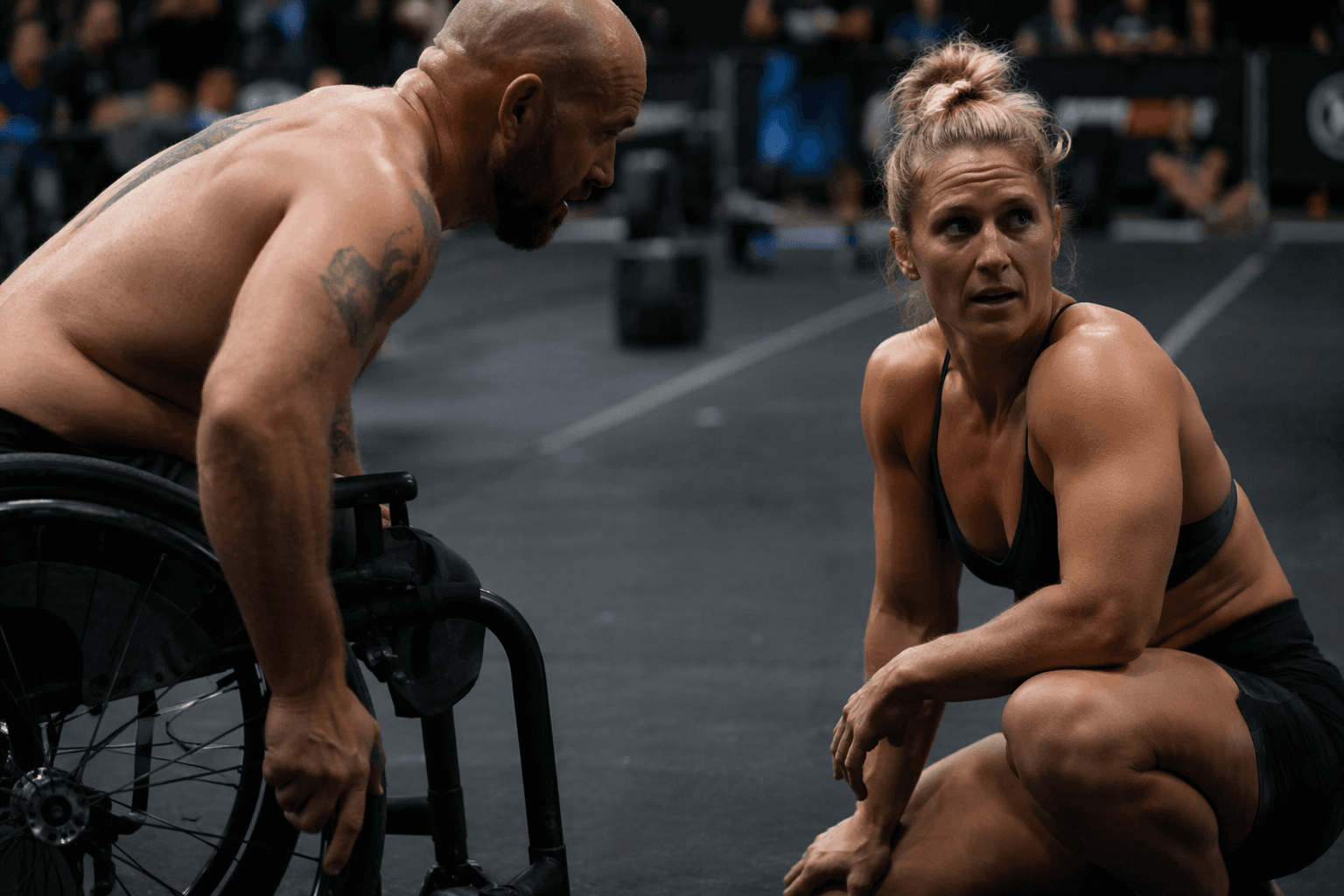
Cincinnati matters here because it reveals the sport’s real engine. The local scene is built around elite hopefuls, adaptive competitors, and coaches who keep the pipeline moving through repeatable, measurable standards. That structure matters more now that mainstream CrossFit buzz has cooled. The sport survives where the competition still feels immediate, and Cincinnati’s athletes show how that happens on the ground.
Sam Briggs proves the sport still rewards longevity and range
Samantha Briggs brings historical weight to the story because her career sits at the top of CrossFit’s competitive arc. CrossFit describes her as the 2013 CrossFit Games champion, a two-time Open winner in 2013 and 2014, and the athlete with the most worldwide Open event wins of all time, with 12. She is also listed as a 10-time CrossFit Games competitor, with nine individual appearances and one masters appearance.
That résumé matters because it shows what CrossFit has always valued: not just one great weekend, but the ability to stay relevant as the sport changes year to year. Since 2007, CrossFit says the Games have evolved into a comprehensive test of fitness, and the details continue to shift. Briggs’ longevity fits that model perfectly. She is not simply a former champion preserved in memory; she is proof that the sport still rewards adaptability, technical range, and the willingness to keep showing up for tests that are never fully predictable.
Her training also reflects that reality. The profile shows a weekly rhythm built around multiple high-intensity sessions, lifting, and skill work such as muscle-ups and handstand walks, with lighter recovery days and Saturday simulations of Games-style events. That is more than a workout plan. It is a reminder that at the top end, CrossFit is closer to a constantly changing competition lab than a standard gym routine.
Tim Murray and the power of the adaptive field
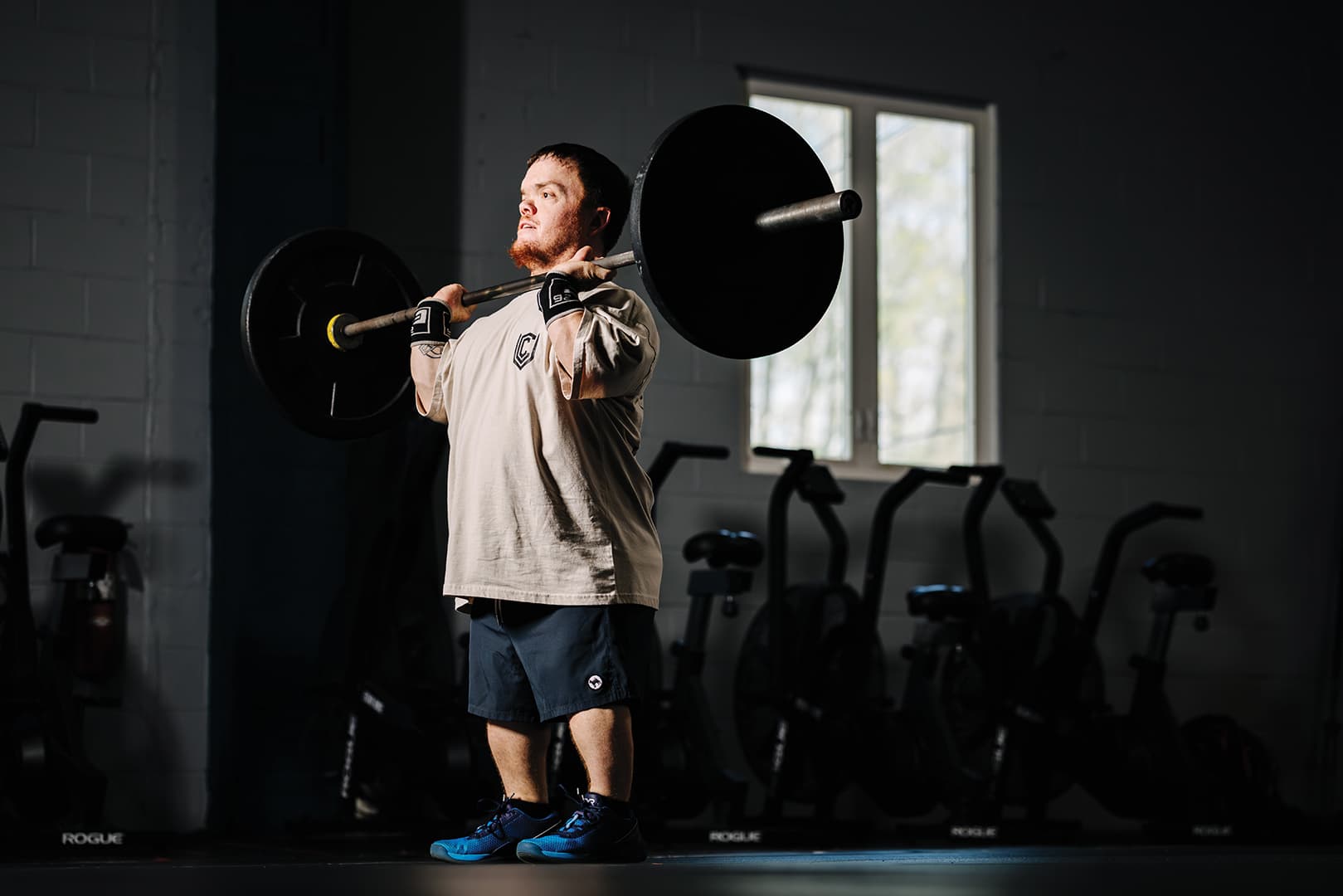
If Briggs represents elite longevity, Tim Murray shows how CrossFit’s adaptive divisions have expanded the sport’s competitive meaning. Murray competes out of CrossFit NKY and started CrossFit in August 2021, a relatively short runway for an athlete already producing elite-level results. Before CrossFit, he competed in kettlebell sport at the Arnold Sports Festival, the Dwarf Athletic Association of America Games, and the World Dwarf Games, where he says he won multiple medals and reached Rank 1.
That background matters because it shows CrossFit pulling in athletes from other disciplines while giving them a distinct and serious stage. Murray’s current record in the short-stature division is especially notable. At the 2025 Adaptive CrossFit Games, held Sept. 12-14, 2025, Cade Ingelse won the men’s short stature division and Murray finished second. The result reinforces a key point: this is not symbolic participation. It is high-level competition with real placement, real standards, and real pressure.
Murray’s own routine makes that competitive seriousness even clearer. His training is built around roughly two-hour sessions after work, with mobility, strength work, a main workout, and a skill block. That structure mirrors what CrossFit rewards across all divisions: range, repeatability, and the ability to absorb demanding training without losing technical quality. In Cincinnati, that adaptive pathway is not a side story. It is central to how the city’s CrossFit scene keeps producing athletes worth watching.
What the adaptive division says about the sport now
CrossFit’s handling of adaptive competition helps explain why the sport still has staying power. The adaptive athlete division was introduced in the Open in 2021, and CrossFit said at the time that the Open included 16 adaptive athlete divisions, including short stature for men and women. The official policy says the goal is to preserve both equal access and competitive integrity.
That combination is important. CrossFit has always sold itself as universal in theory, but the adaptive structure shows how that idea becomes practical. Athletes are not flattened into one category; they are given divisions that make the competition fair while still testing elite performance. In a sport built on comparison, that balance is what gives the adaptive field legitimacy.
The seasonal structure also keeps the division visible. The 2026 Adaptive Open registration opened Jan. 14, 2026, and the 2026 Adaptive CrossFit Games are scheduled for July 24-26, 2026 in San Jose, California. That calendar says the adaptive side of the sport is not a one-off showcase. It is part of the annual engine, and Cincinnati’s athletes fit directly into that larger system.
Why Cincinnati still matters to CrossFit’s future
The larger takeaway from the Cincinnati profile is that CrossFit’s cultural center has shifted from broad hype to specific proof. The sport still matters where it can produce athletes with distinct identities, measurable results, and pathways that reward more than one body type or one life story. Briggs represents the elite standard that has endured across nearly a decade of Games appearances. Murray represents the adaptive athlete who has turned a relatively recent start in August 2021 into top-tier finishes on a national stage.
Cincinnati is useful because it is not being asked to carry the whole CrossFit brand. It is showing what the brand still does best: create a proving ground where a workout can demand deadlifts, handstand walks, and ring muscle-ups, and where a former Games champion and a short-stature adaptive athlete can both be part of the same serious conversation. That is where the sport still feels most alive, and Cincinnati makes that case without needing any nostalgia at all.
This article was produced by Prism’s automated news system from verified source data, official records, and press releases, then run through automated quality and moderation checks before publishing. The system is built and supervised by the people who set the standards it runs under. Read our full AI policy.
Know something we missed? Have a correction or additional information?
Submit a Tip