CrossFit Athlete Council weighs 2027 qualification changes and sanctions
CrossFit’s Athlete Council pressed into 2027 qualification, from online stages to regionality, as CrossFit also levied nine sanctions tied to judging and video abuse.
CrossFit’s Athlete Council spent its June 11 meeting on the shape of the 2027 season, with online qualification, semifinal limits and regionality all on the table. The debate landed at a moment when CrossFit was also tightening discipline, issuing sanctions for judge misrepresentation, birthdate falsification and edited videos in Age-Group Semifinals.
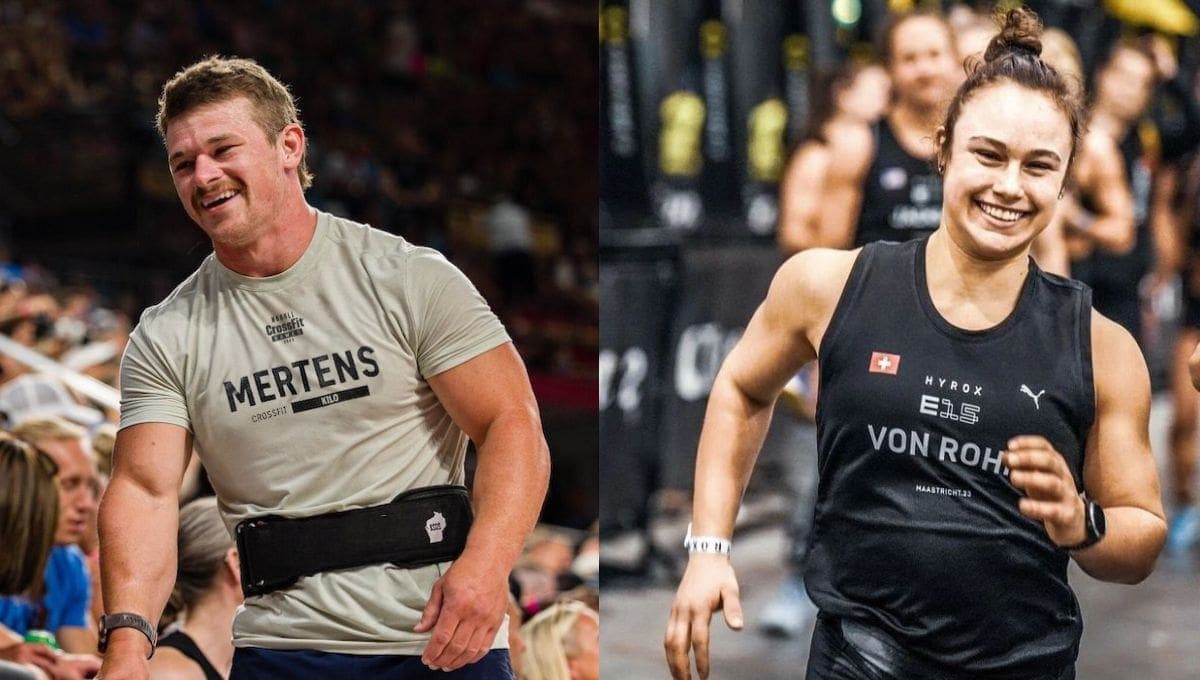
CrossFit’s meeting notes identified attendees from CrossFit HQ, including Heather Lawrence, Dave Eubanks and Becky Harsh, along with CAC members Andrew McLaughlan, Colten Mertens, Gio Benitez, Harry Jager, Jason Grubb, John Kim, Karli DeMonico, Matt Young, Nathan Black, Olivia Grimsland, Rebecca Voigt Miller, Seth Page, Tim Murray and Yazmin Arroyo. The council, which CrossFit says exists to give athletes, affiliate owners and coaches a voice in competition protocols, safety and athlete welfare, spent the meeting weighing whether qualification should keep leaning on online stages or shift back toward more in-person competition.
That question carries real consequences for who reaches the Games. In the 2026 season, the Open ran from Feb. 26-March 16, the individual online Semifinals were set for June 11-15, and CrossFit said the current calendar marked two decades of finding the Fittest on Earth and the 20th CrossFit Games. The current system also kept individual men’s and women’s Semifinal cutlines at 2,000 athletes each, while online Semifinal scores stayed hidden from the public leaderboard until the competition ended, every video was required and late scores were not accepted.
The council also revisited whether athletes should be limited to a “one and done” Semifinal path after two years in which some competitors entered multiple in-person events. That issue matters because CrossFit’s 2026 Semifinals slate stretched across Cookeville, Tennessee; Del Mar, California; São José, Santa Catarina, Brazil; Busan, South Korea; Birmingham, Alabama; Paris, France; and Brisbane, Queensland. If CrossFit adopts tighter limits for 2027, athletes in stronger regional lanes could lose the chance to chase extra qualifying starts, while a cleaner one-event rule would put more weight on a single weekend.
Regionality was another live fault line. CrossFit’s current rulebook already includes Region Selection, Country Flag Display and Region Leaderboards, a sign that geography still shapes the sport even in an online-heavy format. A return to stronger regional borders would reshape who gets a path to the Games, especially for athletes from deep fields in North America, Europe and Oceania, while potentially reopening doors for competitors whose best route comes through a defined region rather than a global leaderboard.
The council meeting also folded sanctions into the qualification conversation. CrossFit said six athletes received two-year sanctions for judge misrepresentation, two more were sanctioned for complicity, two athletes were sanctioned for falsifying a birthdate, and one athlete received a four-year sanction for submitting edited videos in an Age-Group Semifinals case. CrossFit also said the Community Cup would run from Aug. 1 through Aug. 31, 2026, while the 2027 roadmap remained under review.
This article was produced by Prism’s automated news system from verified source data, official records, and press releases, then run through automated quality and moderation checks before publishing. The system is built and supervised by the people who set the standards it runs under. Read our full AI policy.
Did this article answer your question?