Nasty Girls marked a CrossFit turning point in 2005
Nasty Girls was more than a viral clip: it helped define CrossFit’s benchmark culture, testing strength, skill and capacity in one brutal triplet.
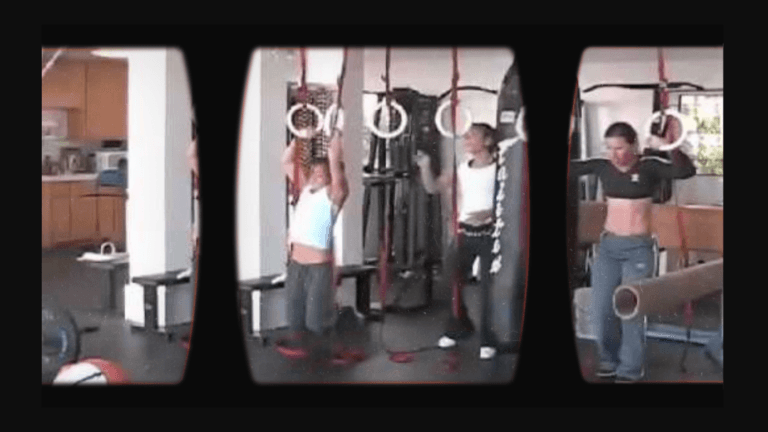
Nasty Girls turned three rounds of 50 squats, 7 muscle-ups, and 10 hang power cleans into a CrossFit proving ground that still gets used to measure fitness. When CrossFit posted it on Sunday, December 4, 2005, with Nicole Carroll, Eva Twardokens, and Annie Sakamoto in the video, the workout did more than go live on the site. It announced a style of training, one built on visible performance, repeatable standards, and the idea that elite fitness should look broad instead of narrow.
What the original workout asked for
The original post on CrossFit.com called for 3 rounds for time of 50 squats, 7 muscle-ups, and 10 hang power cleans at 135 pounds. That is a clean, brutal equation: leg endurance, gymnastics skill, and barbell output, all stacked without much room to hide. CrossFit’s retrospective later noted that the original video showed 30 hang power cleans at 95 pounds and 21 muscle-ups, with the three athletes pushing the pace in a way that made the workout legible even to people who had never seen ring work done that aggressively.
The recorded times drive home how the workout separated athletes under fatigue. Annie Sakamoto finished in 9:47, Eva Twardokens in 10:16, and Nicole Carroll in 12:51. Those are not just numbers for a highlight reel. They show how a benchmark becomes useful: it gives you a fixed task, then lets you compare output across athletes, across years, and across changes in training quality.
Why Nasty Girls landed so hard
Nasty Girls arrived when the broader fitness industry still leaned heavily on machines and isolated movements, while CrossFit was pushing functional movements performed at high intensity. That contrast is the whole story. A machine stack can hide a lot. Muscle-ups cannot. The workout put ring strength, coordination, and upper-body control front and center, and it did so with women doing the work in a way many gym-goers did not expect to see in 2005.
That is why the social impact mattered as much as the score. Carroll’s reflection on the video makes clear that the performance challenged the assumption that women would not, or could not, do ring work at that level. CrossFit also framed the moment as part of a larger argument that more skill-based standards can narrow the perceived strength gap between men and women. In practical terms, the workout did not just test whether an athlete could move weight. It tested whether the athlete could keep shape, composure, and movement quality when the simplest route was no longer available.
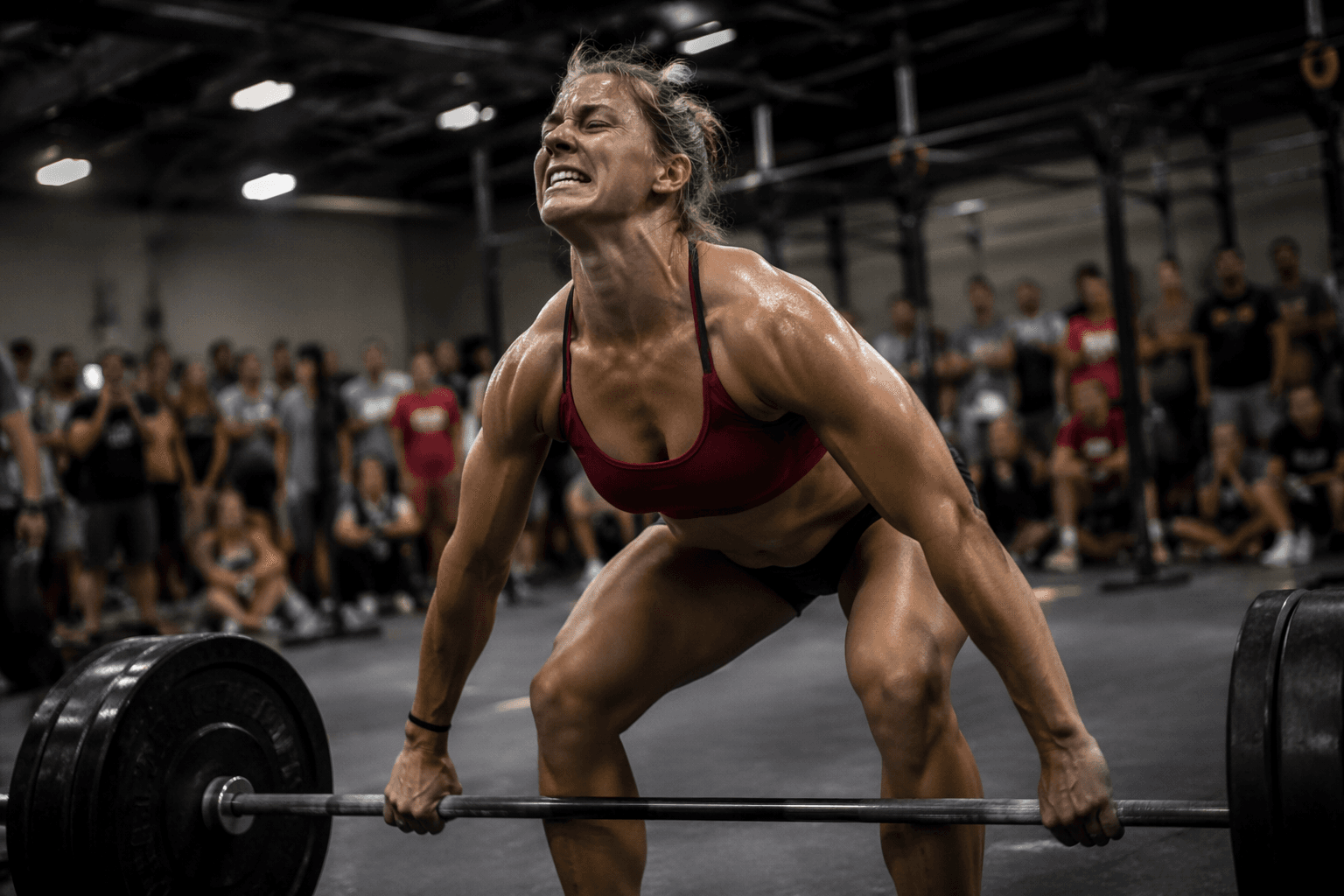
The title itself came later. CrossFit says the workout had no name when it was first posted, and that “Nasty Girls” was added during editing after Lauren Glasse used the song by Nitty. That detail matters because it shows how a plain training session became a branded cultural marker. The workout was real first, then iconic second.
How it became a benchmark
CrossFit’s benchmark system is built for repetition, not one-off hype. The benchmark-workouts page says these workouts were deliberately given female names and were meant to reappear irregularly so athletes could measure progress over time. That is the real reason Nasty Girls still matters. It was not designed as a novelty. It was designed to return.
The modern programming trail proves that point. CrossFit programmed Nasty Girls on December 29, 2022 and again on May 1, 2026, and it continues to sit inside the benchmark library and programming ecosystem. CrossFit also built Nasty Girls V2 around the same core shape, but changed the stress: 50 alternating single-leg squats, 7 muscle-ups, and 10 hang power cleans at 175/125 pounds. The structure is familiar, but the demand changes. Single-leg squats put a premium on unilateral stability and leg strength, while the heavier barbell raises the cost of sloppy cycling. Same benchmark family, different test.
CrossFit’s current programming notes also treat Nasty Girls as a sub-15-minute workout for advanced athletes. That time domain tells you what the workout still asks for now: aggressive pace, fast transitions, and enough capacity to keep the muscle-ups from detonating the round. It is still a benchmark because the stimulus is clear. If the athlete has improved, the clock shows it immediately.
The athletes made the clip last
The people in the video gave Nasty Girls staying power. Annie Sakamoto started CrossFit in 2004 and became a trainer at the original CrossFit Santa Cruz, which ties the workout to the earliest affiliate culture in Santa Cruz, California. She later made her first masters Games appearance in 2016 and finished second in the Women 40-44 division, a reminder that the same athlete who helped shape one of CrossFit’s early reference points kept showing up in competition years later.
Eva Twardokens brought a different kind of credibility. CrossFit describes her as a two-time Olympian in alpine skiing, and that background matters because it underscored the range of athletes CrossFit was trying to attract and validate. Nicole Carroll gave the piece its coaching authority and its competitive sharpness. Together, the trio made the workout feel less like an experiment and more like proof.
The video’s longevity shows how strong that proof was. CrossFit later said the clip moved to YouTube in 2011, and by 2022 it had drawn more than half a million views. That kind of reach is rare for a workout clip from the early internet era. The reason it lasted is simple: people could watch it and understand the standard immediately.
What it tests now
For coaches and athletes, Nasty Girls still tests the same core traits, even when the load or variation changes. The original version measures squat stamina, gymnastics skill, and barbell cycling under fatigue. The V2 version adds heavier cleans and single-leg work, which makes the workout more demanding without changing its identity. In both cases, the athlete has to keep moving while fatigue tries to break position and rhythm.
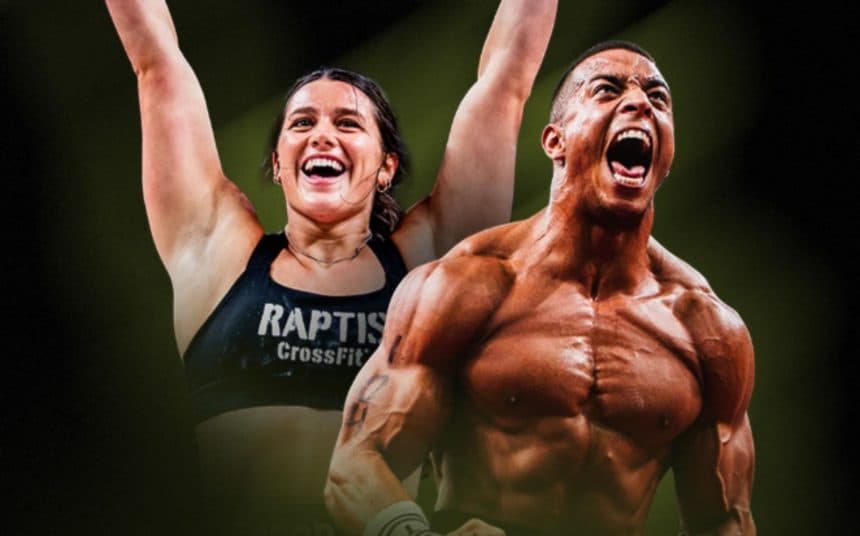
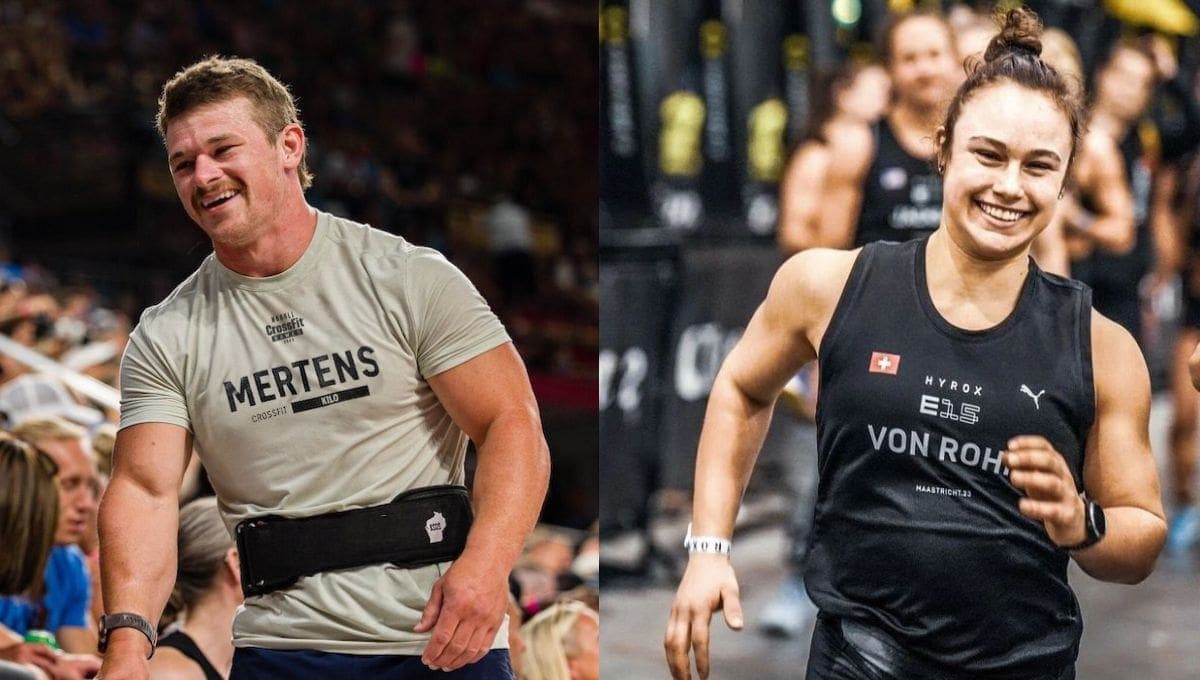
CrossFit revisited the workout again in 2024 through a Gold Barbell Throwdown featuring Jeff Adler, Brent Fikowski, Alex Gazan, and Alexis Raptis. That return says everything about the benchmark’s place in the sport. Nasty Girls is not preserved because it is old. It is preserved because it still exposes the same truths it did in 2005: who can move fast, who can hold standards, and who can keep capacity from falling apart when the workout stops being comfortable.
This article was produced by Prism’s automated news system from verified source data, official records, and press releases, then run through automated quality and moderation checks before publishing. The system is built and supervised by the people who set the standards it runs under. Read our full AI policy.
Did this article answer your question?