CrossFit podcast explores how training can support trauma recovery
CrossFit’s trauma-recovery episode gives affiliates a practical lens on structure, community, and consistency, while drawing a clear line between coaching and clinical care.
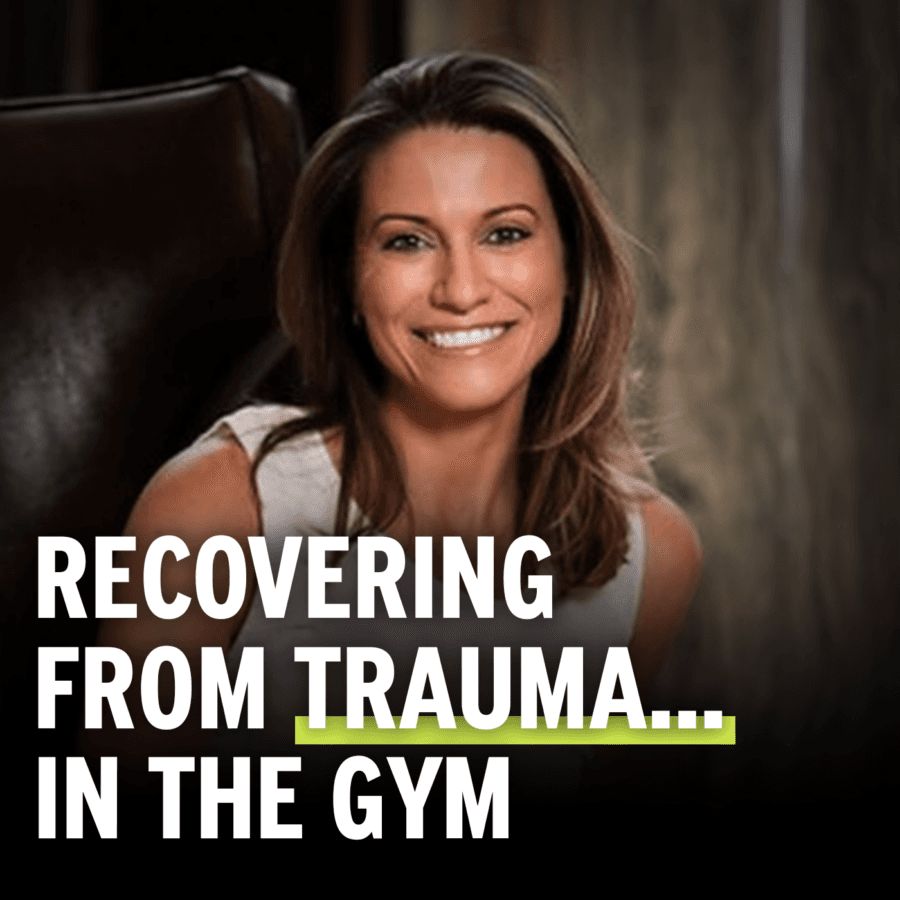
CrossFit’s healing message reaches beyond the leaderboard
CrossFit’s podcast lineup took a deliberate turn toward recovery with an episode built around one question: how can training help someone rebuild after trauma without pretending to replace real care? The May 19 episode, How to Use CrossFit To Support Trauma Recovery, does that by placing CrossFit inside a broader conversation about resilience, mental health, and the daily systems that help people feel safe again.
That framing matters because CrossFit has always sold more than sets and reps. The brand’s identity leans on movement, community, and accountability, and this episode uses those pillars to make a larger point: training can support healing when it helps restore trust in the body, the schedule, and the people in the room. At a moment when the sport side of the brand is under Semifinals pressure, the episode serves as a reminder that CrossFit’s reach is broader than scoreboards.
Why this episode stands out
The conversation is anchored by host Jocelyn Rylee and Dr. Stephanie Arel, whose background gives the episode unusual depth for a sports-branded podcast. Arel has a master’s degree in religion and psychiatry, a Ph.D. in theology and trauma studies, and clinical experience working at an eating-disorder hospital. She is also a CrossFit athlete, which keeps the discussion from floating off into abstract wellness language.
That mix of academic training and lived experience gives the episode credibility on two levels. It can speak to the science and psychology of trauma, but it can also speak to the reality of showing up in a gym, following a routine, and trying to feel at home in a body that may not feel safe. For CrossFit listeners, that combination is the point: the method is being treated not just as fitness, but as a framework that can intersect with recovery.
What CrossFit is being positioned to do
The most important idea in the episode is not that CrossFit fixes trauma. It is that the structure around CrossFit may help people take small, meaningful steps toward stability. Consistency matters here. A repeatable class time, a familiar warm-up, and a predictable coaching voice can create a sense of order for someone whose life has felt chaotic.
The podcast frames that support in practical terms:
- Routine can reduce uncertainty. A known schedule and a familiar class format can help members feel grounded.
- Movement can rebuild trust. Training can help someone reconnect with their body gradually, rather than forcing a leap into intensity.
- Community can restore belonging. A supportive gym can become a place where people are seen, not judged.
- Coaching language matters. The way a coach cues, corrects, and checks in can make training feel safer or more threatening.
That is a useful distinction for affiliates. The episode is not asking gyms to become therapy offices. It is asking them to recognize that the culture of a class, from how athletes are greeted to how effort is framed, can influence whether someone feels able to return the next day.
What coaches and gym owners can apply responsibly
For gym owners and coaches, the practical value of the episode is in the lane it defines. CrossFit can support recovery through consistency and belonging, but only if coaches understand the boundaries of their role. The safest and most responsible application is to build environments that are predictable, respectful, and flexible enough to meet people where they are.
That means keeping a few principles front and center:
- Make class structure clear. Opening, warm-up, workout, and cool-down should feel organized and explainable.
- Offer choices when possible. Scaling, movement substitutions, and permission to rest help athletes stay engaged without feeling cornered.
- Use neutral, supportive language. Coaches can emphasize effort, progress, and presence without using shame or pressure.
- Watch for distress, not just performance. If a member is visibly overwhelmed, the right move is to slow down, check in, and refer them to appropriate help when needed.
- Protect consistency. People navigating trauma often respond well to predictability, so changing expectations mid-class or using surprise pressure tactics can work against that goal.
This is where the episode becomes especially useful for affiliates. It offers a vocabulary for understanding why some members thrive in structured training environments while others may need more space, more communication, and more patience before they can fully engage.
Where the boundary line sits
The episode is careful not to turn CrossFit into a cure-all, and that restraint is one of its strengths. Training can help create safety and consistency, but trauma recovery is not something a workout can solve on its own. Professional trauma care remains essential when someone needs clinical support, and the gym should never be treated as a substitute for therapy, medical treatment, or specialized intervention.
That boundary is important for coaches because it protects both the athlete and the affiliate. A gym can be one part of a recovery ecosystem, but it should not claim authority it does not have. The responsibility of a coach is to create a space where members can move, belong, and regain confidence gradually, not to diagnose, treat, or interpret trauma.
Why CrossFit fans should care
Even for readers who follow the Games more closely than the methodology side of the brand, the episode says something important about where CrossFit wants to live culturally. The sport still drives the headlines, but this podcast reminds listeners that the brand continues to market itself as a system for health, not just competition. That is a meaningful message in a season defined by pressure and qualifiers, because it broadens the value of CrossFit beyond elite performance.
In that sense, the episode works as both a conversation and a signal. It shows that CrossFit still wants to connect its highest-profile athletes, its affiliates, and its everyday members through one idea: disciplined movement can do more than build fitness. In the right setting, it can help people rebuild rhythm, confidence, and trust, while leaving the deepest work of trauma recovery to the professionals trained to carry it.
This article was produced by Prism’s automated news system from verified source data, official records, and press releases, then run through automated quality and moderation checks before publishing. The system is built and supervised by the people who set the standards it runs under. Read our full AI policy.
Did this article answer your question?