CrossFit republishes foundational article to reset brand message
CrossFit is republishing four foundation pieces to recast itself as scalable, inclusive and broader than elite competition. The move lands after years of scrutiny around the Games and the brand.
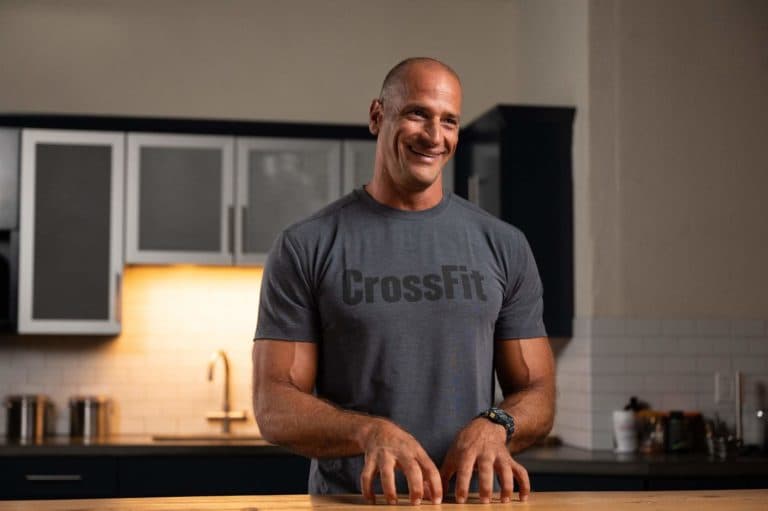
CrossFit is hitting reset on its own origin story. On May 9, the company said it would republish four foundational works over the next few weeks, “reimagined for a new audience and a new moment,” a clear signal that HQ wants the conversation to move back to what CrossFit says it has always been: a general physical preparation system, not a niche test for the already elite.
The first piece, “OK, So What Actually Is CrossFit?”, does more than reintroduce the method. It reasserts the argument that made the brand distinct in the first place: the same movement patterns can serve an Olympic athlete and a 70-year-old, with only the scale changed through load, intensity and complexity. That is a sharp contrast with how CrossFit is often perceived outside the box, and the republish reads like a direct correction to the idea that the sport’s top level defines the entire brand.
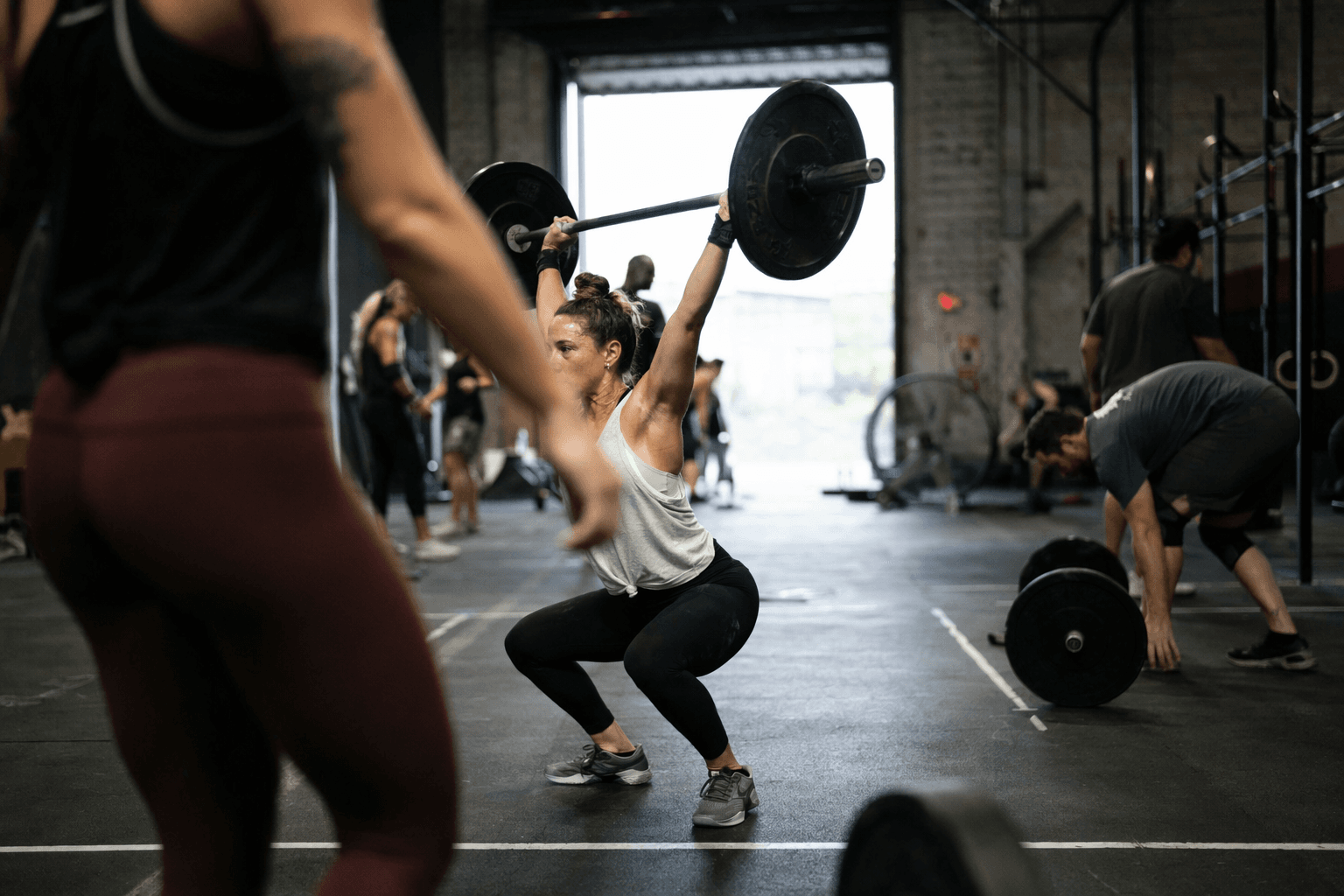
The framing also leans hard on the original definition Greg Glassman set out in “Foundations” on April 1, 2002. That article defined CrossFit as a core strength-and-conditioning program built to elicit as broad an adaptational response as possible, optimizing physical competence across 10 recognized fitness domains: cardiovascular and respiratory endurance, stamina, strength, flexibility, power, speed, coordination, agility, balance and accuracy. By bringing that language back now, CrossFit is emphasizing breadth and scalability while downplaying any suggestion that the methodology is just about competition, hero workouts or a single style of fitness.
That matters for business as much as branding. CrossFit’s own public materials say it has more than 10,000 affiliated gyms across 150 countries, and the republish works as affiliate education as much as public relations. Coaches and gym owners are being handed the same old message in a new package: the base of the pyramid is nutrition, then broad conditioning, then functional movement across a wide range of tasks. The company’s media library, which says CrossFit has shared daily workouts and content since 2001, underscores how long this messaging campaign has been running.
The timing gives the piece real edge. The 2024 CrossFit Games ran August 9-11 in Fort Worth, Texas, but the event was overshadowed by the death of Lazar Đukić during the first day and the intense scrutiny that followed over safety and oversight. Against that backdrop, a return to fundamentals feels less like nostalgia than reputational repair. Research cited around CrossFit’s scaling claim points in the same direction: a 2025 randomized controlled trial found a CrossFit-adapted program improved balance, functional mobility and lower-limb power in community-dwelling older adults, while another study showed two classes a week could improve physical function even in people in their eighth and ninth decades of life and in long-term residential care.
CrossFit is not just explaining itself again. It is trying to remind the market, the affiliates and the broader public that its identity still rests on a simple promise: broad fitness, scaled to the person in front of you.
This article was produced by Prism’s automated news system from verified source data, official records, and press releases, then run through automated quality and moderation checks before publishing. The system is built and supervised by the people who set the standards it runs under. Read our full AI policy.
Did this article answer your question?