Victor Hoffer turns early Games berth into San Jose advantage
Victor Hoffer’s early Games berth gives him a rare head start in San Jose, letting him train, recover, and sharpen details while rivals still chase qualification. That can matter as much as raw fitness.
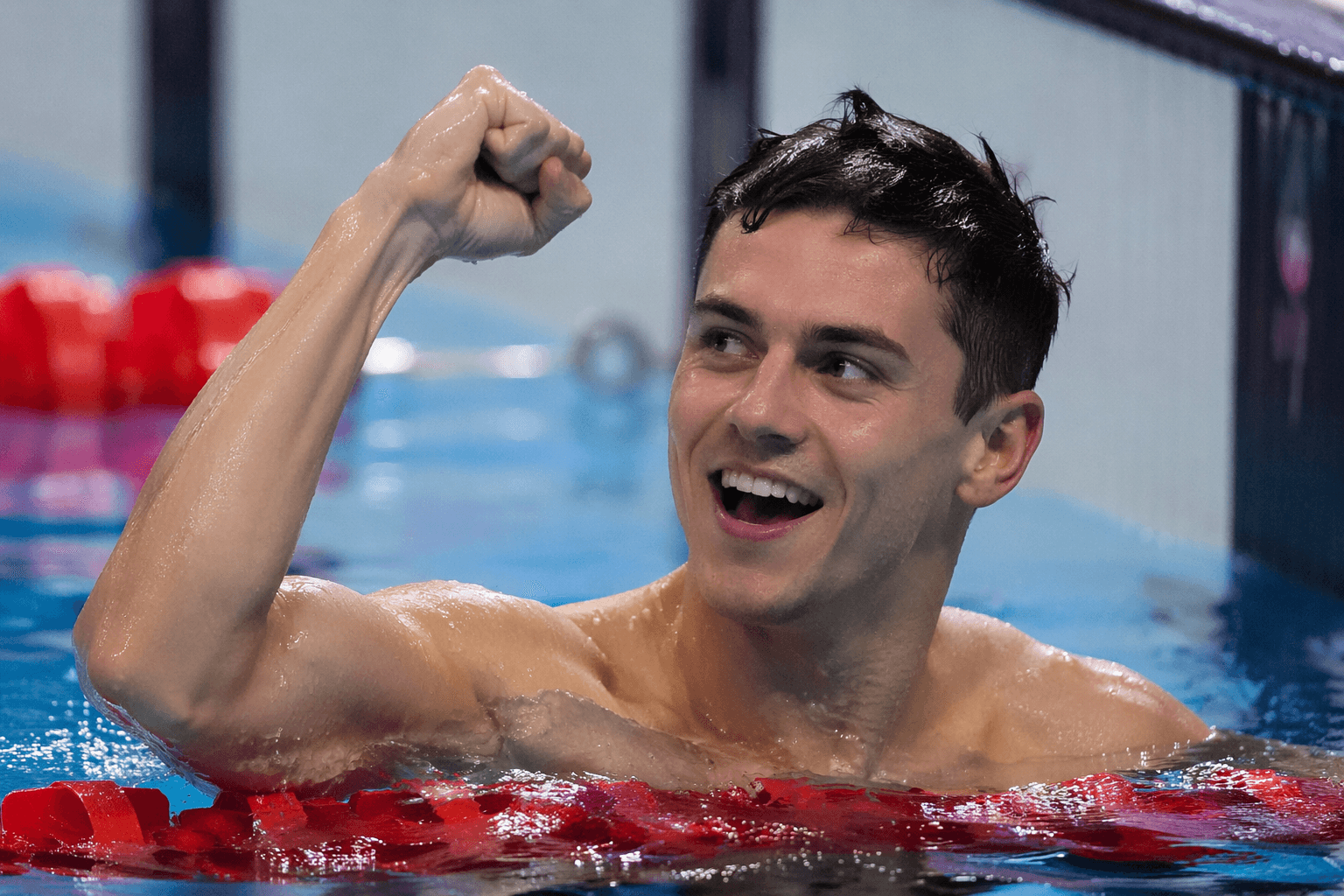
Victor Hoffer is already inside the CrossFit Games field, and that changes the whole shape of his season. After winning the 2026 Mayhem Classic, he no longer has to live on the edge of the cut line, which means his next block of work can be built around San Jose instead of around survival.
The luxury of being done early
For most of the individual field, the final stretch of the season is a pressure cooker. Athletes are still trying to qualify through the final Online Semifinal, and every training day has to balance fitness with the risk of overreaching, travel fatigue, or a last-minute mistake that costs a spot. Hoffer is in a different position now: his Games ticket is secure, so his calendar can finally tilt toward preparation instead of panic.
That matters because the final weeks before the Games are not just about getting fitter. They are about arriving healthy, rested, and mentally clear enough to absorb the workload that comes with the sport’s biggest stage. Hoffer’s early qualification gives him something many contenders do not have: time to build with intention rather than race the clock.
Why Hoffer’s profile makes the head start meaningful
This is not a case of an unexpected qualifier stumbling into a lucky break. Hoffer has already shown that he belongs in the Games conversation. CrossFit’s athlete profile lists a 38th-place finish at the 2024 CrossFit Games, a 6th-place finish at the 2024 Europe Semifinal, and a season path that has kept him near the top of the region.
His 2026 numbers reinforce that consistency. The profile shows him sitting 12th overall in the Open, 5th in Europe, and 1st in France, which is exactly the kind of résumé that suggests stability rather than a one-week flash. For a reader tracking the season closely, the important point is not just that Hoffer qualified early, but that he has backed it up with repeated evidence of high-level fitness across multiple stages.
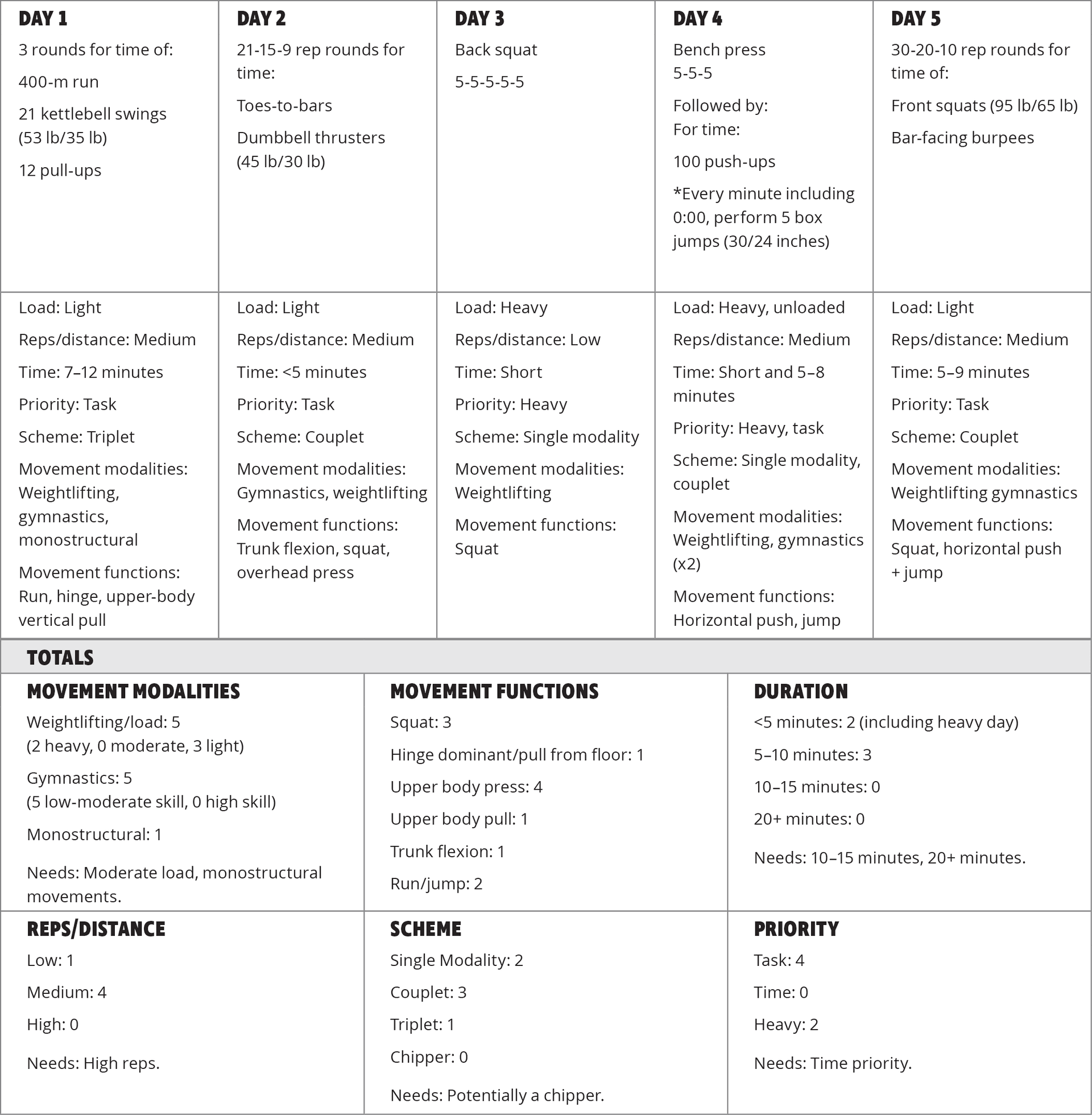
Winning the Mayhem Classic also adds context. That event was a six-event weekend, which means the winner had to manage more than one good workout. The format rewarded consistency, stamina, and the ability to stay sharp late in the weekend, and Hoffer came out on top in the men’s field in Cookeville. That is a strong signal for a season that now shifts from qualification to execution.
What extra prep time can realistically buy
The biggest advantage of qualifying early is that it frees an athlete to train for the Games like the Games are the only thing that matters. In practical terms, that can mean more targeted work on weaknesses, more recovery between hard sessions, and more time to rehearse the pace changes, transitions, and event flow that decide placings once the leaderboard starts moving.
It can also mean better management of the body. An athlete who is still chasing a spot often has to carry more fatigue, because the training stimulus cannot back off until the final qualifier is settled. Hoffer can be more selective now, which creates room for tissue care, sleep, nutrition, and the kind of controlled intensity that keeps a peak from turning into burnout.
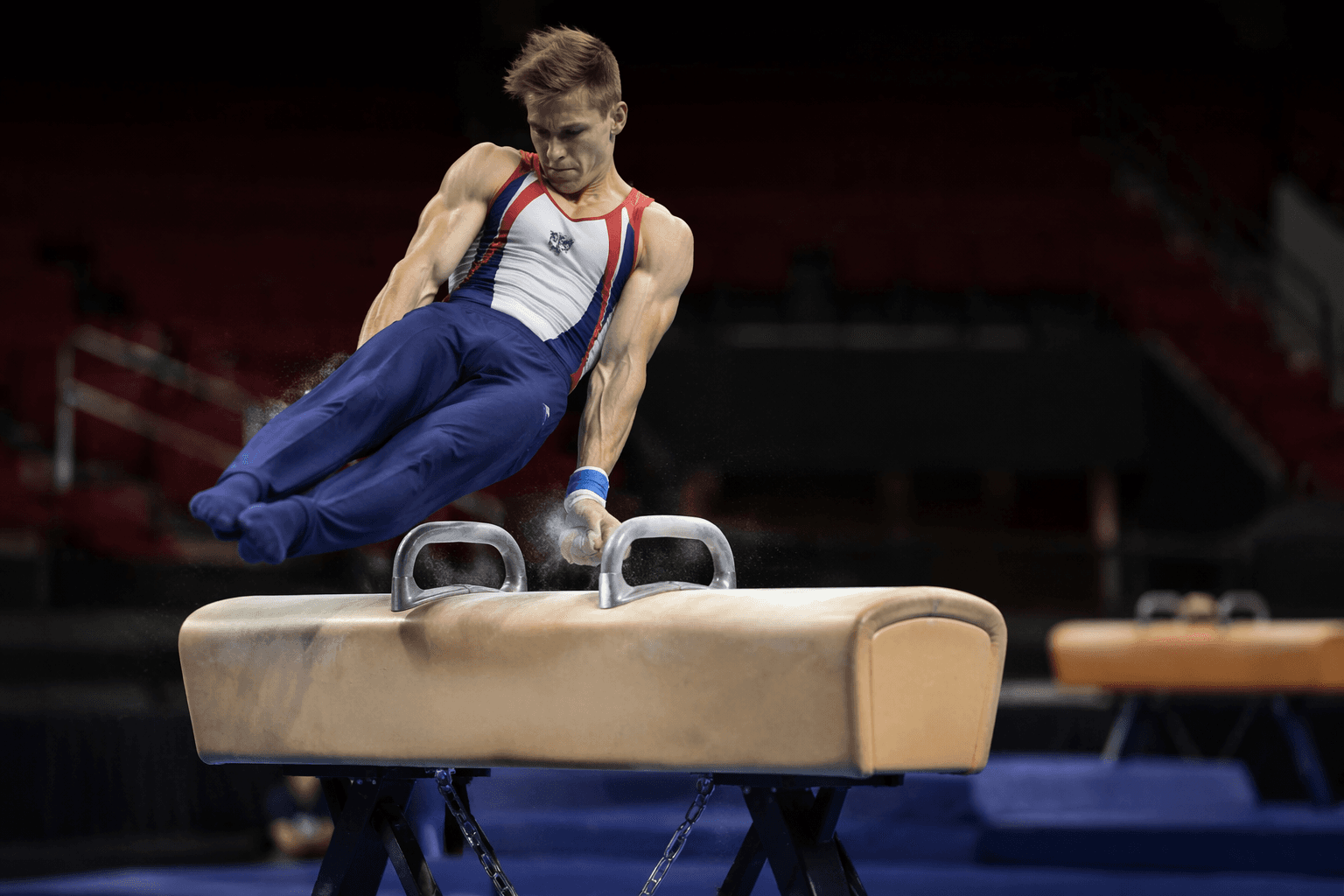
The real payoff looks something like this:
- More time to repair small aches before they become bigger problems
- More room to sharpen event-specific skills instead of just broad fitness
- More controlled pacing in training, which helps preserve speed for July
- More mental bandwidth to study how to attack the Games field, not just survive it
That extra time does not guarantee a podium. It does, however, raise the odds that Hoffer shows up with his engine intact and his decision-making sharper than athletes who have spent the spring living in qualification mode.
The mental edge of being ahead of the line
There is also a psychological difference between being qualified and still trying to qualify. Hoffer can now enter the final phase of the season with a steadier mindset, because every session is serving a known destination. That can make training less frantic and more deliberate, which is exactly what peaking early is supposed to do when it is done well.
The danger, of course, is peaking too soon or relaxing too much. But Hoffer’s position suggests the opposite risk is more relevant: not whether he can get fit enough, but whether he can stay fresh enough to convert early momentum into Games performance. In a sport where so many athletes spend the last weeks fighting uncertainty, that is a meaningful edge.
San Jose is the target, but the advantage is built now
Hoffer’s early berth is more than a line on a leaderboard. It is a scheduling advantage, a recovery advantage, and a confidence advantage rolled into one. His 2024 Games finish, his top-tier 2026 regional standing, and his Mayhem Classic win all point to the same conclusion: he is no longer trying to prove he belongs, he is trying to make the most of the rarest commodity in CrossFit, time.
If he uses it well, San Jose will not just be the place where his season ends. It will be the place where an early qualification finally pays off.
This article was produced by Prism’s automated news system from verified source data, official records, and press releases, then run through automated quality and moderation checks before publishing. The system is built and supervised by the people who set the standards it runs under. Read our full AI policy.
Know something we missed? Have a correction or additional information?
Submit a Tip