ADF dominates largest Military International Drone Racing Tournament in Sydney
ADF’s sixth straight MIDRT title came in Sydney, where a 76-pilot field and a first tactical-training segment showed how far military FPV racing had evolved.
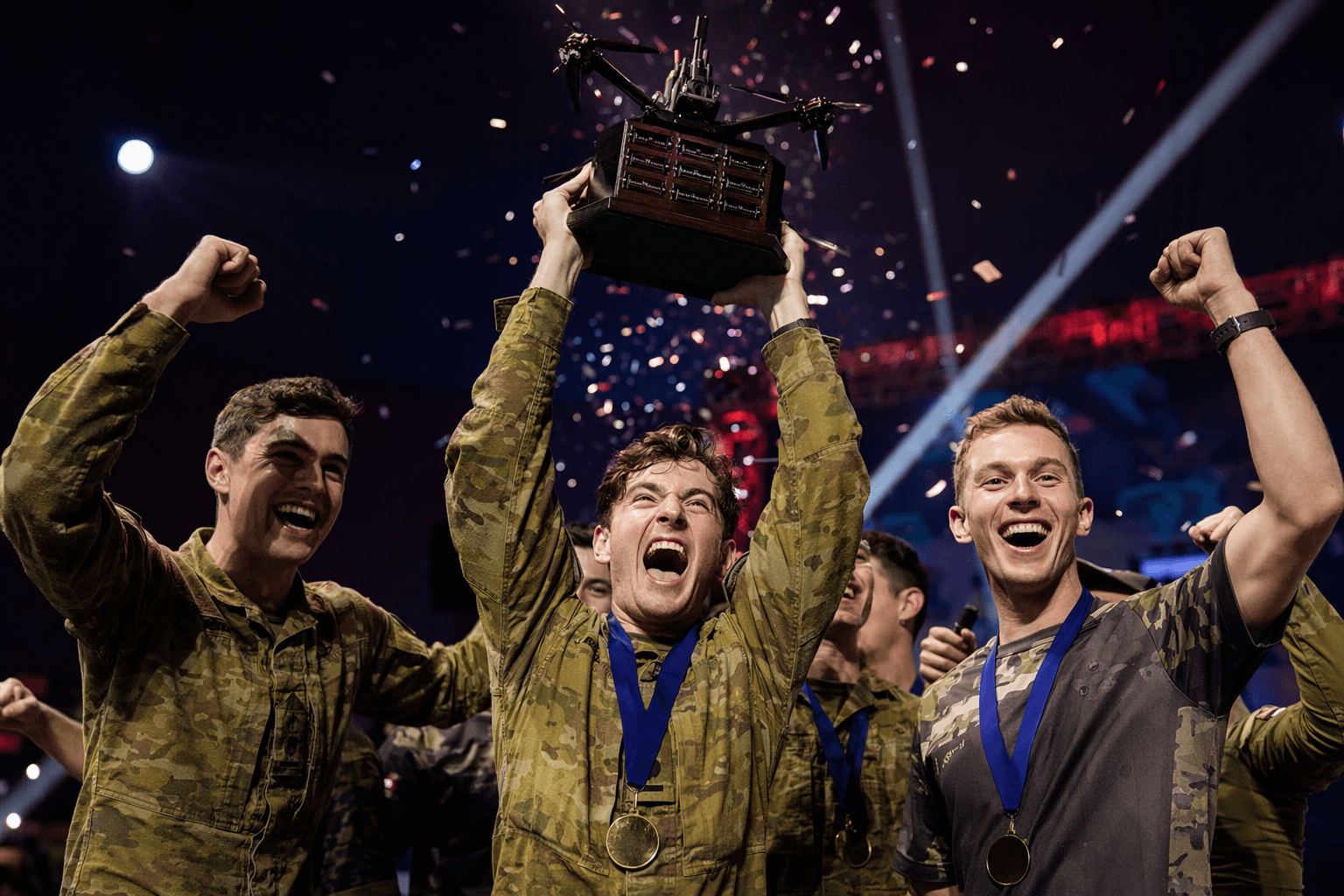
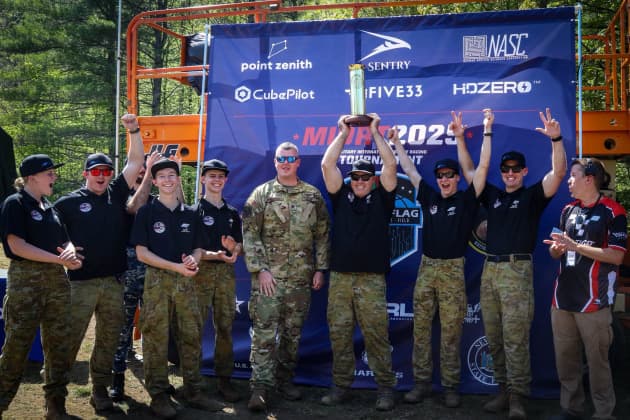
The Australian Defence Force did not just defend home turf at Randwick Barracks, it overwhelmed the largest Military International Drone Racing Tournament yet and left with a sixth consecutive championship title. The three-day event ran from 12 to 14 March 2026 in Sydney as part of the Australian Army’s 125th birthday celebrations, and the home team turned the pressure of expectation into another clean finish.
The numbers tell the story of how much the tournament has grown. Official competition materials listed 76 pilots across 18 teams, while other coverage put the field at more than 80 pilots from more than 10 nations. However it was counted, the gathering was deeper and broader than a standard military showcase. The Australian Defence Force team still came out on top, extending its hold on a competition that has become a proving ground for military FPV racing at the highest level.
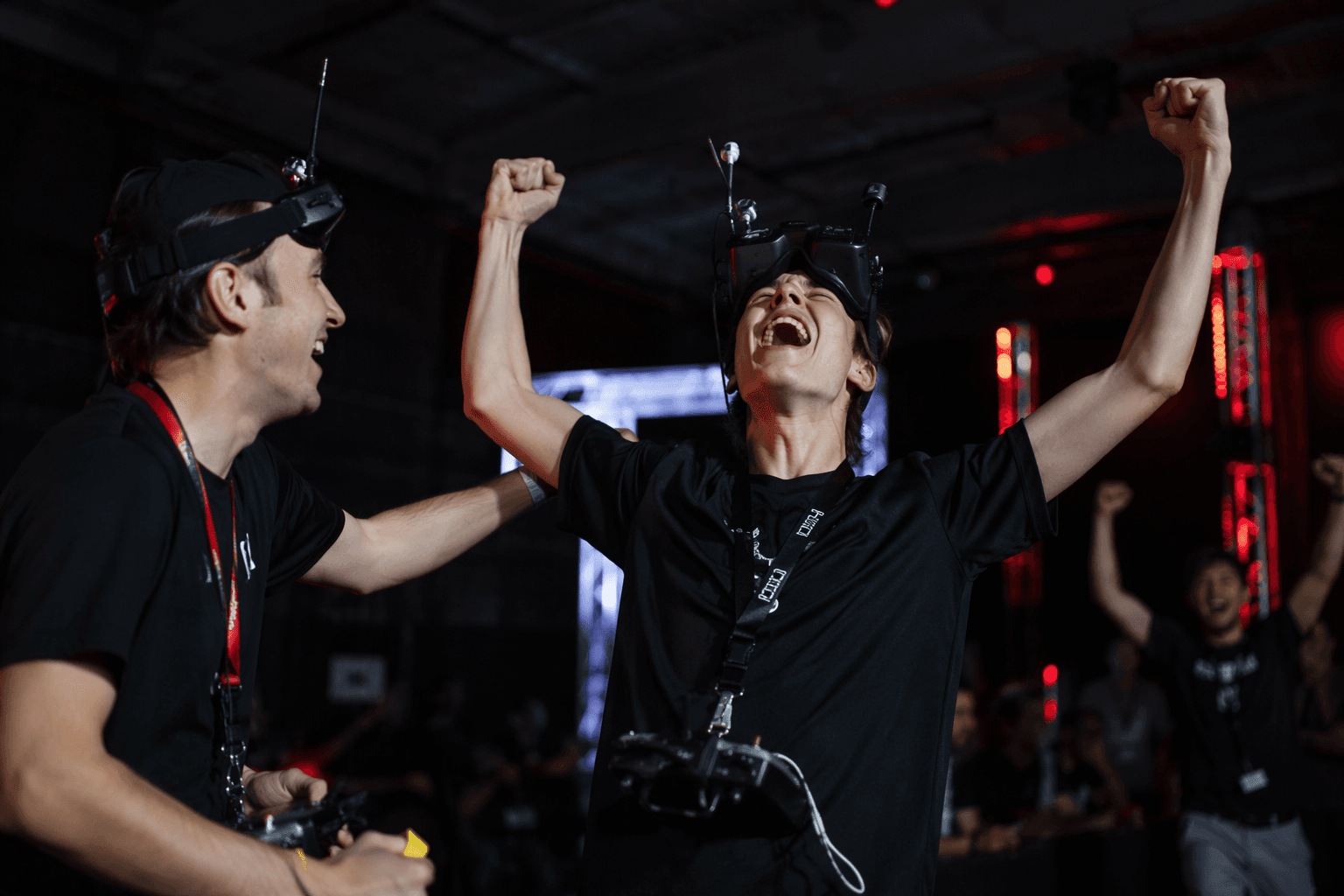
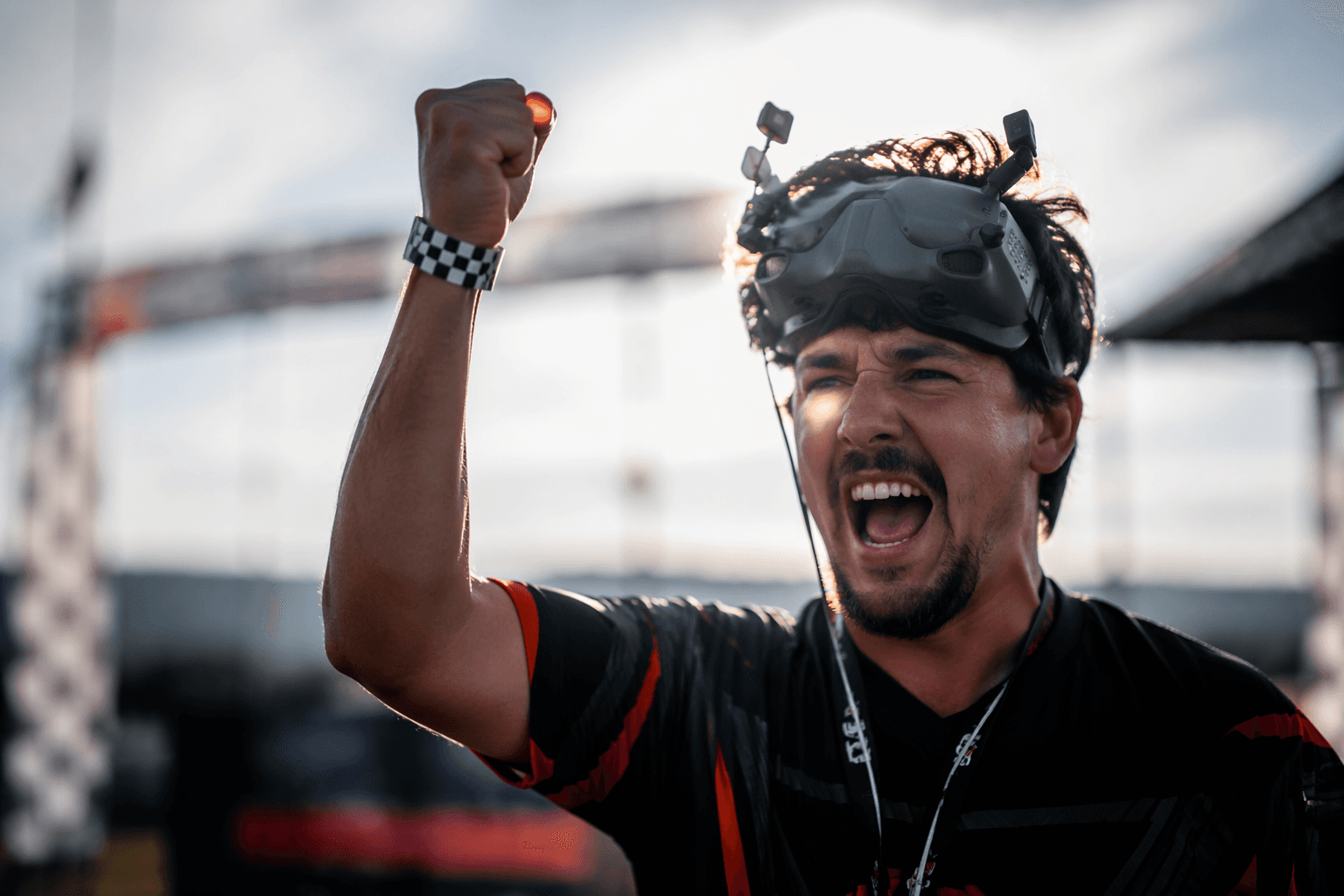
That matters because MIDRT is no longer just about speed through a gate-filled course. Organizers describe it as a world-class event built around speed, skill and precision, and 2026 added a new layer. For the first time in Australia, the tournament paired racing with deliberate tactical training, shifting competitors to a separate site near RAAF Richmond for exercises built around precision strike-style tasks and aerial interception drills. That crossover is the real edge here: a pilot who can stay composed in a timed race, then repeat that control in a tactical lane, is showing more than reflexes. The ADF’s home-soil dominance suggested a training pipeline that has turned simulator reps, course discipline and split-second decision-making into a repeatable advantage.

The event also reinforced why allied forces keep showing up. The Canadian Army highlighted the value of teamwork and interoperability, while the Philippine Army brought a five-member team made up of one officer, two enlisted personnel and two reservists for racing, bomb-drop and air-to-air events. The field was not just competitive, it was international in a way that pushed the standard higher.
Keirin Joyce and Cpl Brendan Jatsura were among the names tied to the ADF effort, and their team handled a bigger, more technical tournament without blinking. That is what separates a good military drone squad from a championship one. On a course like this, the best pilots do not merely fly fast. They stay disciplined when the margins shrink, and right now the ADF is setting the benchmark for everyone else.
This article was produced by Prism’s automated news system from verified source data, official records, and press releases, then run through automated quality and moderation checks before publishing. The system is built and supervised by the people who set the standards it runs under. Read our full AI policy.
Did this article answer your question?