Antigravity guide frames FPV racing as skill-driven robotic motorsport
Antigravity recasts FPV as a robotic sport where latency, tuning, and battery discipline decide the race, not just raw speed.
FPV belongs with motorsport, not gadget culture
Antigravity’s guide draws a clean line through a sport that too often gets reduced to flashy footage. FPV racing, it argues, belongs in the same competitive conversation as Formula 1 because the real contest is not just speed in the abstract, but speed under pressure: rapid decisions, reflexes, and the ability to keep a machine cleanly on line while it is flying inches from disaster.
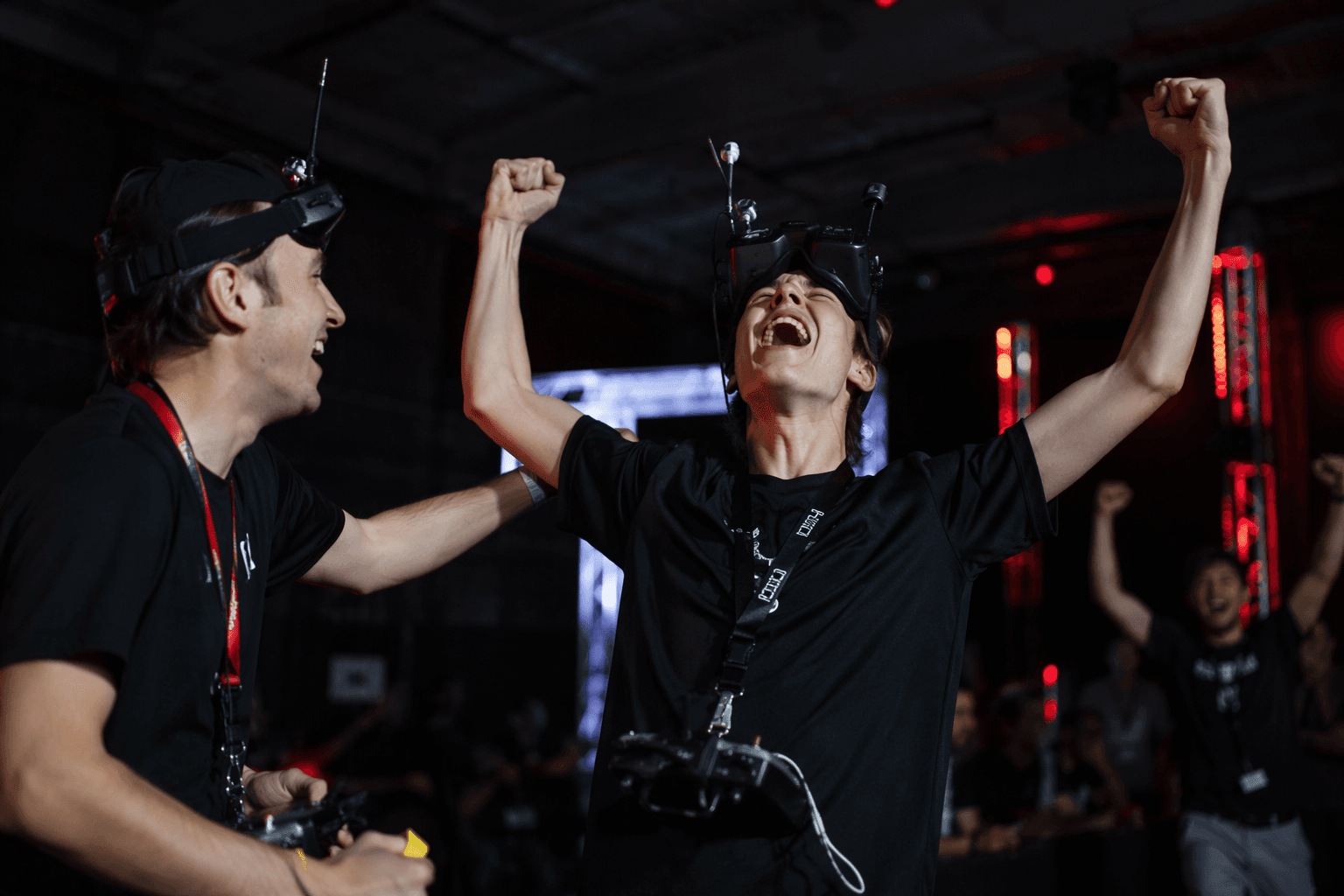
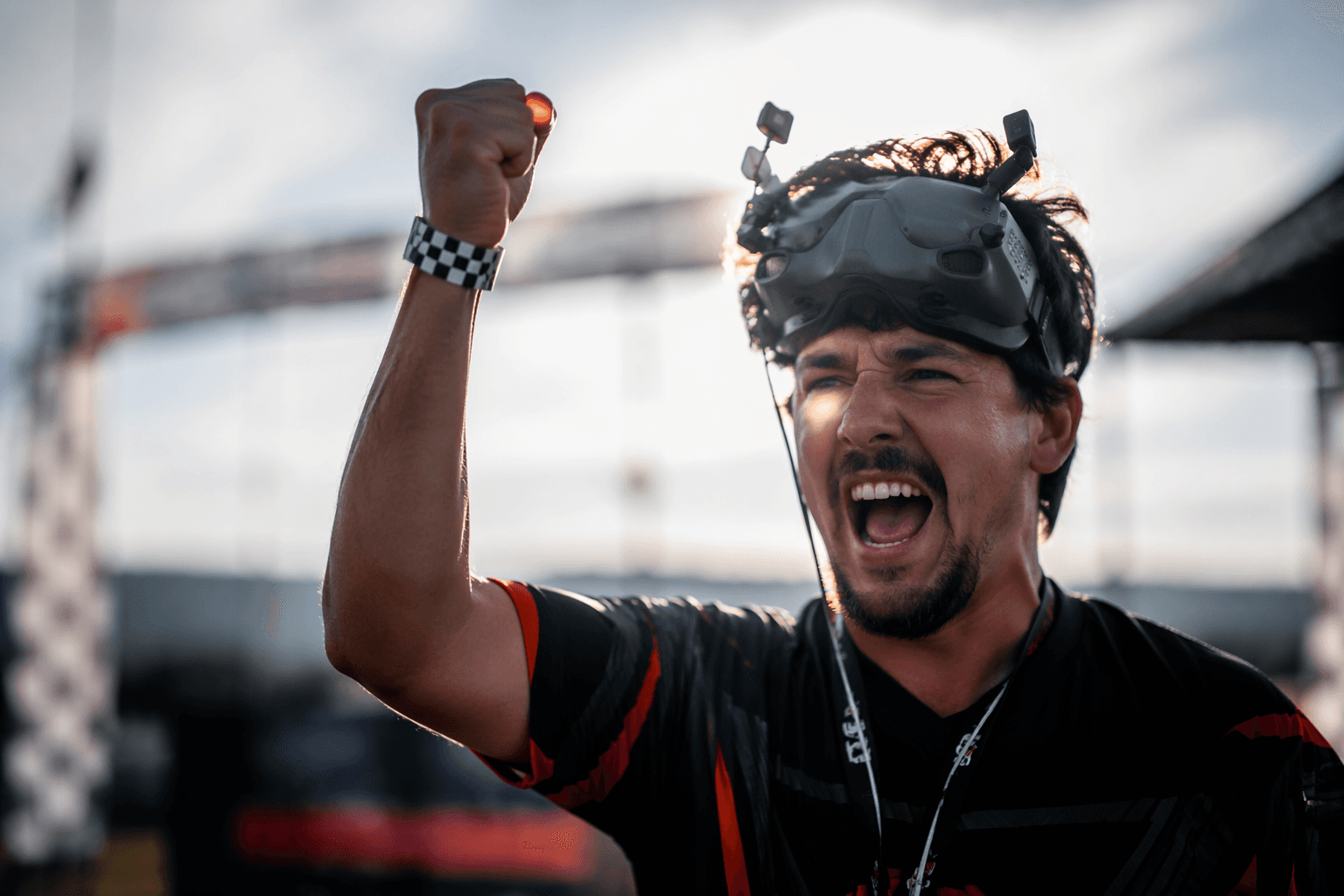
That framing matters because FPV racing is not a solo joyride. Racers fly custom-built drones through a defined course while wearing goggles that show a live feed from a camera mounted on the front of the drone. In practice, that turns remote control into a race of judgment as much as throttle. Heats often put multiple pilots on the course at once, so every lap is also a collision-avoidance exercise, with clean air, timing, and line discipline deciding who survives the traffic and who clips a gate.
The machine is only as good as the system behind it
The quickest way to understand FPV racing is to stop thinking about a drone as a toy and start thinking about it as a compact race car with wings. Antigravity breaks the airframe into the parts that actually win or lose time: the carbon-fiber frame, the motors and propellers, the flight controller, and the ESCs. Each one does a different job, but none of them works in isolation.
The carbon-fiber frame is the skeleton, and in racing it is often built in an X configuration for balanced handling and sharp cornering. Motors and propellers generate the thrust that makes the drone accelerate hard out of turns. The flight controller and ESCs act as the brain and muscles, translating stick inputs into fast, precise motor adjustments. That is why FPV speed is never just raw power. It is the efficiency of the whole package, from the frame geometry to how well the control electronics respond when a pilot snaps the drone through a gate.
Latency is the hidden split-second that decides a lap
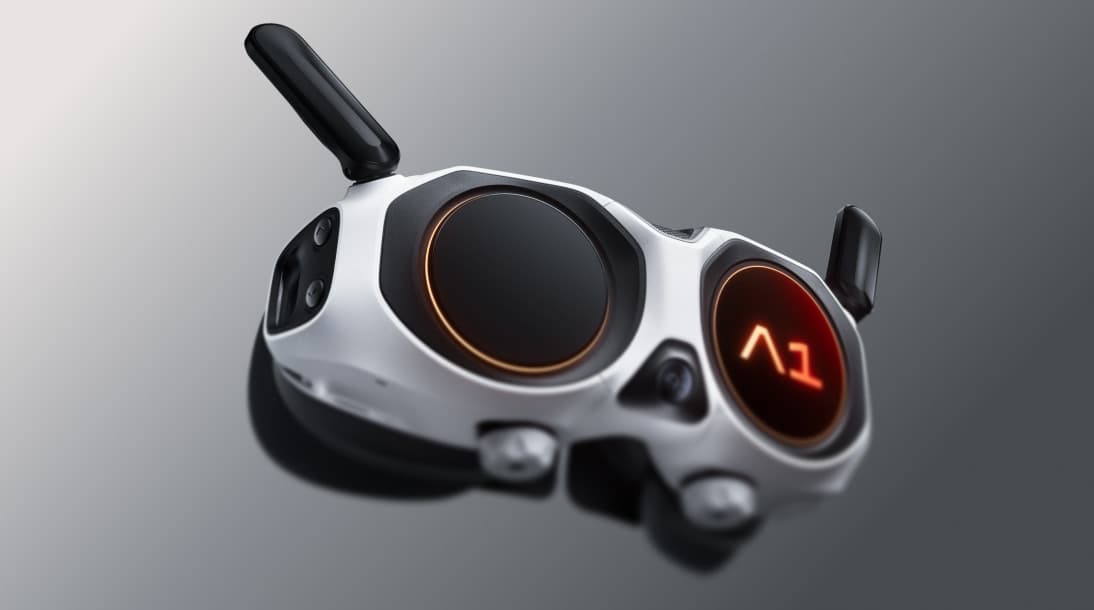
What separates FPV from casual drone flying is not only the hardware, but the time between the pilot’s hands and the aircraft’s response. The goggles deliver a live, low-latency feed, and that low delay is essential because racing is built around instant corrections. If the image lags, the pilot is reacting to where the drone was, not where it is.
That makes control latency one of the sport’s most race-critical systems. A tiny delay can turn a clean dive into a wall strike, or a safe corner into a missed line. In that sense, FPV resembles esports as much as motorsport: the outcome depends on how quickly a competitor reads information, processes it, and executes the next move, only here the consequence is physical and immediate.
Tuning is where the race is really won
A fast FPV drone is not simply assembled, it is tuned. The guide’s engineering logic makes clear that the race is shaped by how the frame, motors, props, flight controller, and ESCs work together under stress. The difference between a stable racer and a twitchy one is often in the setup, not the spec sheet.
That is why FPV racing rewards pilots who understand their machines well enough to adjust them before the gate drops. A clean tune can make a drone feel locked in through turns, while a poor setup can waste speed in every transition. In a sport where races are decided by fractions of a second, tuning is not background maintenance; it is part of the competitive craft.
Battery management is race strategy, not afterthought
FPV also forces pilots to think about battery life as a strategic constraint. Every burst of acceleration, every recovery from a wobble, and every aggressive line choice pulls from the same limited source of power. That means the smartest racers are managing output while they are still trying to attack the course.
The guide’s broader point is that race-day performance comes from disciplined coordination between pilot and machine. The drone must have enough power to stay sharp through the full heat, but the pilot also has to use that power in the right moments. That blend of reserve and aggression is one reason FPV racing feels closer to endurance strategy than a simple speed contest.
Training starts in the simulator
Antigravity treats simulators as a non-negotiable first step for beginners, and the reasoning is straightforward: FPV punishes mistakes fast. Its guide calls the simulator a “hyper-realistic physics environment,” one that lets pilots crash repeatedly and build muscle memory before they ever fly a real quad.
That matters because FPV is a hands-on sport, but it is also a learning curve with expensive consequences. In a simulator, a pilot can rehearse corner entries, recoveries, and gate approaches without destroying hardware. The point is not to avoid failure altogether, but to compress the cost of learning until instinct is reliable enough to hold up in a live heat.
The sport has already become international
The scale behind FPV racing is bigger than its niche reputation suggests. The Fédération Aéronautique Internationale’s Drone Racing World Cup began in 2016 with 229 competitors from 17 countries. It jumped to 434 competitors from 37 countries in 2017, then to 669 competitors from 41 countries in 2018. That kind of growth shows a field moving from hobby culture into organized global competition.
The FAI also chose Shenzhen, China, to host the first FAI World Drone Racing Championships in November 2018, another sign that the sport had outgrown its experimental roots. Names like Vincent Delcommene, winner of the 2016 World Cup, sit in that early competitive history as the race began to build its own lineage, event by event.
The rules and the leagues now shape the pathway
FPV racing may look free-form from the outside, but it now operates inside a regulatory and league structure. In the United States, the Federal Aviation Administration says most non-recreational drone operations fall under Part 107, a reminder that racing is not exempt from airspace and safety rules. Organizers and pilots have to build events with that framework in mind.
At the same time, MultiGP describes itself as the world’s largest drone racing league and FPV community, with hundreds of chapters worldwide. That kind of club-and-league network is what turns a technical niche into a durable sport: local tracks feed regional competition, regional competition feeds national events, and the best pilots can climb into a global field that now looks a lot more like a serious motorsport circuit than a novelty demo.
FPV racing now stands on the same competitive logic that drives every elite sport: the best machine matters, but only when it is guided by a pilot who can process pressure faster than the person next to them. The hardware is real, the regulation is real, the training is real, and the margins are measured in the space between one correction and the next.
This article was produced by Prism’s automated news system from verified source data, official records, and press releases, then run through automated quality and moderation checks before publishing. The system is built and supervised by the people who set the standards it runs under. Read our full AI policy.
Did this article answer your question?