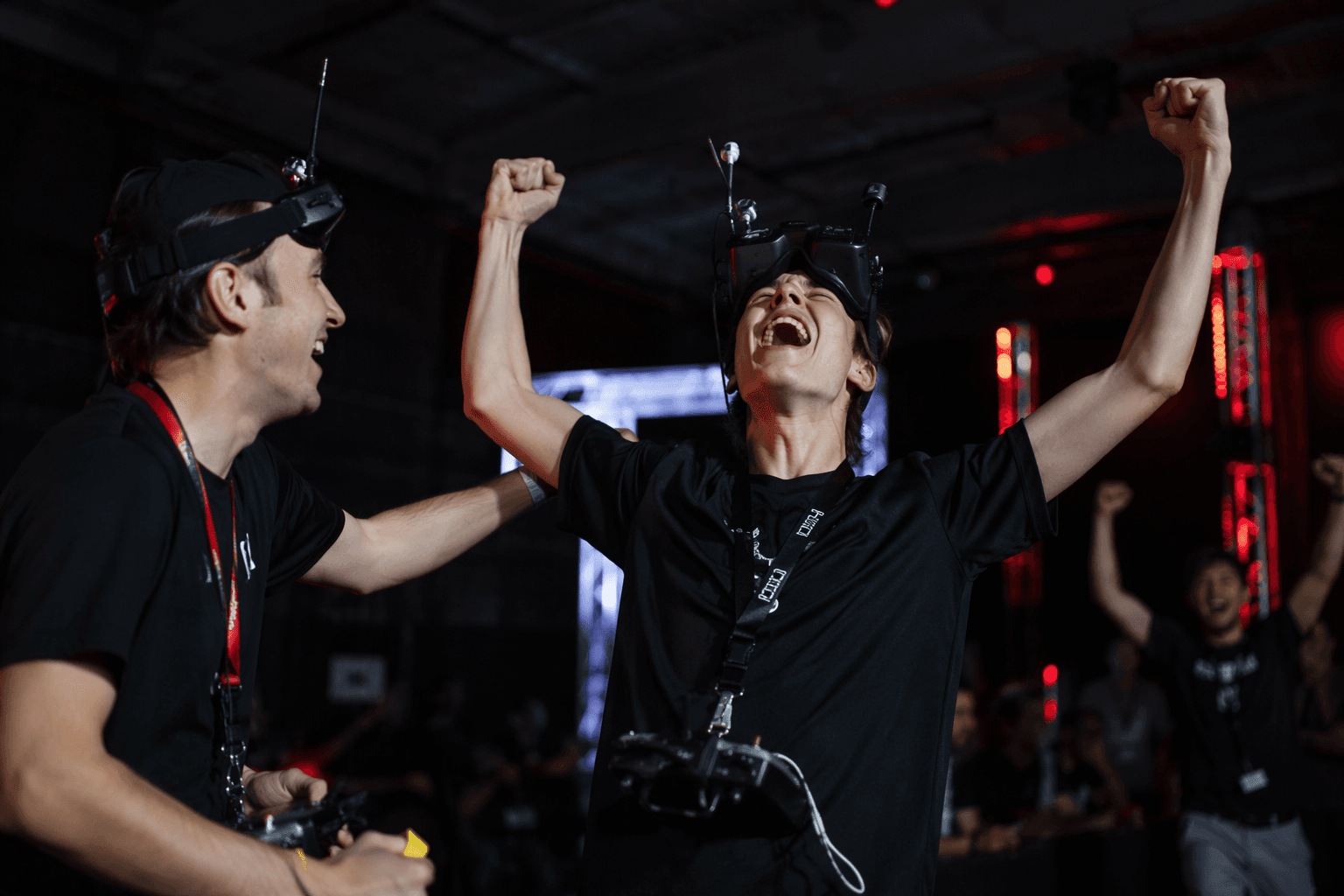
Cheap Drones Keep Outpacing Costly Air Defenses, March 2026 Report Finds
Drones worth tens of thousands defeated million-dollar interceptors in March; the RF and autonomy lessons are already in your race kit.
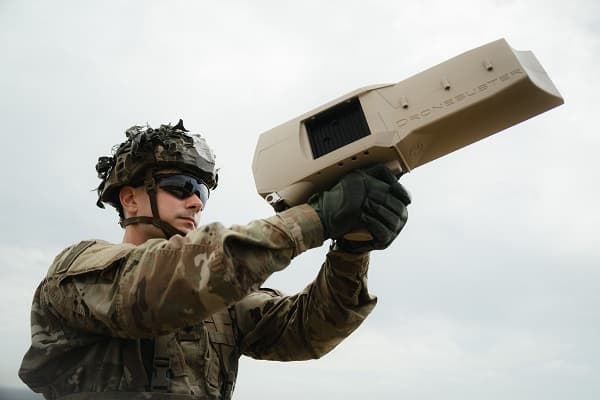
A Shahed-type drone runs in the low tens of thousands of dollars. The interceptors launched to stop it cost orders of magnitude more. That arithmetic, documented across multiple conflict theaters in the SOF News Monthly Drone Report released March 31, is the same logic that has quietly shaped every budget decision in competitive FPV racing, and the March report makes the connection harder to ignore.
The report's central finding: low-cost unmanned aerial systems continue to impose disproportionate operational and economic costs on defenders, while counter-UAS measures improve but face persistent scaling and affordability problems. Even with Patriot, THAAD, NASAMS, and ship-based Aegis systems in the inventory, interception rates against Shahed-type threats exceeded 80 to 90 percent only when sensor coverage was continuous and interceptors were on station, a condition that is expensive to sustain at scale. That gap between cheap attacker and costly defender is where the technology overlap with FPV racing becomes concrete and practical.
Electronic warfare is one of the primary tools defenders are scaling to close that gap, and it is also the most direct analog to a contested race-day RF environment. A stadium venue with 2.4 GHz bleed from spectator phones, timing loop emissions, video downlinks, and a dozen pilots all sharing spectrum is a low-intensity version of the same problem. The RF resilience that makes a racing link competitive in that noise floor, including frequency hopping, adaptive power control, and low-latency retransmission, is the same capability mix that determined whether tactical UAS completed missions or got spoofed during the operations the report catalogued.
The report's documentation of fiber-optic control research and hardened autonomy stacks signals where investment is moving at the high end. For race-day hardware choices, the practical read is similar: a link like ExpressLRS running on 915 MHz offers the frequency agility and link budget that holds up in congested RF environments. Systems that rely on fixed-frequency 5.8 GHz video without receiver diversity or fallback logic are the civilian equivalent of a drone trying to penetrate layered EW coverage with no countermeasures. The report's emphasis on distributed early-warning sensor networks also maps onto the redundant telemetry architectures that serious race teams increasingly run alongside their primary video feeds.
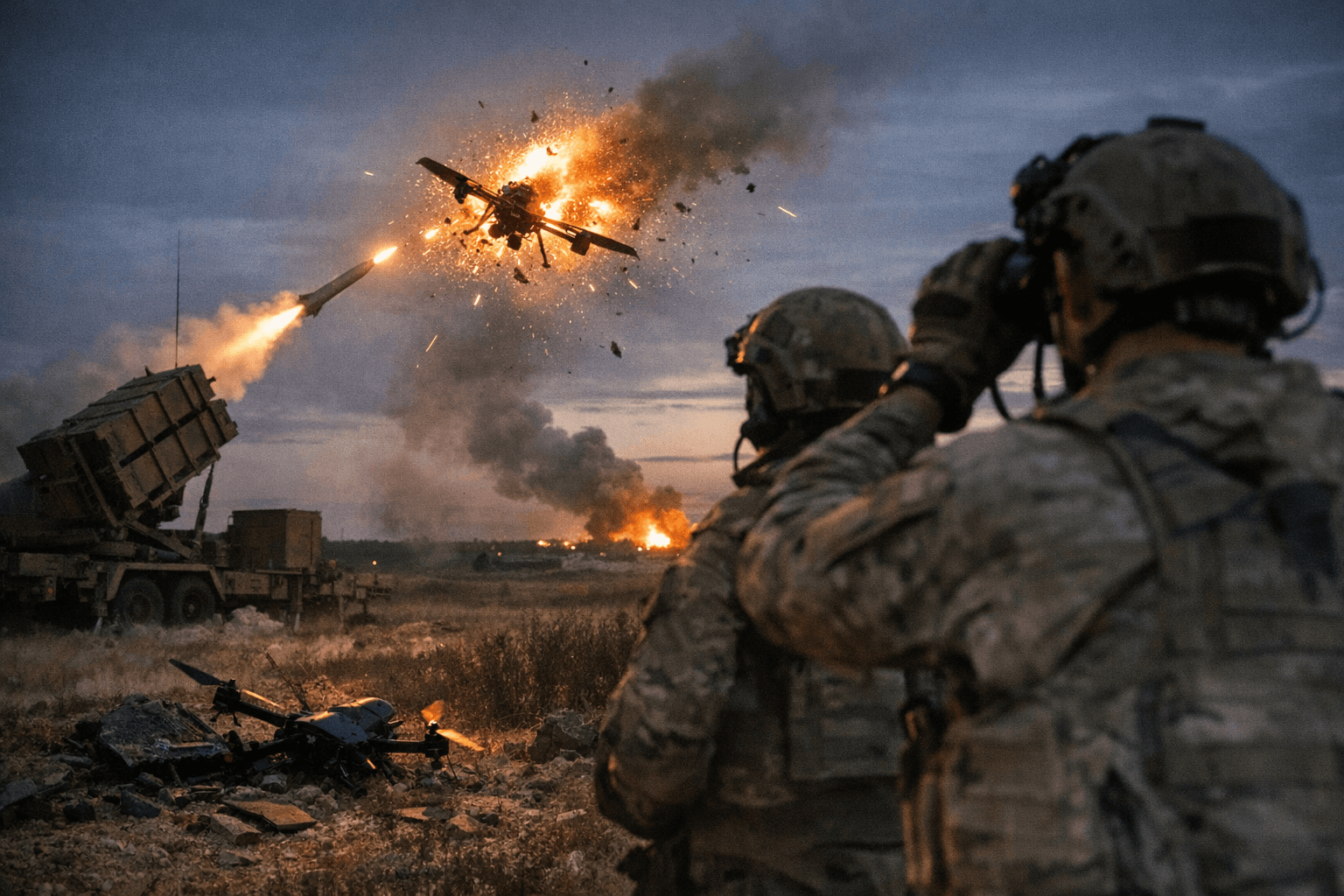
The report also pulled together operational material from Operation Epic Fury in the Iran theater, Switchblade loitering munition deployments, naval drone operations in Ukraine, and Exercise Hedgehog 2025, a counter-UAS exercise that specifically tested layered sensor and intercept integration. What those episodes share is a pattern: low-cost, quickly-repairable airframes absorbing attrition while autonomous guidance handles navigation. In racing terms, that is a five-inch build with swappable arms, Betaflight blackbox logging, and a pilot who can turn around a crashed quad in three minutes because the frame cost sixty dollars and the props are in every pit bag.
The regulatory consequence from the report may land before the hardware one does. Coverage of CBP drone shootdowns and intensifying government scrutiny of small UAS provenance suggests that race directors running outdoor public events should prepare for closer inspection of component origins and firmware chains. The same supply-chain pressure pushing defense procurement away from certain component vendors is beginning to surface in league conversations about approved-hardware lists.
On the battlefield in March 2026, cheap and resilient won again. The race pit figured that out years ago.
This article was produced by Prism’s automated news system from verified source data, official records, and press releases, then run through automated quality and moderation checks before publishing. The system is built and supervised by the people who set the standards it runs under. Read our full AI policy.
Did this article answer your question?