Chuckey-Doak High School Claims RDL National Drone Racing Championship in Tennessee
A six-student Chuckey-Doak team claimed the first national title in program history at the biggest RDL Nationals ever, topping 37 squads including teams from Germany.
NASA is trying to put astronauts back on the moon. A six-student team from Afton, Tennessee just used that mission as a scoreboard.
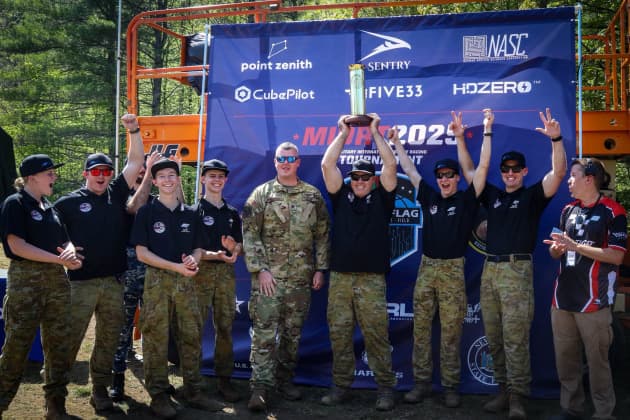
Chuckey-Doak High School's Robot Drone League team won the 2025-26 RDL National Championship at East Tennessee State University's Ballad Health Athletic Complex in Johnson City on March 28, claiming the program's first-ever national title against 37 teams drawn from at least seven states and international competition from Germany. It was, by the league's own accounting, the largest RDL Nationals in the event's history.
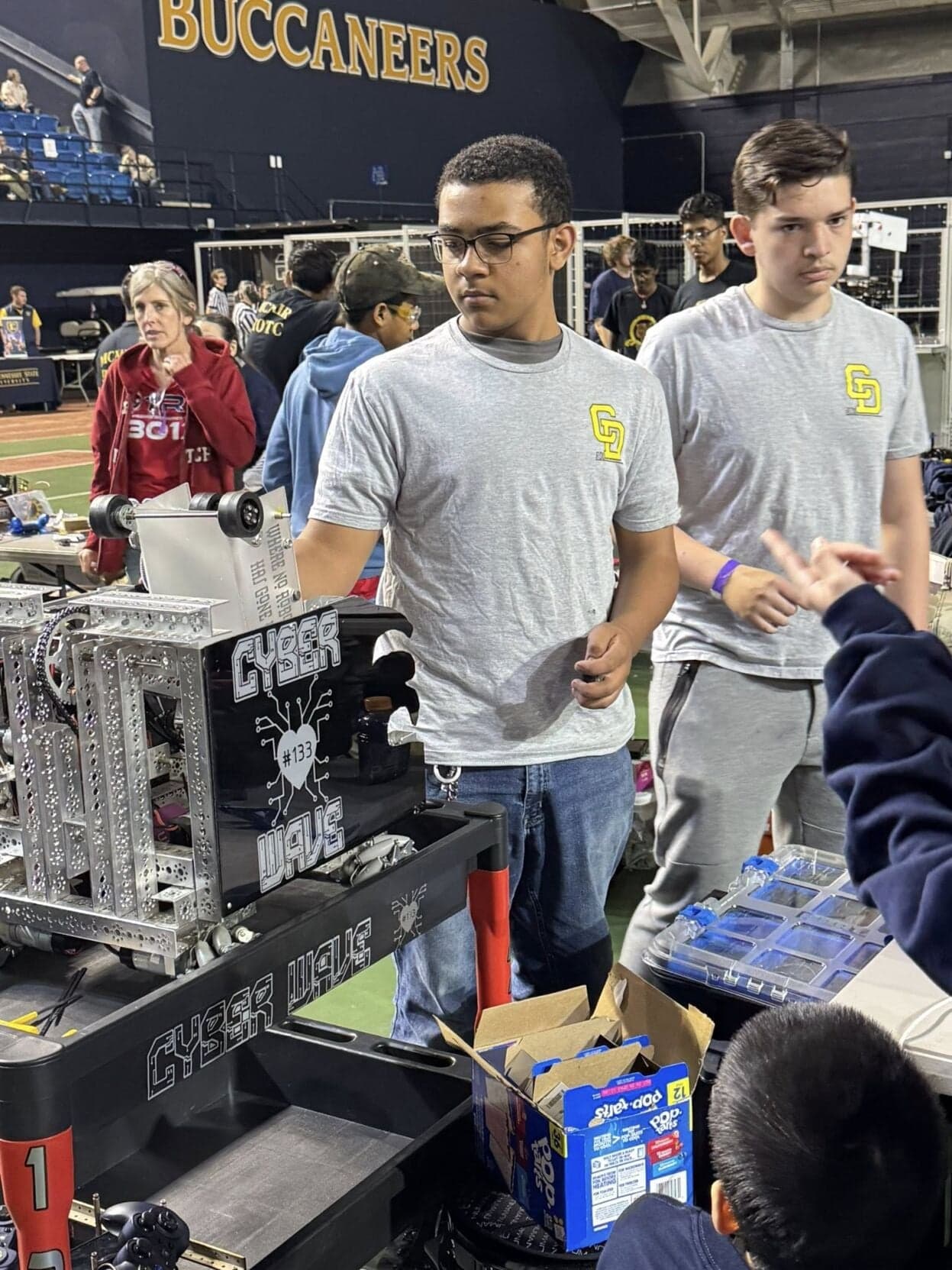
The competition this season ran under the MOONBASE: Artemis Mission Challenge framework, built around NASA's active push to establish a permanent lunar base through the Artemis program. Teams didn't just race drones around a course; they simulated the engineering decisions that would sustain a crewed outpost on the moon, executing tasks in robotics, drone piloting, autonomous programming, and systems integration across a staged lunar environment. Matches placed four teams onto mirrored field layouts in alliance pairings, where strategic coordination carried as much weight as raw flight skill. Engineering reliability and mission-completion rate drove the final standings, not lap times.
"We finished the competition with excellent results," said Matt Dalton, the team's sponsor and coach. "My team, made up of six Chuckey-Doak students, worked extremely hard to beat teams from seven other states and even a few teams from Germany."
The championship is the direct product of what multi-discipline drone competition demands at the national level. To score in the MOONBASE format, a team has to show up with three separate competencies integrated into one coherent system: a mechanical build that survives repeated trial runs, flight-control code that executes autonomous tasks without human correction, and a mission strategy that sequences objectives efficiently under pressure. Those aren't independent skills. Winning programs develop all three in parallel, which is why the roster at the top of an RDL national typically looks less like a hobbyist club and more like a small engineering firm that happens to be staffed by high schoolers.
Tevin Ringgold and Gage Pomroff were among those representing Chuckey-Doak on the floor in Johnson City. The full six-member team competed across qualification rounds Friday evening and the championship bracket Saturday.
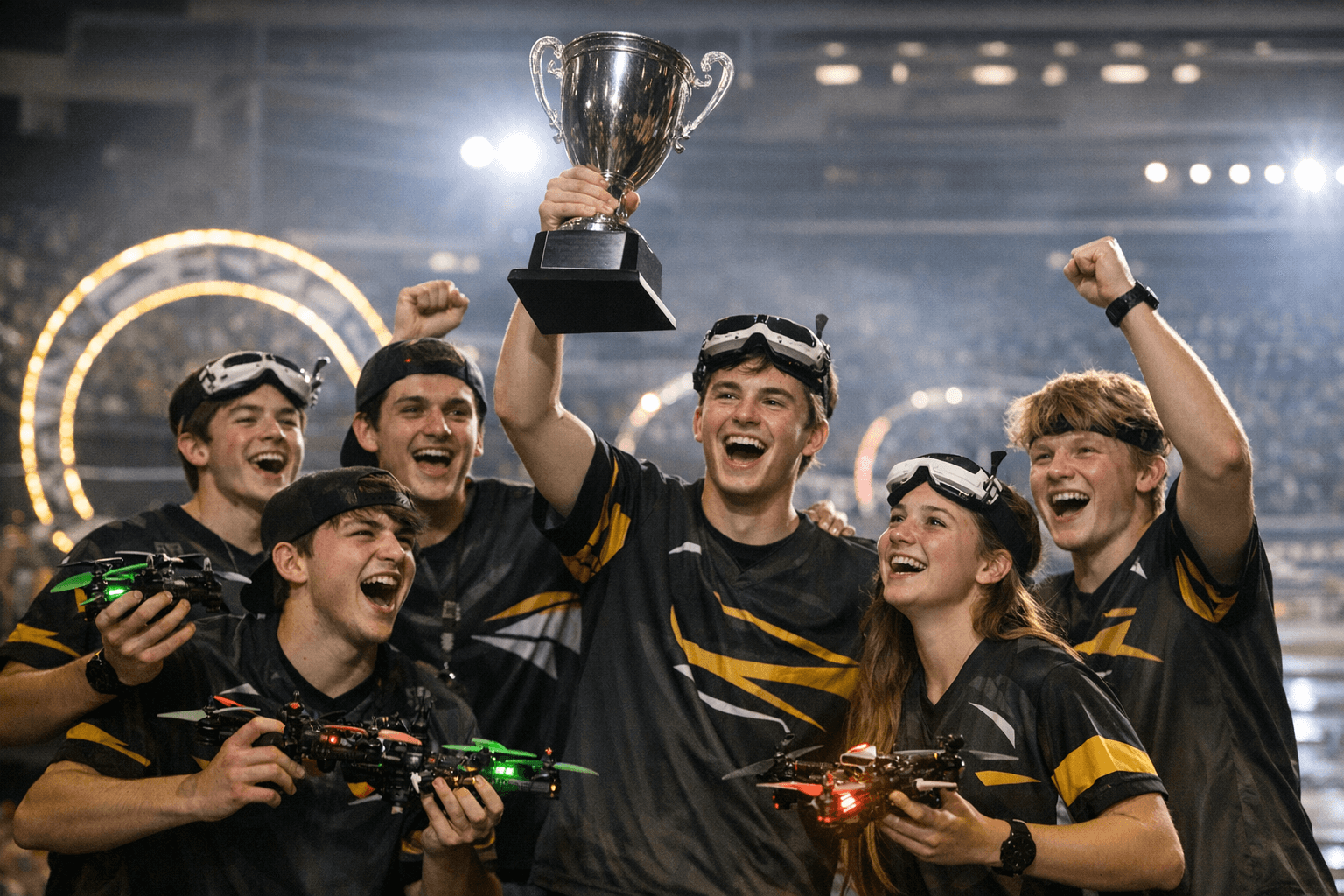
"This is our team's first ever RDL National Championship win," Dalton said. "With 37 teams represented from at least seven different states, it was the biggest RDL competition ever. We are very excited to have taken home the win."
The event drew institutional backing from Ballad Health, the U.S. Army JROTC, the Tennessee Valley Authority, the ETSU Research Corporation, and Blackburn Childers and Steagall. That sponsorship infrastructure matters beyond the trophy: it signals to schools building drone and robotics programs that industry and military partners see competitive STEM pipelines as a recruiting and workforce investment worth underwriting.
Dennis Courtney, CEO of STREAMWORKS and the founder of the Robot Drone League, framed the outcome in workforce terms. "This event represents the very best of what STEM education can offer," Courtney said. "Our students are not just competing, they are building the skills, confidence, and vision needed to lead the workforce of tomorrow."
For the FPV and unmanned systems community, the Chuckey-Doak result is a useful benchmark. The RDL format forces competitors to master the same core disciplines that define competitive drone racing at the club and professional level: consistent hardware prep, programmable flight behavior, and in-the-moment strategic adjustment. A school program that can coordinate all three well enough to win 37-team nationals is producing pilots and engineers, not just hobbyists. Chuckey-Doak just proved that pipeline runs through Greene County.
This article was produced by Prism’s automated news system from verified source data, official records, and press releases, then run through automated quality and moderation checks before publishing. The system is built and supervised by the people who set the standards it runs under. Read our full AI policy.
Did this article answer your question?