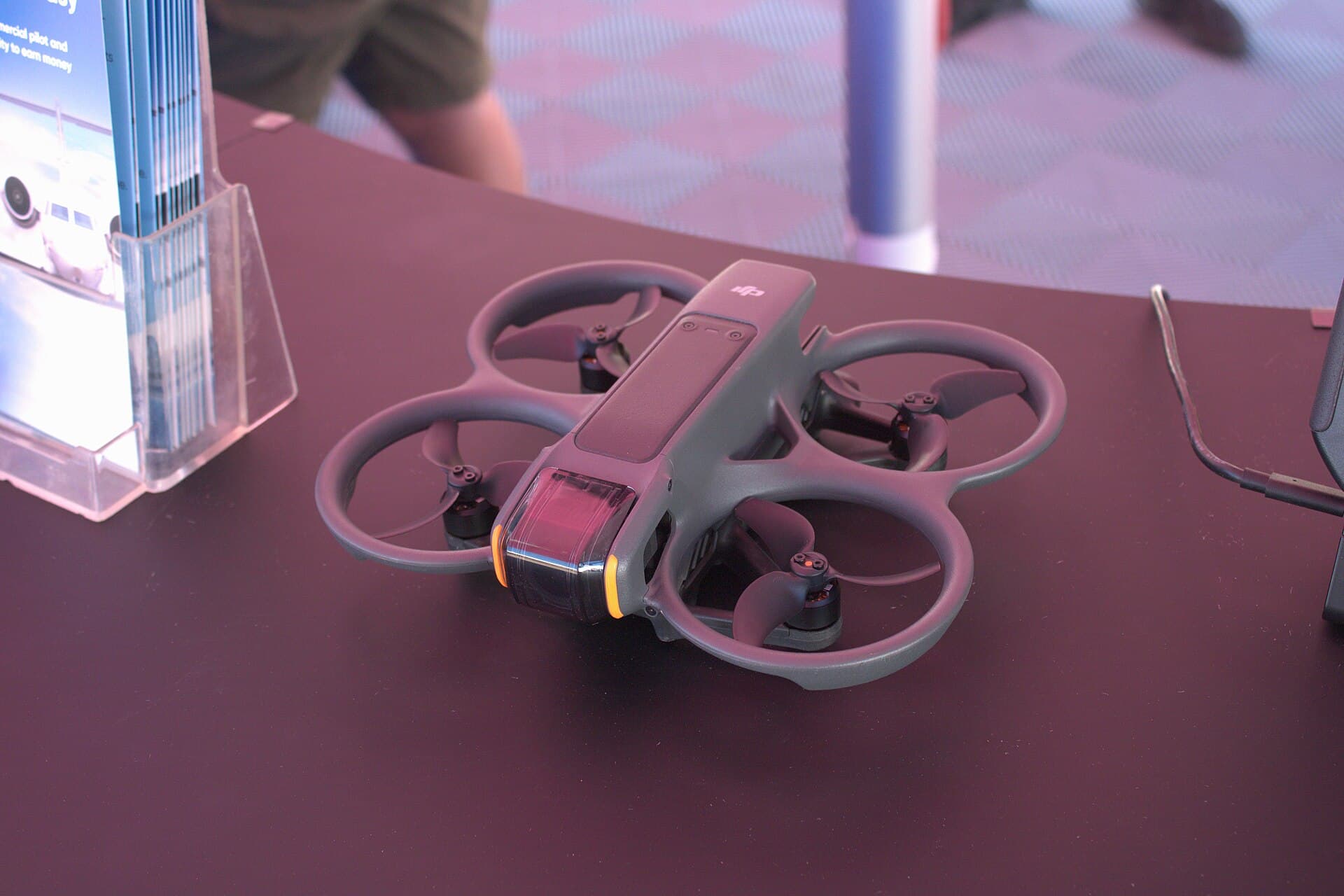
DJI Avata 2 tops racing drone guide built for competitive FPV pilots
DJI Avata 2 brings low-latency control to competitive FPV, but the real edge still comes from stability, crash recovery and the right class of frame.
Top speed is the wrong stat to worship. In competitive FPV, the drone that wins is the one that stays clean through a full lap, snaps back after a bad line, and keeps video delay down to milliseconds while the pilot threads gates.
What this guide is really measuring
A racing drone is not a camera drone with a faster personality. It is a high-speed FPV quad built for gate racing, and the benchmark is control under pressure, not pretty footage. The best rigs can reach speeds up to 120 mph, but that number only matters if the frame stays rigid, the response feels sharp, and the pilot can recover without blowing the next corner.
That is why this guide leans so hard on race-day behavior. Over more than three months of testing in warehouses, backyards and empty parking lots, plus conversations with two local MultiGP pilots, the same truth kept coming back: top speed on paper can mislead. A quad that flexes in turns may look fast in a spec sheet and still feel sloppy on course. The real separator is whether the drone can hold a line, survive mistakes and keep rhythm lap after lap.
MultiGP is the right backdrop for that conversation. The league describes itself as the largest drone racing league and FPV community in the world, with more than 30,000 registered pilots and 500 active chapters worldwide. Its 2026 championship season and Global Qualifier track program show that this is not a loose hobby scene with no ladder. It is a live competition ecosystem, and the gear decisions mirror that reality.
Why DJI Avata 2 is the premium answer
If you want the most immersive option in this group, the DJI Avata 2 is the drone that makes the strongest case. DJI’s O4 video transmission system delivers 24 ms latency and a 60 Mbps bitrate, which is exactly the kind of spec that matters when a pilot is trying to keep the nose pointed through a tight sequence of gates. That low-lag feed is not just a technical brag; it is the difference between a clean line and a correction that costs you speed.
The Avata 2 is also built around DJI’s Goggles 3 and Motion 3 controls, which makes it feel more accessible than a stripped-down race build. That is the tradeoff. It is a premium, easy-to-fly FPV experience, not a pure competition machine tuned only for the stopwatch. For a pilot who wants a serious immersive setup without spending every session chasing setup issues, that balance is the point.
The lesson here is simple: low latency matters, but only if the rest of the system stays predictable. The Avata 2 earns attention because it packages that responsiveness in a form that is easier to live with than an all-out race rig.
Where the budget and practice game is won
For indoor work and crash-heavy practice, the BETAFPV ELRS V3 Air65 is the sharpest reminder that racing is often won between heats, not during the headline lap. BETAFPV says the Air65 weighs about 17.3 g and is an ultralight 65 mm brushless whoop. That is tiny enough to make mistakes survivable, and that matters when you are learning lines or drilling technical sections in a small space.
This is the kind of quad that keeps you flying instead of waiting on repairs. It is built for FPV use, but its real value is in how cheaply and repeatedly it lets you practice. For a newcomer trying to stretch a budget, or a racer who wants a trainer that can take abuse without turning every mistake into a parts order, the Air65 makes sense in a way bigger, faster drones often do not.

The newer Air65 II materials push that logic further. BETAFPV offers Champion, Racing and Freestyle configurations, and the reinforced frame and canopy point to the same race-day concern the best pilots always talk about: durability and consistency. A drone that can survive contact and come back straight is often more useful than one that only looks sharper in a spec race.
The middle ground matters more than the marketing
The DJI Neo 2 fills the gap for pilots who want the best balance of features and accessibility. That matters because not every buyer is choosing between a toy and a full-send race build. Some pilots need a bridge: something easier to pick up than a hard-edged race quad, but still serious enough to support growth.
That middle path is underrated. Too many buyers chase the most extreme spec they can afford, then spend more time wrestling with the machine than learning to fly it well. A balanced drone can be the smarter competitive buy if it helps you build judgment, timing and confidence before you move deeper into the sport.
Why speed without stiffness loses races
Frame stiffness, battery performance and crash recovery are every bit as important as raw speed. That is the contrarian truth hidden inside most drone shopping guides: the fastest-feeling drone is not always the fastest drone once it starts banking, bouncing and taking hits. A machine that stays planted through turns and recovers cleanly after a mistake will beat a twitchy flyer that looks explosive in open air.
That is also why the guide’s track-focused lens works. On race day, the question is not whether a drone can hit a headline number. The question is whether it can stay honest through the full course, from the first gate to the last.
The rulebook still shapes the buy
The buying decision does not happen in a vacuum. In the United States, recreational drone flyers must complete TRUST, and both FAA Part 107 and recreational operations are generally governed by the 400-foot AGL ceiling. Those limits matter because where you can train often determines what kind of drone makes sense for you.
The sport also has a formal international spine. The Fédération Aéronautique Internationale recognizes drone racing as the F9U class and publishes Drone Racing World Cup rules through its sporting code. That kind of structure is why league references, equipment choices and competition formats matter so much. MultiGP’s 2026 championship, with 64 pilots and a 125,000-square-foot arena venue, only underlines the point: drone racing has grown into a sport with real lanes, real qualifiers and real consequences for the gear you bring to the field.
The cleanest takeaway is this: buy for the kind of laps you actually fly. If you want the most immersive premium FPV setup, the DJI Avata 2 leads that lane. If you need an ultralight trainer that can take punishment, the Air65 is built for that grind. If you want a more accessible bridge into the sport, the Neo 2 belongs in the conversation. In competitive FPV, the right drone is the one that makes your next lap faster, calmer and harder to break.
This article was produced by Prism’s automated news system from verified source data, official records, and press releases, then run through automated quality and moderation checks before publishing. The system is built and supervised by the people who set the standards it runs under. Read our full AI policy.
Know something we missed? Have a correction or additional information?
Submit a Tip