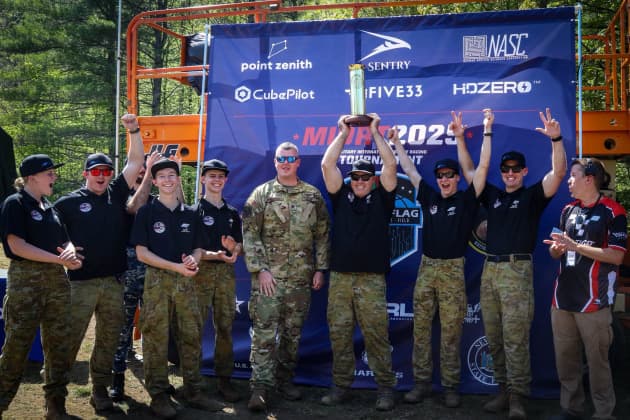
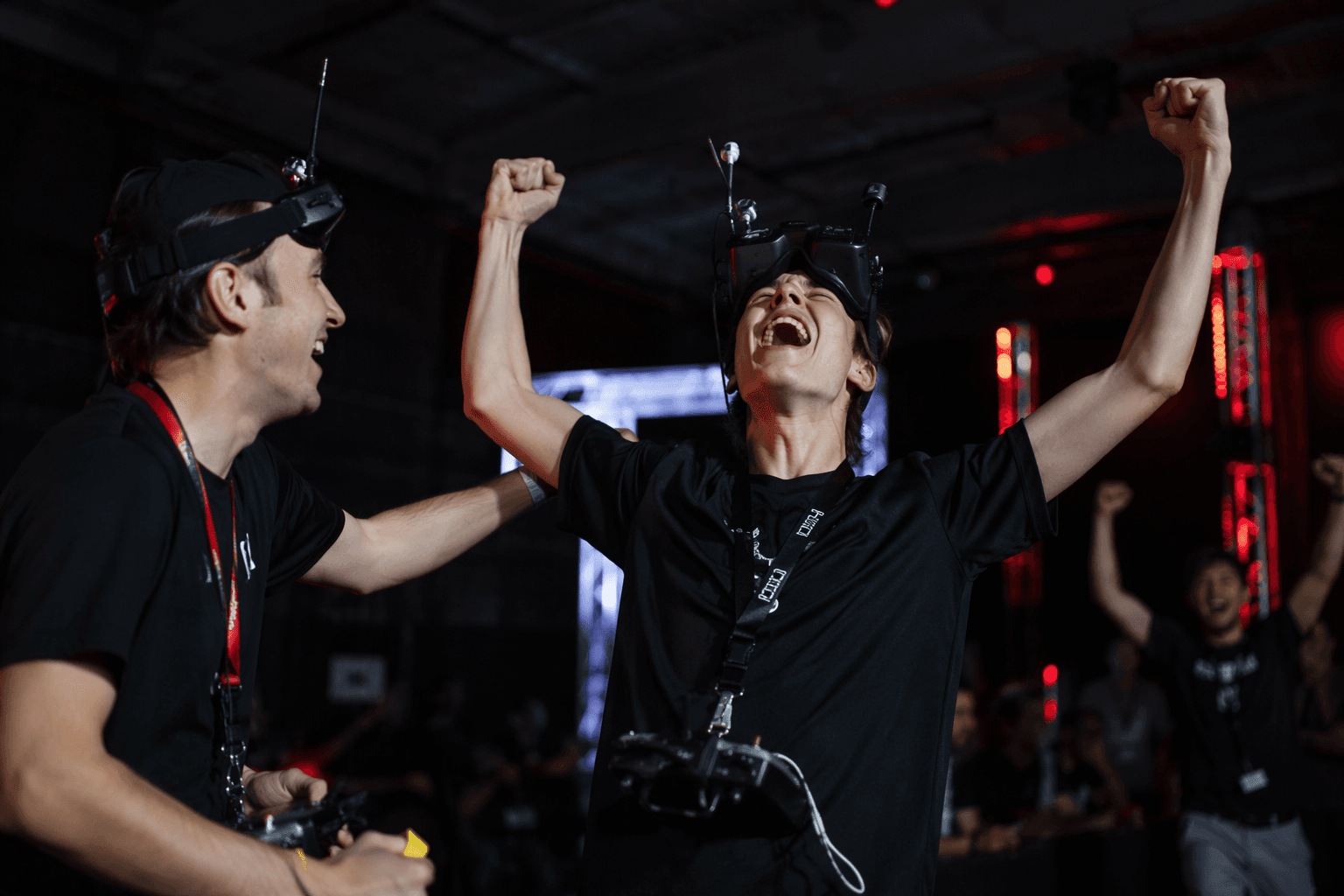
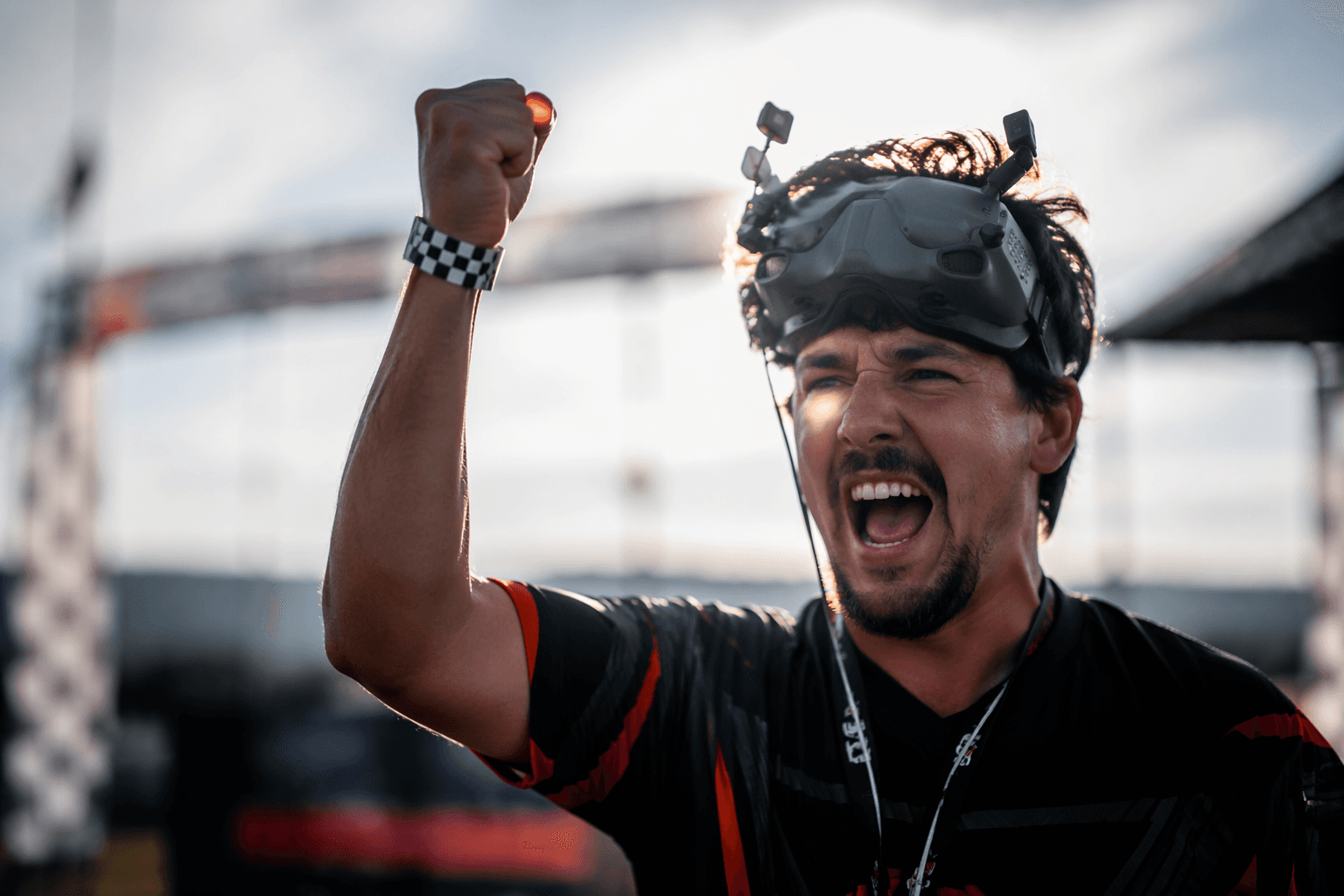
Drone Champions League sets 2026 season around three-cup mixed-reality format
DCL’s 2026 season starts in Riyadh and stays split into three cups, making simulator speed, live execution and roster depth the new route to a title.
Drone Champions League is turning the simulator into part of the scoreboard. The league’s 2026 season opened with the Riyadh Seeding Race, a two-step event that started online and then shifted into live racing on January 29 during the opening of the Tuwaiq Drones Hub in Riyadh, a venue DCL calls a new national center for drone technology, training and innovation.
That matters because DCL is no longer selling drone racing as a single shootout. Its official season plan extends the three-cup format introduced in 2025, building the year around repeated pressure points instead of one championship weekend. The structure rewards pilots who can post fast laps in simulation, carry that pace into real-world conditions and do it again across multiple cups. In a sport where one mistake can end a run, DCL is making consistency and adaptability the deciding skills.
The league’s mixed-reality identity is the other half of that equation. DCL describes itself as the world’s premier mixed-reality drone racing league, using Digital Twin technology to merge virtual and real worlds. That means the competitive product is tied to presentation as much as performance. DCL’s simulation game, DCL - The Game, is available on PC, PlayStation and Xbox, which gives the sport a broader entry point and helps make the racing legible to viewers who may follow a cup on a screen before they ever watch a live event.

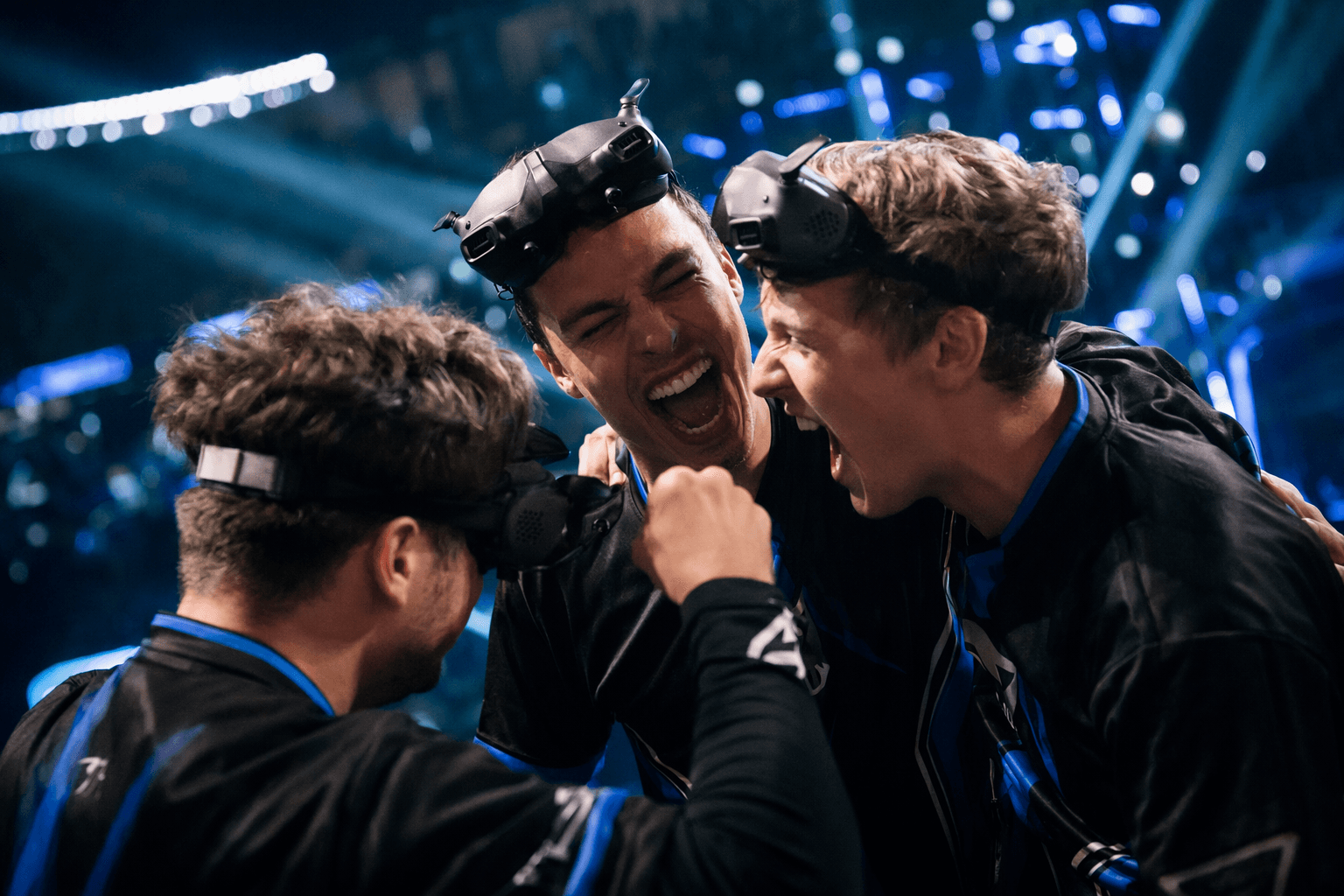
The 2025 season showed why this format can produce sharper storylines. DCL said that year was built around three premier cups combining virtual and live racing, and it ended on December 19 at the LOTTO Eiskanal Königssee ice channel in Germany, where Raiden Racing claimed the 2025 DCL Championship. Spain Drone Team had already won its first DCL Cup title in 2025, proving the season could produce multiple peaks before the final. The lesson for 2026 is clear: the fastest single run is not enough if a team cannot hold form across the full ladder of cups.
DCL is also widening the sport beyond FPV racing. In January, it announced the AI Grand Prix, an autonomous drone racing competition operated with Anduril, Neros and JobsOhio that will build toward a live head-to-head final in November 2026 in Columbus, Ohio. On April 22, DCL said four pilots were selected into the 2026 season route into the Falcon Cup, while March draft registration showed the league is treating roster movement as part of the season narrative.
For pilots, the new format raises the value of repeatable speed over one-off heroics. For teams, it puts a premium on adapting from simulator to live venue without losing points. For viewers, it creates a cleaner season-long arc. DCL’s 2026 campaign is not just continuing 2025; it is redefining which skills win when racing is measured across cups, platforms and worlds.
This article was produced by Prism’s automated news system from verified source data, official records, and press releases, then run through automated quality and moderation checks before publishing. The system is built and supervised by the people who set the standards it runs under. Read our full AI policy.
Did this article answer your question?