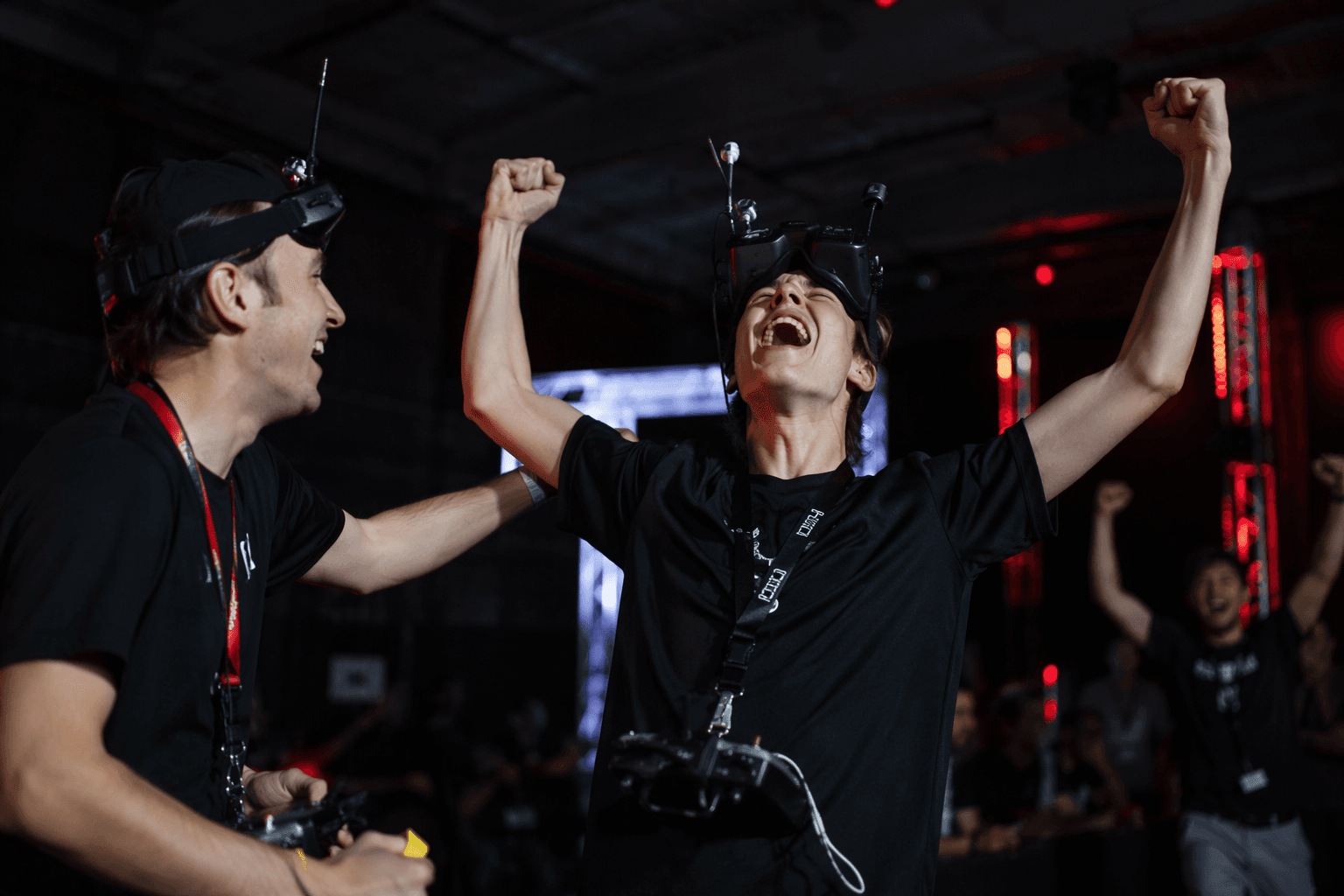
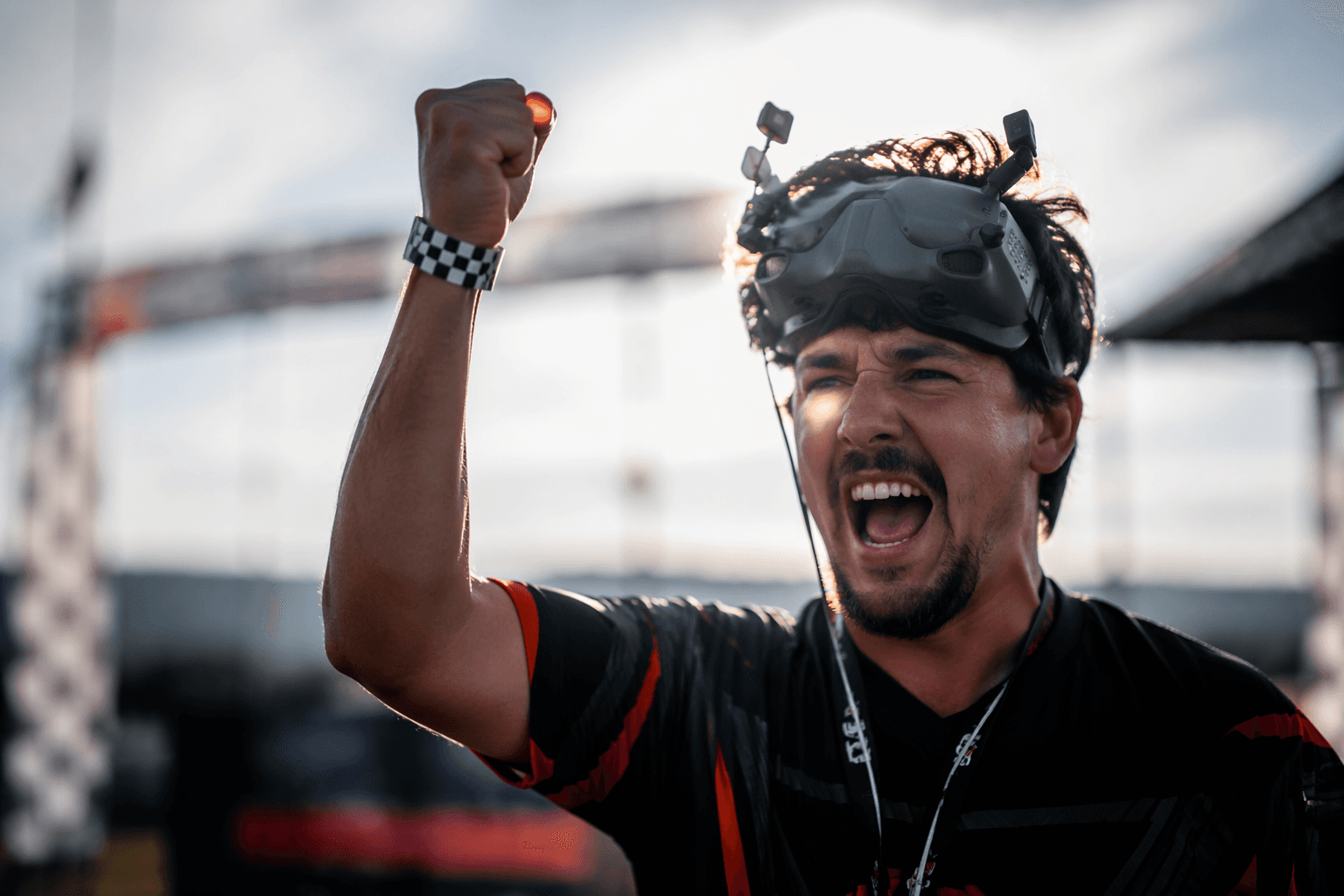
Drone Racing Gear Choices Shape Speed, Clarity, and Race-Day Consistency
The fastest laps come from gear that stays reliable under pressure. Smart FPV choices cut crashes, dropouts, and battery sag far better than flashy upgrades.
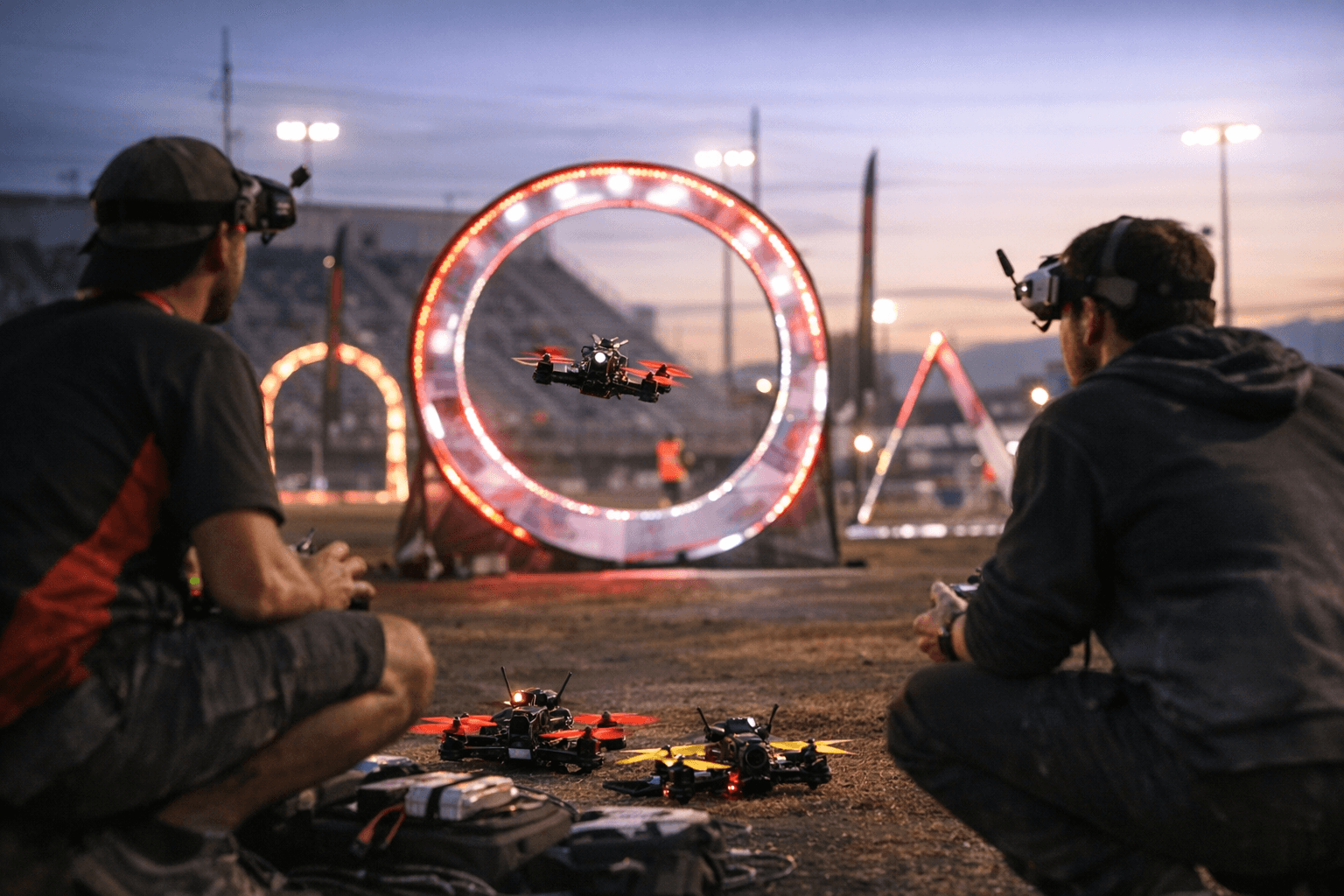
The gear that wins on race day
Drone racing is rarely decided by one shiny upgrade. The real edge comes from the parts that help you finish more laps cleanly under pressure: goggles, air units, antennas, receivers, frames, motors, firmware, and the way they all work together. A pilot can have sharp stick skills and still lose time every lap if the video link stutters, latency creeps up, or the quad reacts badly to throttle changes.
That is why race-day gear choices matter as much as raw speed. The best setup is not always the newest one, or even the lightest one. It is the one that keeps your line clean, your video steady, and your battery from falling apart when the heat gets messy.
Video link choices decide how much you can trust your eyes
Digital FPV systems have a clear appeal: the image is crisp, gates are easier to read, and the track can feel less like a blur. That clarity matters when you are threading technical sections and need to see the split-second opening for a turn. The tradeoff is that digital usually demands more careful matching between goggles, air units, and firmware versions, so the setup work starts long before the gate drops.
Analog still has a firm place in racing because it is inexpensive, lightweight, and often more predictable in certain race environments. Its weakness shows up fast in crowded heats, where noise can creep into the picture as more pilots transmit at once. If you choose analog, think hard about track design, antenna placement, and how crowded the airspace is going to be, because those details can matter as much as the goggles themselves.
Frames, motors, and props shape how the quad behaves under pressure
Frame choice is not just about saving grams. Ultra-light frames can feel fast and responsive, but durability becomes the real test when you clip a gate or tumble after a missed split-S. A race frame that survives impact and returns to service quickly is often more valuable than a marginally lighter one that keeps you in the pits.
Motor KV, prop pitch, and battery size all shape the same basic question: does the quad explode out of the gates, or does it carry speed more efficiently through technical sections? If the setup is too aggressive, you can gain snap off the line but give some of it back when the course asks for smooth, repeated control inputs. The goal is not maximum numbers on a spec sheet. The goal is a machine that accelerates hard, settles cleanly, and keeps behaving the same way from lap to lap.
Tune quality keeps the pilot from fighting the aircraft
Firmware and tune quality matter more than casual fans often realize. A well-tuned quad can corner without wobble, recover quickly from throttle punches, and hold a consistent line through a chicane. That consistency reduces mental load, which is a huge competitive advantage when the race is moving too fast for second-guessing.
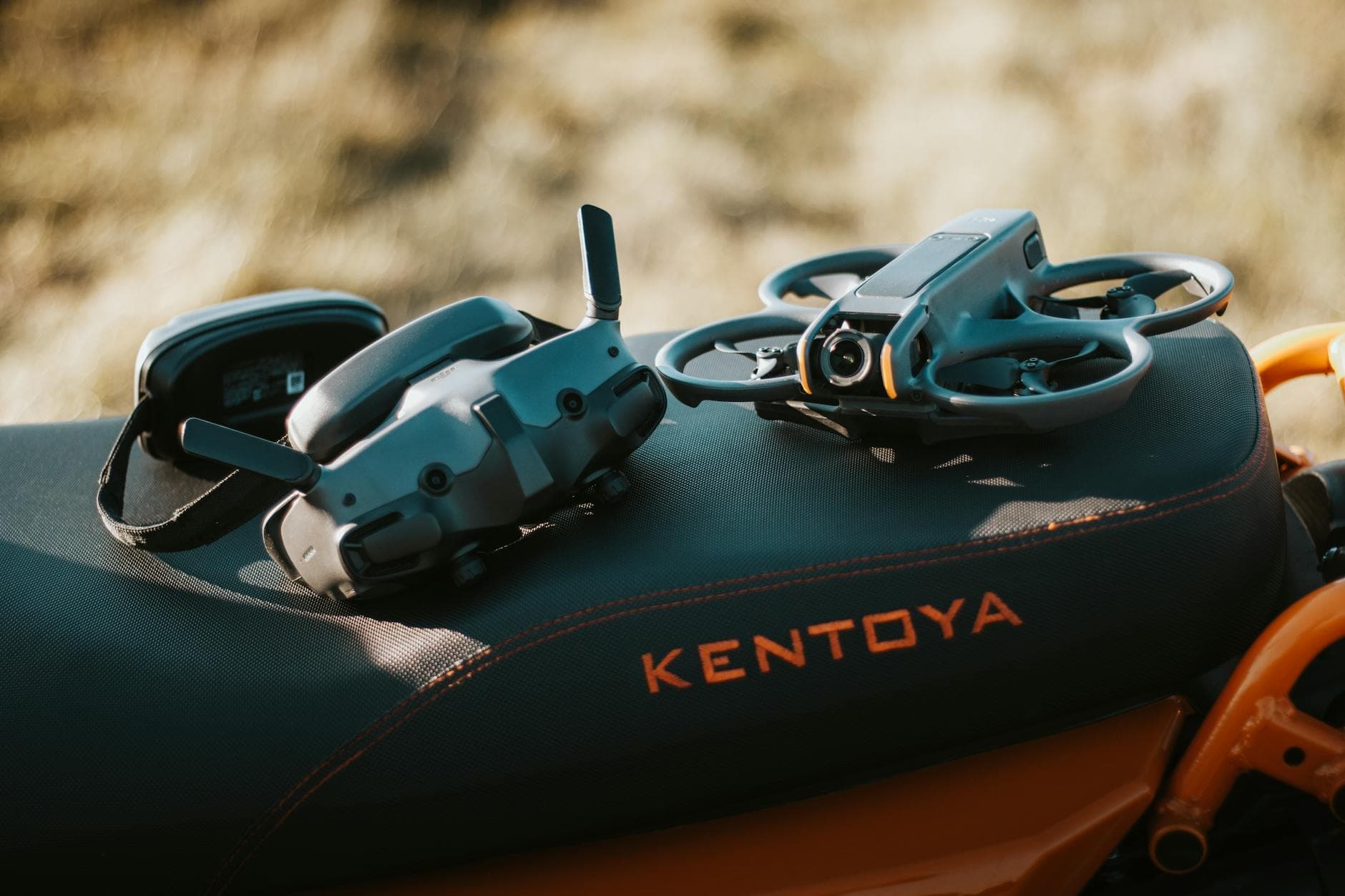
Compatibility matters here too. The best tune in the world will not save a setup that is mismatched across hardware or running versions that do not play nicely together. In drone racing, race-day success is often the sum of dozens of small compatibility decisions rather than one dramatic upgrade.
The practical pre-heat checklist
The cleanest laps usually come from the most boring discipline: checking the pieces that most directly affect reliability. Before your next heat, treat the setup like a race plan, not a shopping list.
- Props: Match prop pitch to the motor and the kind of track you are flying. If the course demands quick response and tight cornering, a prop that is too aggressive can make the quad harder to control, while damaged props can quietly ruin consistency even if the drone still flies.
- Batteries: Battery size should support the way the quad is being flown, not just the way it feels on the bench. If a pack cannot hold up through repeated throttle punches and long technical sections, the drone may start strong and fade when the lap pressure peaks.
- Camera and VTX reliability: Whether you fly digital or analog, your video chain has to be trusted, not merely powered on. Check the goggles, air unit, antenna placement, and firmware pairing so the picture stays readable when the field gets crowded.
- Backup setup: Spare parts are part of performance. A pilot who can swap a frame arm, rebind a receiver, or replace a damaged antenna between heats is often the pilot who keeps advancing. A backup pack, a spare antenna, and the right small parts can save an entire race weekend.
Why the smartest upgrade is usually the one that prevents mistakes
The broader lesson is simple: the fastest race-day gear is the gear that reduces crashes, video dropouts, and battery sag when the pressure rises. That can mean choosing a tougher frame over a lighter one, or a more predictable video setup over a prettier spec sheet. It can also mean spending less on the headline upgrade and more on the parts that keep your laps clean.
Drone racing rewards pilots who understand their hardware. When the system is balanced, the pilot can focus on racing instead of fighting the aircraft, and that is where speed really shows up. The equipment that survives the heat, stays clear in the goggles, and holds together under throttle is the equipment that keeps you in the fight.
This article was produced by Prism’s automated news system from verified source data, official records, and press releases, then run through automated quality and moderation checks before publishing. The system is built and supervised by the people who set the standards it runs under. Read our full AI policy.
Did this article answer your question?