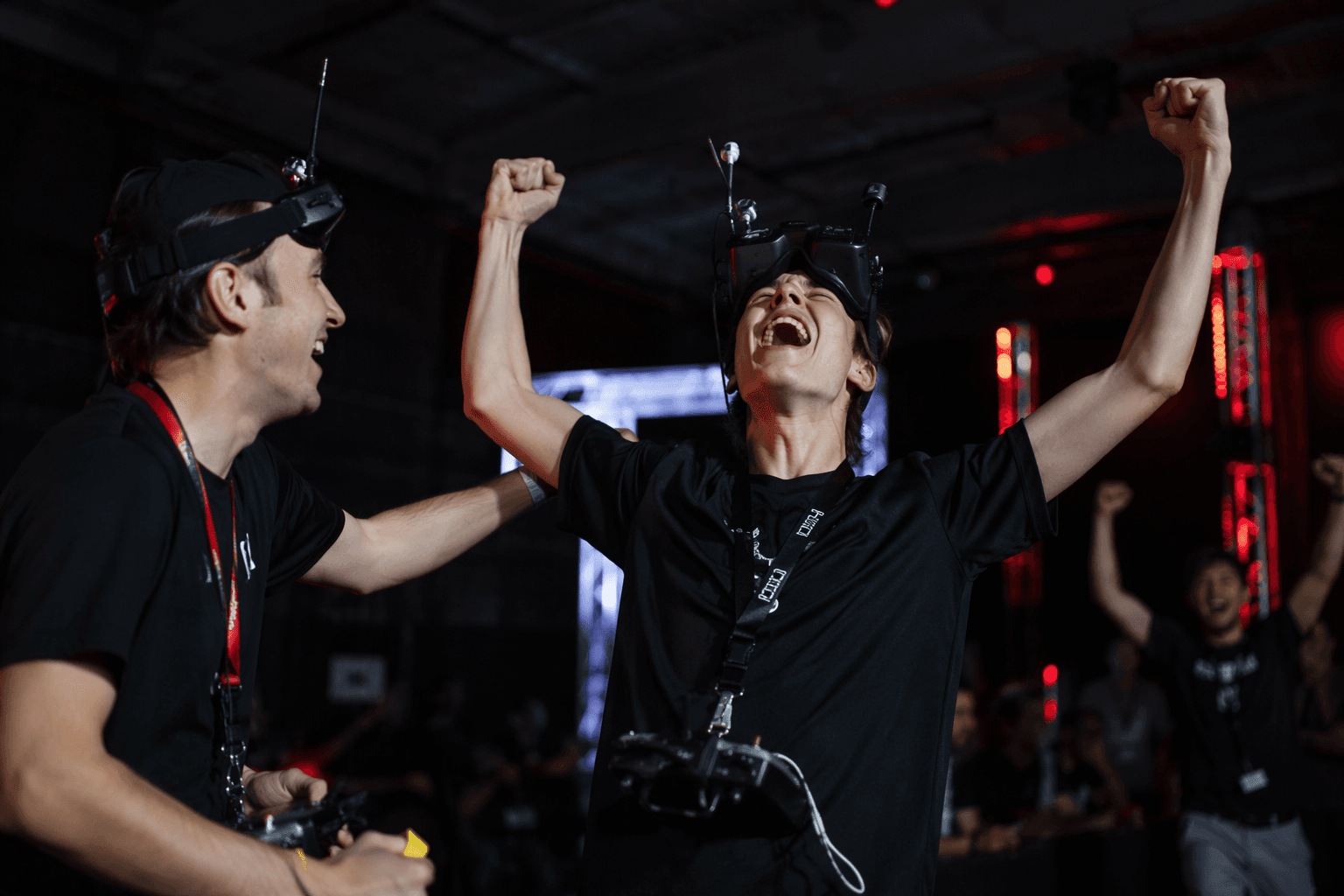
Outer Heaven Drone Racing Round 4 features open-class speed and ProSpec precision
Round 4 splits the room between flat-out 5-inch speed and ProSpec precision, so the gear you buy can decide whether you race for chaos or for podiums.

Why this round matters
Outer Heaven Drone Racing is not asking pilots to choose between spectacle and fairness, it is putting both on the same card. Round 4 is built around two very different racing identities: open-class 5-inch racing for the full-send crowd, and ProSpec for the pilots who want the stopwatch to punish mistakes instead of raw wallet size.
That split matters because it changes how you enter the sport. In one lane, you chase speed, tune hard, and live with the risk that a slight setup miss turns into a crash at race pace. In the other, you get a tighter spec class where clean lines, throttle discipline, and recovery matter more than brute force. For everyday pilots, that is the real choice: buy into freedom and chase outright pace, or buy into parity and give yourself a more realistic shot at staying in the fight.
What Round 4 looks like on the ground
Round 4 is scheduled for Saturday, April 19, 2026, at 86 Palmyra Ave, Willmot, running from 8:00 a.m. to 5:00 p.m. That is not a quick club pop-in. It is a full-day race program, the kind of window that supports practice, heats, resets, and a proper progression through the field.
The venue matters too. A full-day format at Willmot gives the club room to stage both styles of racing without rushing the program, and that structure tends to reward pilots who show up prepared. If you are trying to read the day correctly, think of it less like a single race and more like a ladder: warm up, settle in, adapt to the class you picked, then survive long enough to matter when the pressure rises.
Open-class 5-inch is the speed gambler’s lane
Open-class 5-inch racing is where the throttle gets to speak first. This is the format for pilots who want to keep tuning freedom, pursue top-end speed, and lean into the kind of build choices that can turn a lap into a statement. The upside is obvious: when the setup is right, you can be faster than the field. The downside is just as clear: when it is wrong, the lap time and the repairs can both get ugly.
That is why open class shapes buying decisions so sharply. You are not just choosing motors, props, and battery packs for comfort. You are deciding whether you want a build that can carry speed through a course, absorb mistakes, and still attack, or whether you are willing to trade consistency for the chance to be the fastest thing on the track. In a class like this, podium shots often belong to pilots who can control the machine, not just the ones who can afford the sharpest parts.
ProSpec is where precision becomes the weapon
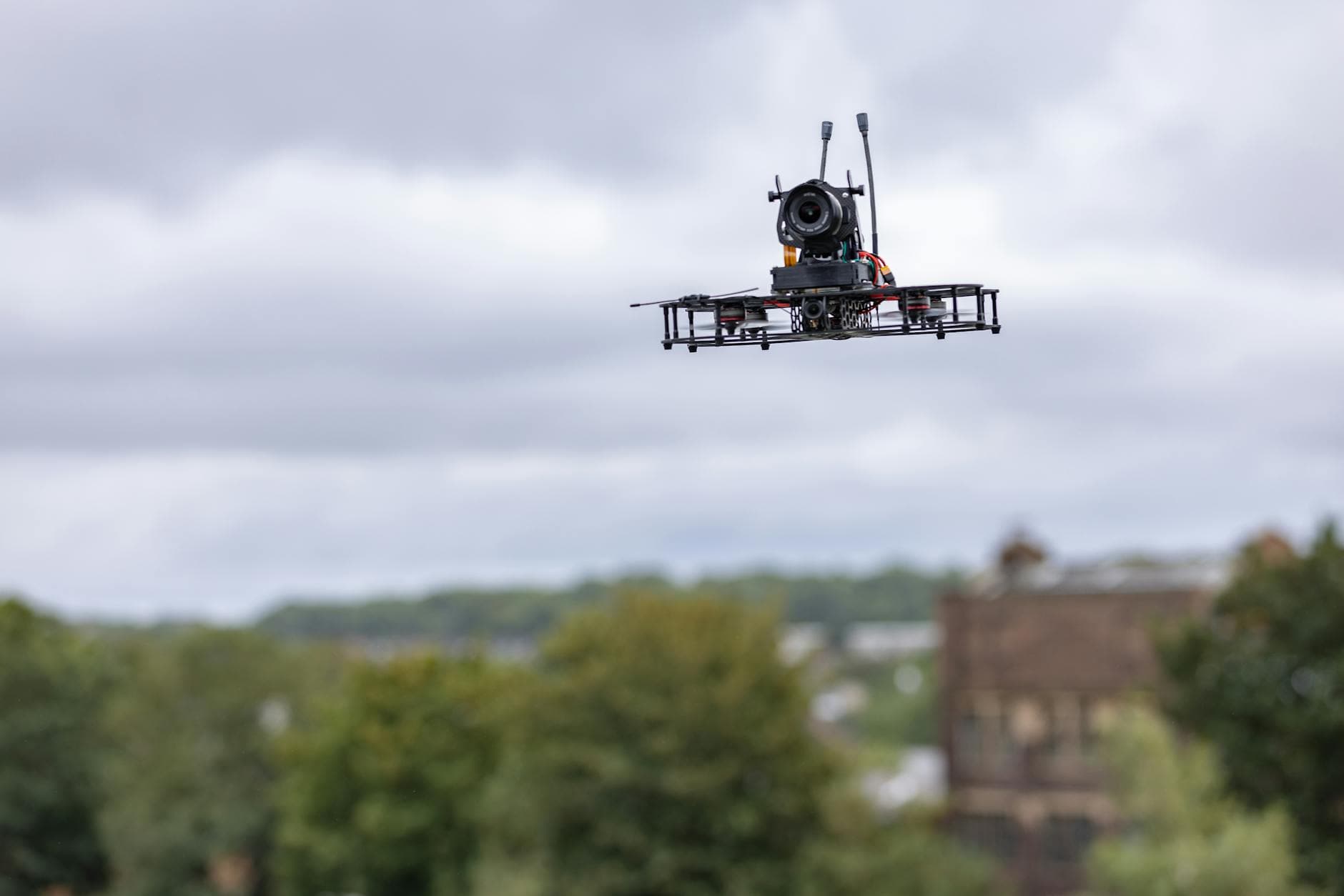
ProSpec is the other half of the story, and it is the part that makes Outer Heaven’s Round 4 more than a simple speed meet. MultiGP describes ProSpec as the official 7-inch spec class, with a maximum frame size of 305 mm and an all-up weight limit of 800 g. It also sets a battery max charge of 4.35v per cell, which is another way of saying the class is built to keep the field within a tighter performance band.
That design changes the race. When the class caps the hardware, the pilot has to win with line choice, throttle control, and error management. A small mistake costs more because everyone around you is close enough in spec to punish it. That is the appeal: less arms race, more execution. For pilots deciding how to compete, ProSpec is the clearest entry point into racing that still feels serious, because your chances are not determined only by how aggressively you spend.
The class is not just a local experiment either. MultiGP says ProSpec is part of the 2025/26 season, and results contribute points toward the 2026 Pro Spec Championship. Its series page shows the 2025/2026 series began on May 2, 2025, with 22 approved races and 126 pilots listed. That is the kind of number that changes the conversation. A class with 126 pilots is not an obscure side pot anymore. It is a real ladder with real consequences.
How Outer Heaven frames the ladder
Outer Heaven Drone Racing says it is the biggest Sydney-based drone racing club, operating under Drone Racing Australia with insurance, and catering to all skill levels. That combination tells you what kind of race environment this is meant to be. It is not built only for the fastest pilots in the room. It is built to let newcomers, grinders, and seasoned racers all find a lane that fits.
The club’s own background also helps explain why this matters in Australia. Its history notes say drone racing here started around 2013 to 2014, when the sport was still an underground scene of informal meetups in fields, car parks, and abandoned buildings. From there, it grew into organized clubs and eventually international events. Round 4 sits inside that bigger arc: the sport has moved from improvisation to structure, and the split between open-class speed and ProSpec precision is a sign of how mature that structure has become.
Why Willmot carries more weight than a local club date
The Australian FPV Association lists Outer Heaven as a Nationals Qualifier at 86 Palmyra Ave, Willmot. That detail matters because it changes the stakes. A club race is never just a club race once it has championship implications attached to it. Every lap at Willmot can shape more than one result, which means pilots are not only racing for bragging rights on the day, they are racing into a wider competitive system.
That also explains why the format choice matters so much. If you are trying to climb, a qualifier that includes both open-class and ProSpec gives different types of pilots a path in. The full-send 5-inch racer can lean into raw pace and tuning freedom. The precision racer can build around the tighter spec window and chase consistency. One event, two philosophies, and both can lead somewhere meaningful.
What Round 5 signals about the season
Outer Heaven’s Round 5, scheduled for May 3, 2026, is described as a no-cap full-send format. That is the next step in the same ladder: after the controlled, capped logic of ProSpec, the club swings back toward maximum freedom and speed. The contrast is the point. The season is not just about collecting rounds; it is about showing pilots where they belong on the spectrum between parity and power.
That is why Round 4 stands out. It does not just fill a calendar slot. It gives pilots a practical answer to a real question: do you want a class that makes every mistake expensive and every clean line valuable, or do you want a machine that can unleash everything you are willing to bolt onto it? At Outer Heaven, the answer is both, and that is what makes the card worth watching.
This article was produced by Prism’s automated news system from verified source data, official records, and press releases, then run through automated quality and moderation checks before publishing. The system is built and supervised by the people who set the standards it runs under. Read our full AI policy.
Did this article answer your question?