Speed World Raceway guide frames RC planes and drones as distinct hobbies
RC planes and FPV drones are not interchangeable starter hobbies. If racing is the goal, the multirotor path offers faster feedback, stronger community access, and a real competition ladder.
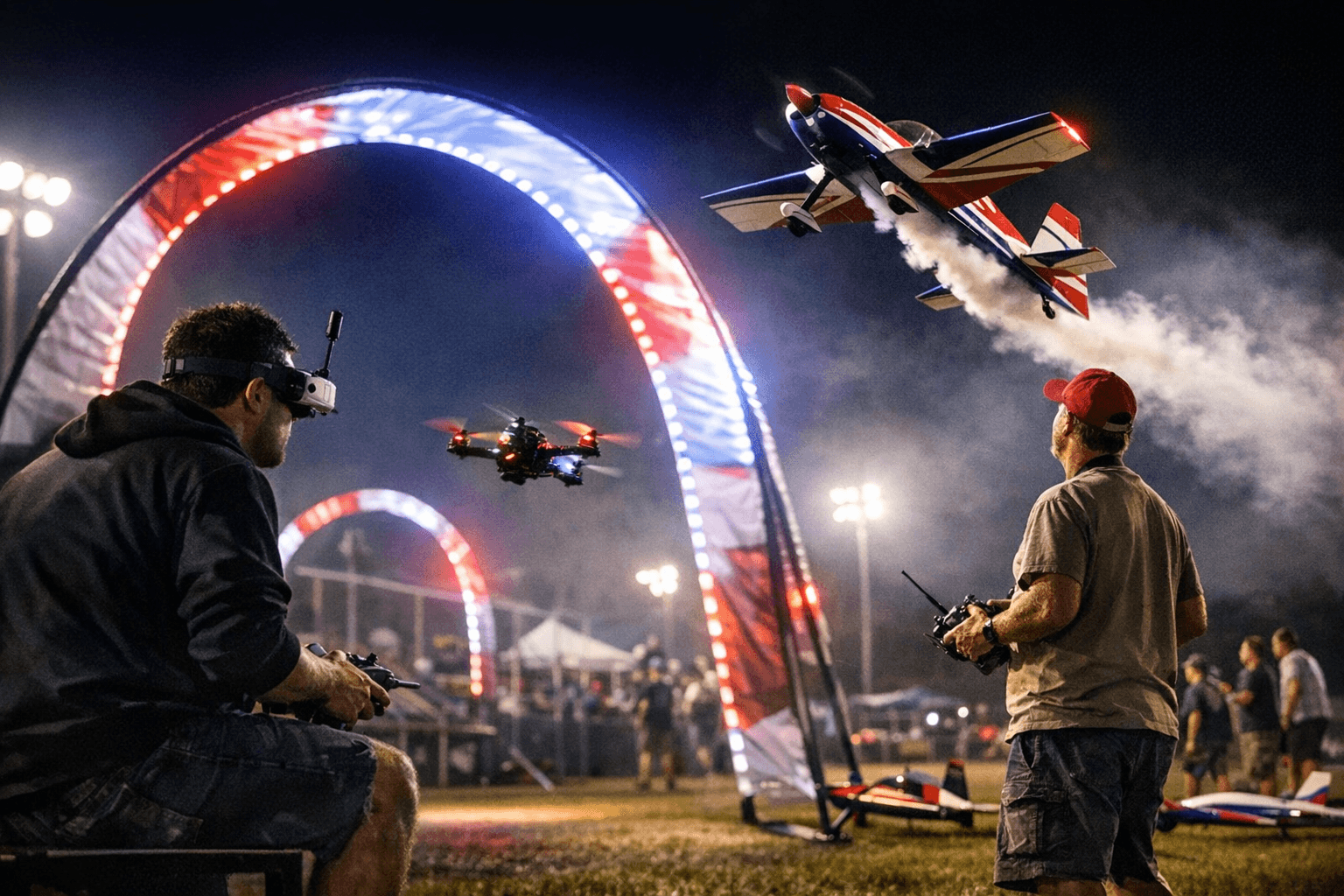
The first decision is not which craft looks cooler on a workbench. It is whether you want a classic flying hobby, or a sport built around immediate control, constant correction, and the pressure of racing gates in view. Speed World Raceway’s guide makes that split plain: RC planes and RC drones both fly, but they teach very different habits, and only one of them drops you directly into the world of FPV racing.
Where the two hobbies separate
RC planes reward a steadier, more traditional style of flight. They suit pilots who want a broader, more open feel, with the satisfaction of holding a line and managing lift, glide, and approach. FPV drones, by contrast, are built for tighter reactions and quicker corrections, which is why they have become the more natural on-ramp to racing. If your goal is eventually to clear a course as fast as possible, the drone path trains the instincts you will actually need on race day.
That distinction matters because the real first question is not camera drone versus race drone. It is whether you want the multirotor feedback loop at all. Drone racing asks you to process motion fast, recover fast, and accept that the machine is part of a performance system, not just a flying toy. That is a very different entry point from the slower, more classic progression of fixed-wing flight.
Crash tolerance and what it means in practice
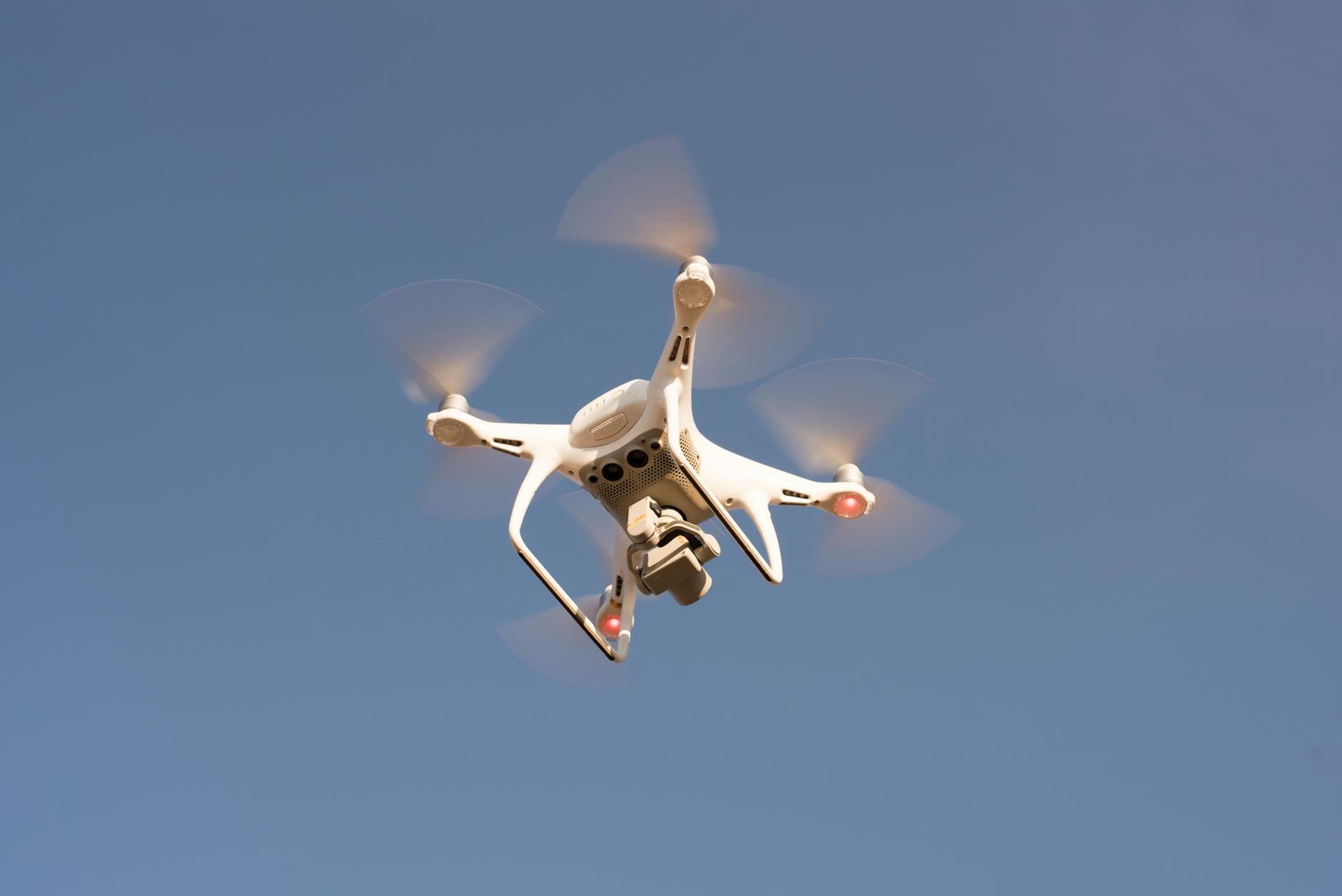
This is where the racing lens changes the comparison. A plane can be a smoother path into flight fundamentals, but FPV drones are the platform where impact, tuning, and repair are part of the sport’s daily language. The guide’s value is that it frames drones as a performance-first hobby rather than a gadget purchase, which is the right mindset if you plan to race.
For a prospective racer, crash tolerance is not an abstract feature. It is the difference between a hobby you admire and a hobby you can actually stay in after the first bad lap. Drones are built for quick correction and repeated practice, and that makes them more aligned with competition, where you learn by pushing harder, clipping a gate, and building back better for the next run. Planes can absolutely be flown hard, but they do not live inside the same lap-by-lap repair-and-return culture that defines FPV racing.
The learning curve is the real cost
The most important thing to understand is that drone racing compresses the learning curve into a few demanding steps. You are not only learning to fly. You are learning to interpret first-person video, manage tight controls, and stay calm while the course narrows around you. That is why drones feel more technical from day one, and why they suit people who want a sport with immediate feedback rather than a casual airborne pastime.
That technical barrier is also what makes the community so important. Drone racing is not just about owning the right gear. It is about finding people who already know the course, the setup, and the racing rhythm. MultiGP, which describes itself as the world’s largest drone racing league and FPV community, says it has more than 30,000 registered pilots and 500 active chapters worldwide. That kind of footprint changes the entry experience from isolated tinkering to a genuine sporting ladder.
Where the community is strongest
The guide also reflects something every racer feels quickly: drone communities live heavily online, but physical meetups are far more concentrated around organized events. That matters if you want a hobby that behaves like a sport. A strong local chapter can turn a solo interest into weekly practice, gate runs, race nights, and feedback from pilots who already know the line.
MultiGP’s structure shows how that ecosystem works. Founder Chris Thomas said he launched the organization in early 2015 and that more than 5,000 races had been run under the MultiGP banner by the time of his founder message. The league also says VelociDrone is the official simulator for its 2026 eSport season, which reinforces how modern drone racing now lives in two places at once: on the field and on the screen. For a new racer, that means practice can start before the first live gate is ever flown.
The rules are part of the sport
Drone racing is not just a consumer-tech pastime. The Federal Aviation Administration requires recreational flyers to complete TRUST and carry proof of completion if asked, and it says recreational pilots must follow FAA-recognized community-based organization safety guidelines under the recreational carve-out. If registration is required, flyers must carry a current FAA registration, label the drone with the registration number, and carry proof of registration.
The basic flying rules shape the sport too. FAA recreational guidance says pilots should keep drones within visual line of sight, stay below 400 feet, and avoid restricted or prohibited airspace. For racers, that means the pathway into competition includes compliance from the beginning. The discipline is not separate from the hobby. It is built into it.
Why the sport already feels established
Drone racing may still be growing, but it is not starting from zero. The International Drone Racing Association announced a multi-year media distribution deal with ESPN in 2016, and the 2016 GoPro National Drone Racing Championships on Governors Island in New York City became one of the sport’s early high-profile showcases in the United States. That history matters because it shows FPV racing has already crossed from niche novelty into organized, televised, and club-based competition.
That broader arc is why the comparison between RC planes and RC drones lands so cleanly for would-be racers. Planes offer a classic flying experience. Drones offer something more specialized and, for racing, more revealing: a direct path into a regulated, community-driven sport with practice tools, chapter networks, and a real ladder of competition. If the goal is to race, the drone path does more than fly. It puts you in the game.
This article was produced by Prism’s automated news system from verified source data, official records, and press releases, then run through automated quality and moderation checks before publishing. The system is built and supervised by the people who set the standards it runs under. Read our full AI policy.
Did this article answer your question?