Drone racing latency: how much delay costs pilots positions
A 28 ms feed can still decide a gate fight, but HDZero’s 14.1 ms claim and analog’s predictability show why racers still split on latency.
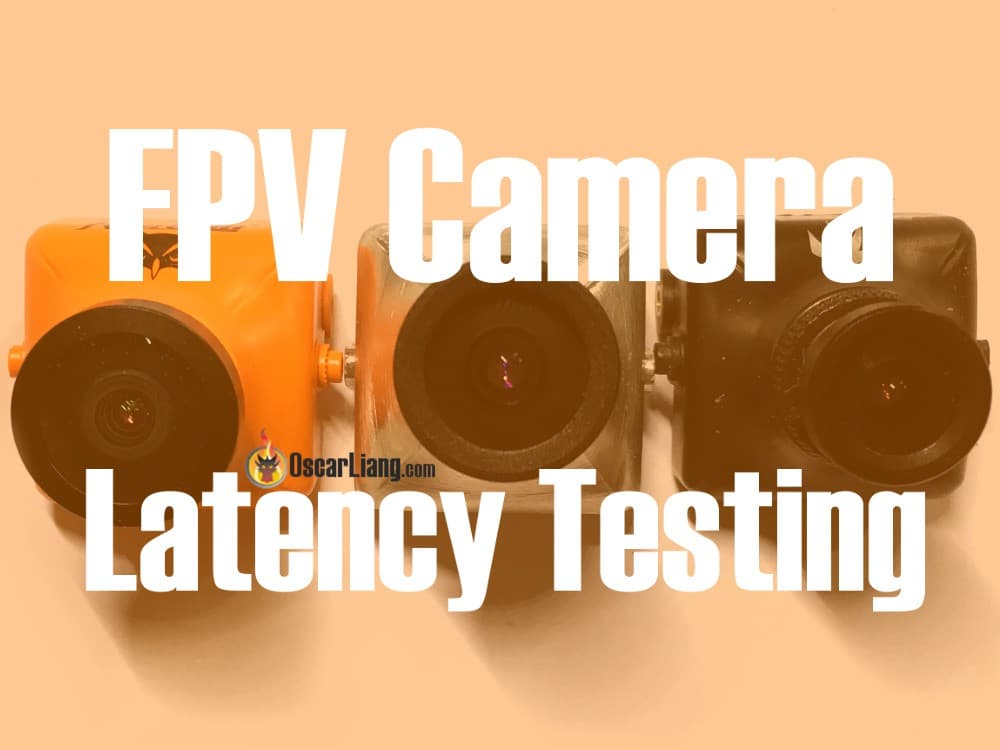
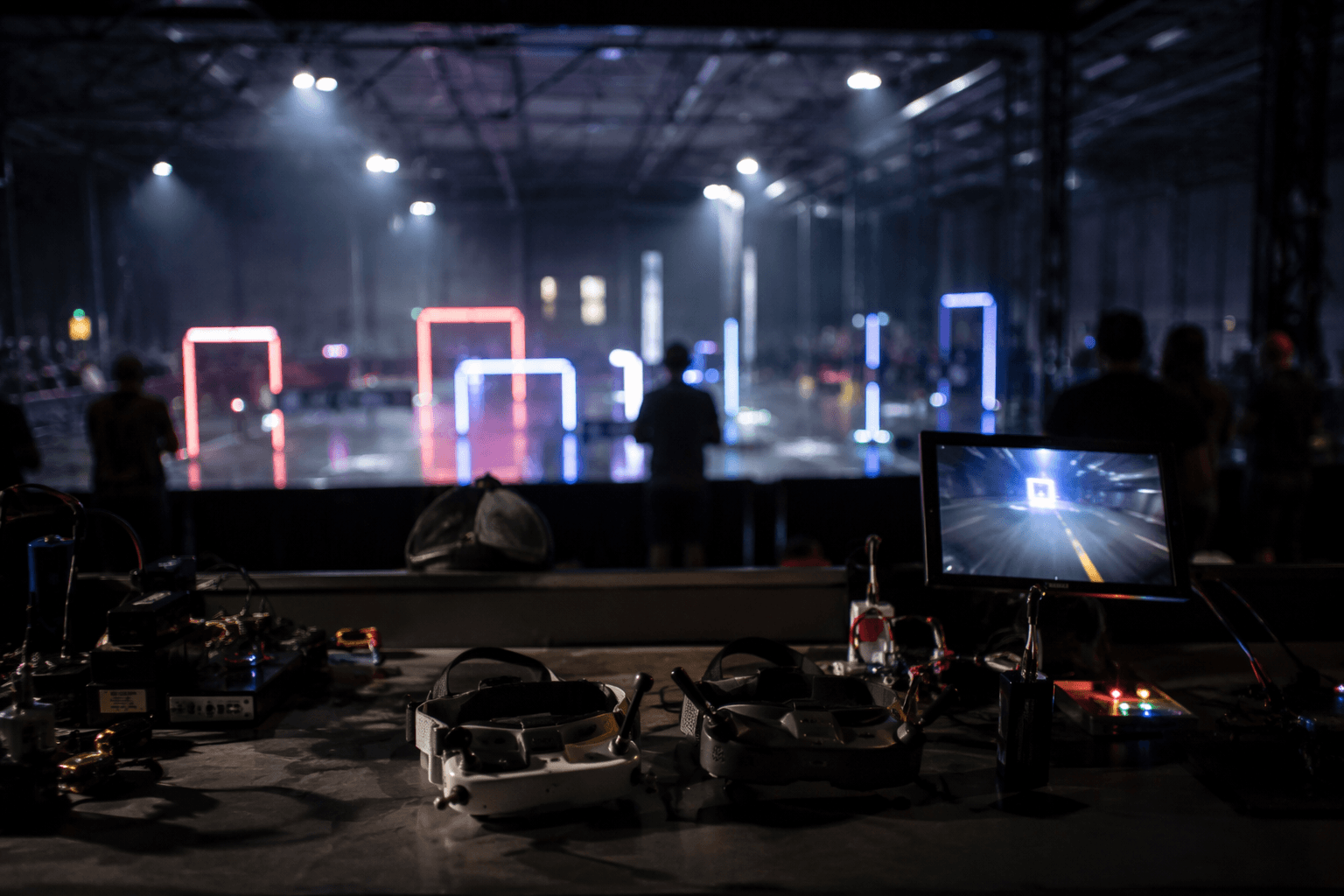
In drone racing, the number that matters most is not top speed. It is how many milliseconds of video delay you can live with before a late correction turns into a clipped gate, a scrubbed line, or a lost position. Oscar Liang’s FPV Camera Latency Testing treats latency as a reaction-time and stick-feel problem, which is exactly how racers experience it when the quad is threading tight gates, diving into a split-S, or recovering from a mistake.
How latency turns into positions
The race-day cost of delay is not abstract. A small lag makes the quad feel disconnected, and that disconnect shows up where courses are least forgiving: in tight gate sequences, in high-speed sections where the pilot must hold a line without wobble, and in recovery moments after a bad corner entry. When the picture arrives late, pilots tend to over-correct, brush plastic, or miss the smooth arc that keeps lap time clean.
That is why latency sits alongside image quality, link reliability, and cost in every serious FPV decision. Oscar Liang’s 2026 system roundup reflects that reality by putting analog, DJI, Walksnail, HDZero, OpenIPC, and Ascent in the same conversation rather than pretending one format solves every course and every budget.
What the millisecond numbers say
The clearest benchmark in the current debate is DJI’s digital FPV claim from July 31, 2019: 28 milliseconds end-to-end latency. DJI’s launch language called it “the first low latency HD video transmission signal,” and DroneLife’s same-day coverage showed how quickly that announcement landed in the racing world. DJI later framed the ecosystem as a low-latency HD digital feed built for drone racing, not just camera drones.
Analog still has a place in that same conversation because racers trust its simple, predictable feel. One comparison cited in the search results puts the best possible latency for analog at about 35 to 36 milliseconds. That number does not automatically make analog obsolete, but it does explain why pilots keep weighing whether they want the familiar response of an analog chain or the cleaner image of a digital one.
HDZero pushes the latency argument even harder. The company says its input video transmission to output video reception latency is less than 1 ms, and its glass-to-glass latency can be as low as 14.1 ms, fixed regardless of signal reception. For a racer, that combination matters because a link that behaves the same way when the signal degrades is easier to trust when the course gets messy.
Where analog still makes sense
Analog is still the safest default for pilots who care most about immediate, familiar control feel and do not want to think about image processing. The simple signal path has long made it the reference point for racing because there is less to interpret between the quad’s movement and what reaches the goggles.
That matters most on tracks built around repetition and precision: short chicanes, sharp gate transitions, and lines where a pilot is constantly making tiny stick corrections. If your style depends on reading the nose of the quad instantly and adjusting by feel, analog remains a credible racing choice even in a market crowded with digital options.
Where digital earns the trade-off
Digital starts to win when the image itself helps you fly faster or cleaner. DJI’s HD feed gives pilots sharper onboard recording and a clearer view of gate placement, which can help on technical courses where depth perception and line reading matter as much as raw reflexes. The 28 ms end-to-end claim also put digital into a latency range that racing pilots could take seriously, instead of treating it as a pure cinema product.
That said, the trade-off is still real. Digital’s stronger picture quality only helps if the added processing never gets in the way of your hands. In practice, pilots who fly more by visual precision than by pure muscle memory are often the ones most willing to accept that trade for a clearer view in the goggles.
A simple way to read the options looks like this:
- Choose analog when you want a familiar, simple racing feed and a proven feel through tight, technical lines.
- Choose DJI when HD image quality and recording matter, and a 28 ms class of latency still feels raceable.
- Choose HDZero when your priority is the lowest and most consistent delay the system can claim, especially in courses that punish late corrections.
The broader FPV field is not standing still
Walksnail, OpenIPC, and Ascent show how diverse the FPV ecosystem has become. OpenIPC’s documentation describes it as a non-profit, open-source communication and experimentation project used in FPV and other fields, which gives it a very different profile from a closed commercial racing system. A FPVSIM post dated February 12, 2024 says OpenIPC may suit low-budget users who do not care much about latency, or long-range drones in large open areas with autopilot mode, which is a very different use case from a race where every correction happens in fractions of a second.
DJI’s own follow-up release notes from December 2, 2019 show that the company kept refining the racing use case after launch. Those notes added support for recording AV IN analog video transmission and optimized AV IN analog video transmission to improve real-time performance. That is a reminder that the latency race did not end with the first product announcement; it kept moving as vendors adjusted their systems to serve racers who cared about every frame.
The clearest answer is still the practical one: in drone racing, the best system is the one that keeps your eyes and hands synced when the track stops forgiving mistakes. For some pilots that will still be analog, for others it will be DJI or HDZero, but the position you save is always the one you see in time.
This article was produced by Prism’s automated news system from verified source data, official records, and press releases, then run through automated quality and moderation checks before publishing. The system is built and supervised by the people who set the standards it runs under. Read our full AI policy.
Did this article answer your question?