FAA Publishes New Waiver Framework, Streamlining Approvals for Drone Racing Events
The FAA's Section 927 waiver framework, published Tuesday, could replace months-long exemption battles with program-level approvals for drone racing leagues.

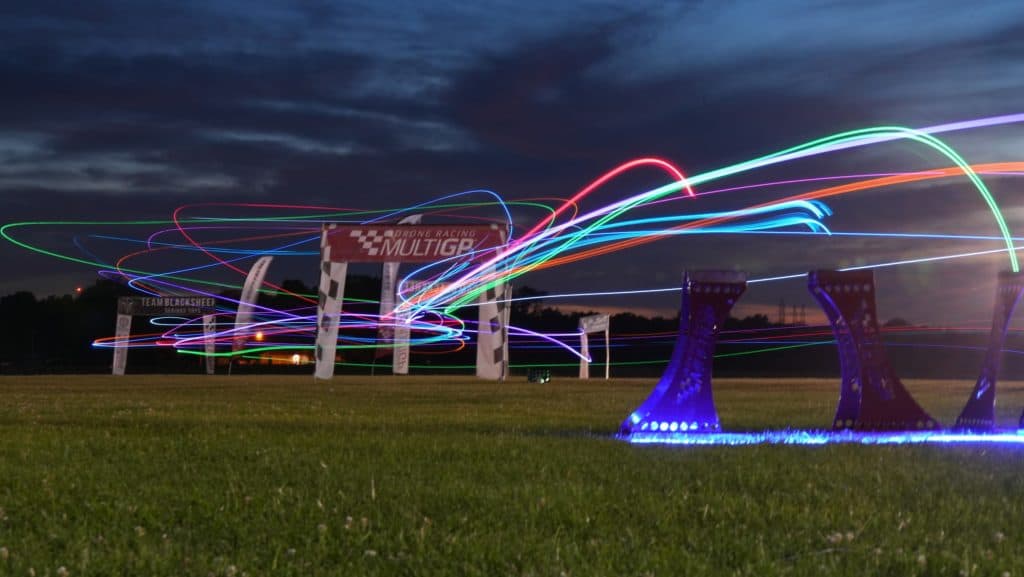
The drone racing community's most persistent administrative headache, multi-month exemption requests for night events, non-standard frequencies, and close-proximity spectator operations, got a structural fix Tuesday when the Federal Aviation Administration published its implementing notice for Section 927 of the FAA Reauthorization Act in the Federal Register.
The notice, dated April 1, 2026, establishes how the FAA intends to interpret and apply Section 927 authority, which replaces the older exemption model with a streamlined waiver process capable of granting regulatory relief to entire classes of unmanned aircraft system operations. For a sport where a single night racing event historically required months of paperwork before a single gate could be set, the shift is significant.
The practical upside for sanctioned leagues is the prospect of program-level approvals. Under Section 927, a race series that runs the same operational profile across multiple dates and venues could apply for a standardized waiver covering that entire profile rather than reapplying case-by-case for each event on the calendar. The FAA's notice specifically cites the potential for a single waiver template to address recurring operations such as night racing with defined mitigations, an approach that could compress a sport-wide approval backlog that has long frustrated league directors.
The implementing notice also establishes a clearer picture of the safety evidence the agency expects applicants to present. Rather than event-specific promises, the FAA is signaling demand for programmatic, measurable mitigations: operational risk analyses, electronic conspicuity systems, geo-fencing protocols, radio-frequency management plans, certified observer programs, robust lost-link contingencies, and documented pilot and crew training records. Race directors who have kept rigorous incident logs and equipment reliability data will find themselves positioned to move quickly once templates are available.
A third implication extends beyond the pit lane. Manufacturers, timing and telemetry providers, and broadcast partners that can document the reliability and safety of their systems may be eligible for inclusion in waiver packages, potentially removing separate approval burdens for commercial vendors operating inside sanctioned events. The Federal Register background discussion frames this as part of the FAA's broader intent to accelerate commercial UAS capability while maintaining safety oversight.
Aviation regulatory firm Hogan Lovells has already begun summarizing the notice for clients, with practitioner guidance stressing that similar operations can now be handled as a program rather than through repetitive individual exemptions, though a strong documented safety case remains non-negotiable under the new framework.
The April 1 publication opens a transitional period during which the FAA is expected to release templates, examples, and administrative guidance needed to process Section 927 applications. Race directors with events on the summer calendar should use this window to inventory every deviation their events require from Part 107, Remote ID, and Part 89 rules, compile operational data demonstrating repeatable mitigations, and consult an aviation regulatory attorney to draft a waiver profile applicable across similar events.
The new framework does not eliminate the safety documentation burden; it restructures it. A league that builds one strong programmatic safety case instead of filing dozens of ad-hoc exemption requests will find the administrative math has fundamentally changed.
This article was produced by Prism’s automated news system from verified source data, official records, and press releases, then run through automated quality and moderation checks before publishing. The system is built and supervised by the people who set the standards it runs under. Read our full AI policy.
Know something we missed? Have a correction or additional information?
Submit a Tip