FAI World Games 2025 rules reveal drone racing strategy and format
FAI’s World Games 2025 format turns drone racing into a bracket test: qualify cleanly, survive elimination, and win with control over reckless pace.
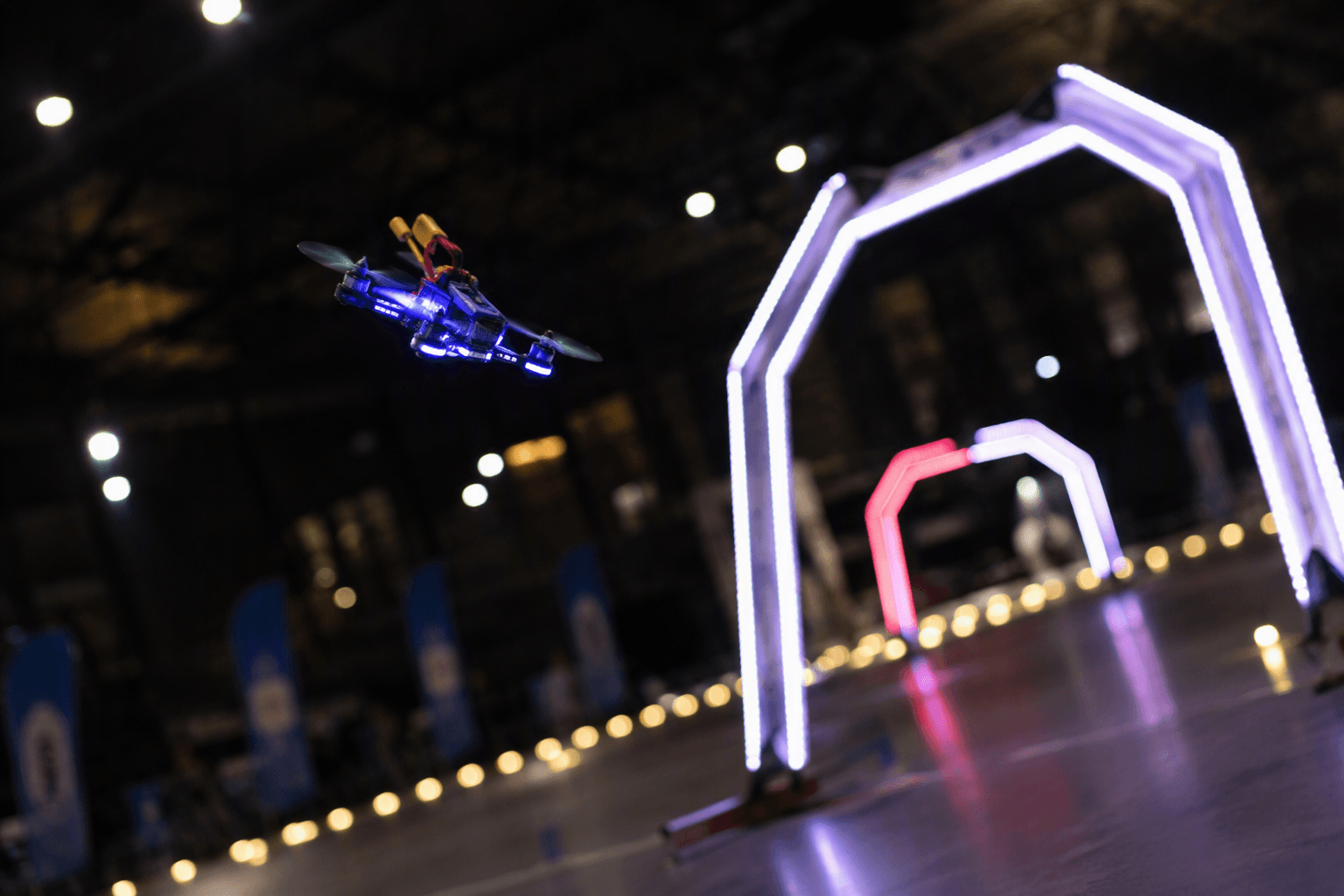
Fans who judge drone racing by raw speed miss the part that actually decides medals: the format punishes one mistake harder than it rewards one burst of pace. The FAI’s World Games 2025 rules make that clear, because the race is built around a qualification stage, then an elimination stage that strips away anyone who cannot combine speed with restraint.
How the bracket changes the race
The World Games 2025 rule set is based on the F9U class rules in Volume F9 of the FAI Sporting Code, and that matters because it frames drone racing as a tournament, not a single flying lap. Qualification sets the order, then elimination heats keep cutting the field down, so the fastest pilot on one run is not automatically the safest title bet across the full event.
That structure changes the entire competitive read. A pilot can be quick enough to advance and still lose the big moment by clipping a gate, overcommitting on a pass, or colliding in traffic. In this format, surviving the bracket is part of the skill set, not a consolation prize.
Why the conservative line can win medals
FAI’s own strategic note on the World Games rules is unusually direct: consistency matters in successive races, and a pilot may be better off flying without taking too much risk, even finishing second rather than forcing a dangerous overtake. That is the kind of detail that separates championship drone racing from the casual image of FPV as pure speed.
The logic is simple once the heats start stacking up. In a qualification round, one clean run can secure a good seed, but in elimination racing every mistake compounds because there is no second lane to recover in. A pilot who protects the drone, keeps the gates in sight, and avoids contact can outlast a faster but more chaotic rival.
Electronic timing is part of the competition, not just the paperwork
At this level, drone racing is decided in fractions of a second, which makes electronic timing central to how the sport is run. The timing system is what turns every heat into a verified result and keeps the progression fair across repeated races where one bad line can end a run instantly.
That matters even more in a format built on successive rounds. When every elimination heat depends on precision, the official timing infrastructure is not a background detail, it is part of the competitive integrity of the championship. The rulebook’s structure is designed to make sure the pilot who advances has done enough in the air, not just enough on the stopwatch.
How FAI class rules shape the sport
The World Games rules do not sit in isolation. FAI’s 2026 Sporting Code Volume F9 identifies F9U as the official class for drone racing and F9A as the provisional class for drone soccer, which shows how the federation has separated drone racing from newer offshoots inside the same sporting framework. That 2026 volume takes effect on 1 June 2026.
The earlier editions show the rulebook’s path into that structure. The 2022 Volume F9 took effect on 1 March 2022, while the 2019 edition took effect on 1 January 2019 and still described Drone Racing World Cup rules for the F9U provisional class. Put together, those editions show a sport that has been formalizing its competitive identity for years, with F9U moving from provisional status into the official class label.
Why the World Cup and the World Games are connected
FAI’s World Racing Cup page ties the Drone Racing World Cup directly to the F9U class, and it says up to two Drone Racing World Cup competitions may be organised every year in any country. That calendar matters because it spreads top-level racing across multiple international stops instead of concentrating everything into one title event.
The World Games 2025 qualification note makes the pathway even clearer. The 2024 FAI World Drone Racing Championship was part of the qualification route for The World Games 2025, alongside the FAI Drone Racing World Cup. For pilots, that means the season is not only about one weekend in one city, but about collecting the right results in the right places to earn the stage.
The venue and the public-facing package
The World Games 2025 drone racing event was held at Dong’an Lake Sports Park in Chengdu’s Longquanyi District, placing the sport inside one of the biggest multisport stages in the world. That setting matters because drone racing is still one of the most technical events in the program, yet it is being presented in a venue and environment designed for a broad international audience.
FAI’s World Games 2025 materials also included a beginner’s guide, livestream replays, pictures, and organiser information. That mix says a lot about the sport’s direction: the rules stay intricate, but the presentation is built to let new viewers follow the action without flattening what makes elite racing difficult.
The sport’s history shows how global and youth-driven it already is
FAI’s own archive from the 2018 World Drone Racing Championships in Shenzhen, China, shows how deep the field can be. More than 120 competitors took part, and the event produced a stacked international result: Australia’s Rudi Browning won the overall title, Thailand’s Wanraya Wannapong won the women’s title, and Switzerland’s Timothy Trowbridge set a new world record for speed over 100m with a racing drone.
That history matters because it shows drone racing as more than a niche showcase for one dominant flyer or one country. The 2018 field was large, the talent was young, and the margins were already razor thin. The World Games format builds on that same reality, rewarding pilots who can repeat clean, controlled laps under pressure while everyone else chases a shortcut that usually costs them the round.
This article was produced by Prism’s automated news system from verified source data, official records, and press releases, then run through automated quality and moderation checks before publishing. The system is built and supervised by the people who set the standards it runs under. Read our full AI policy.
Did this article answer your question?