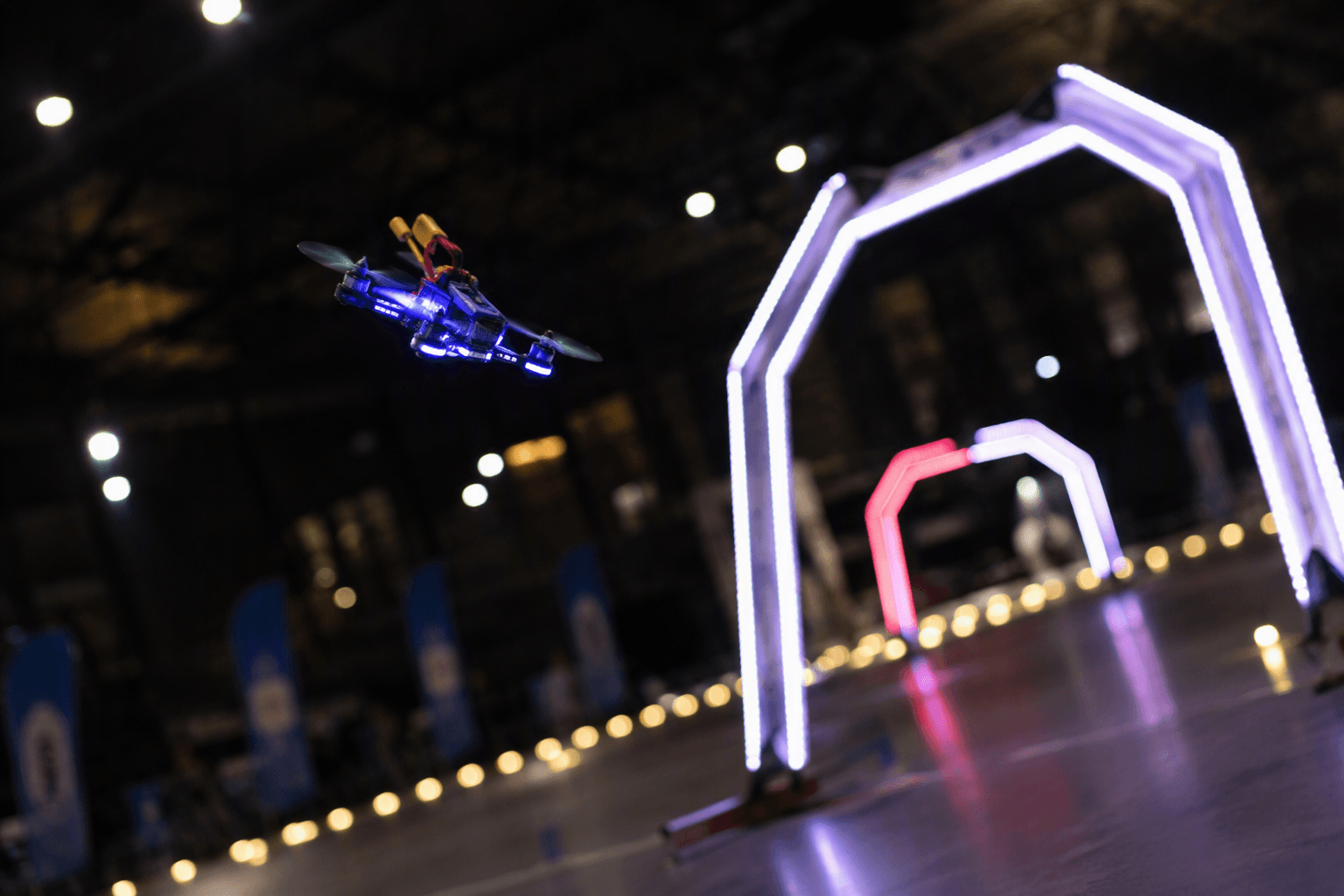
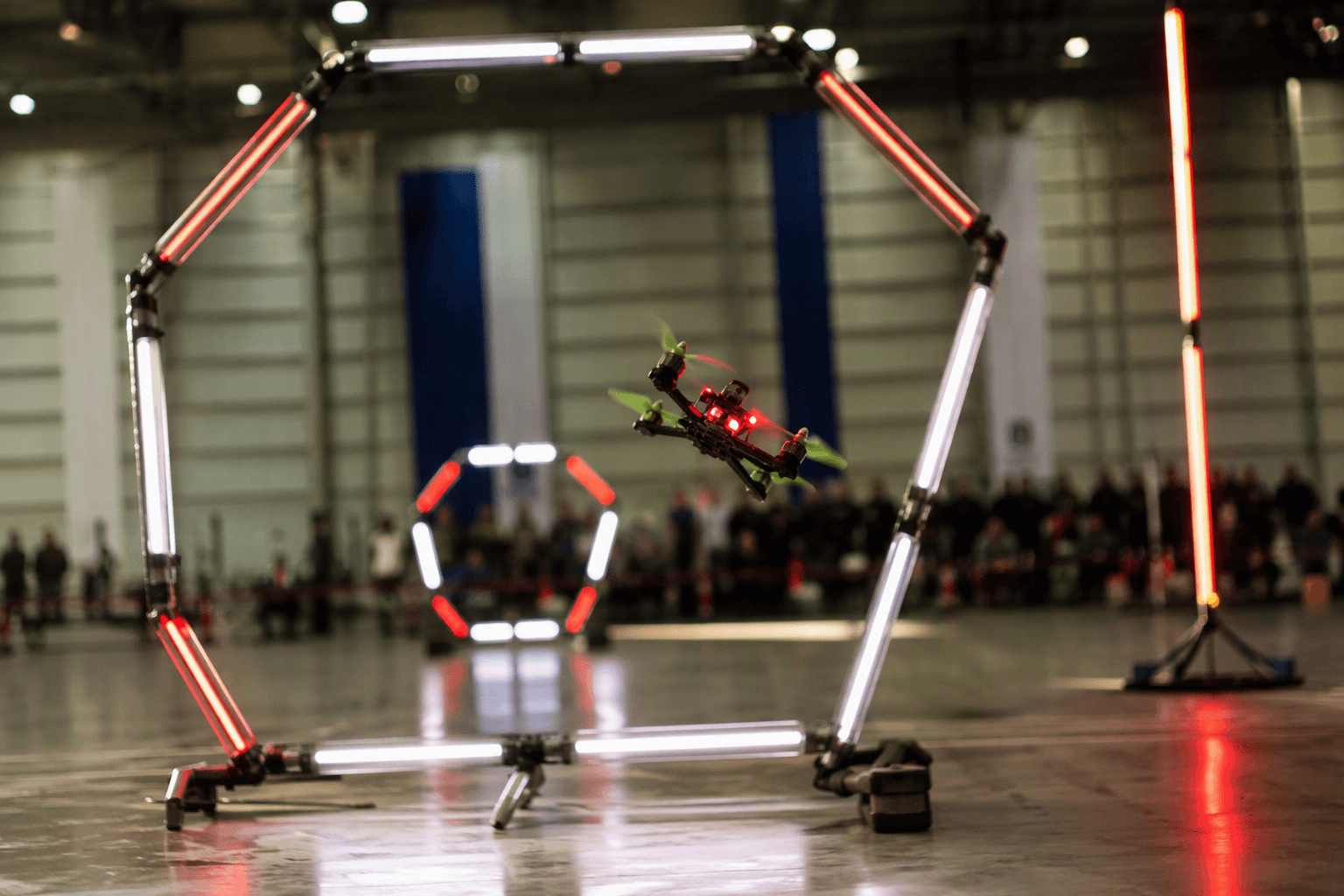
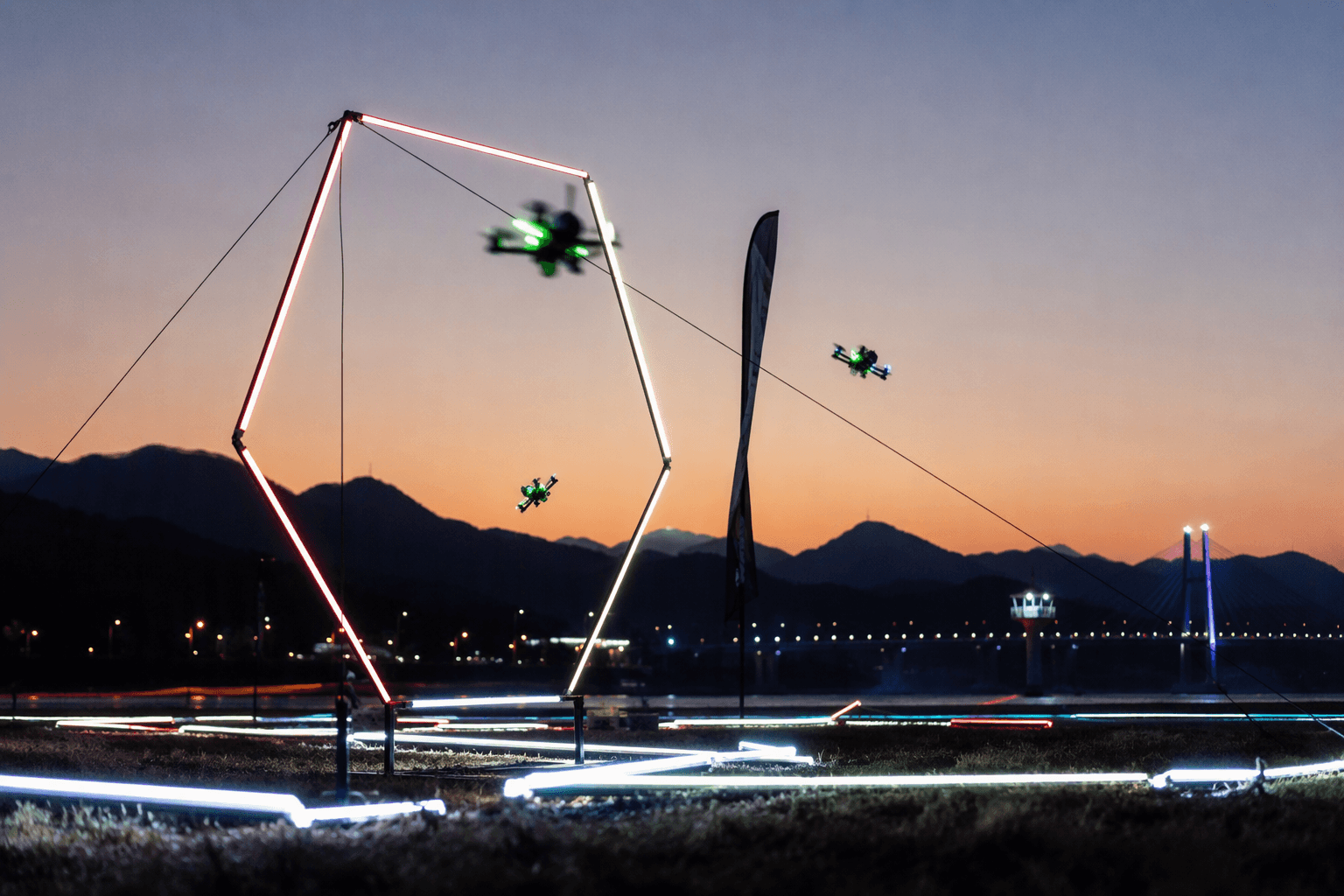
FAI World Games drone racing rules reveal strategy behind elite racing
The fastest drone is not always the winning drone. FAI’s World Games 2025 format rewards clean laps, safe overtakes, and pilots who survive the bracket.
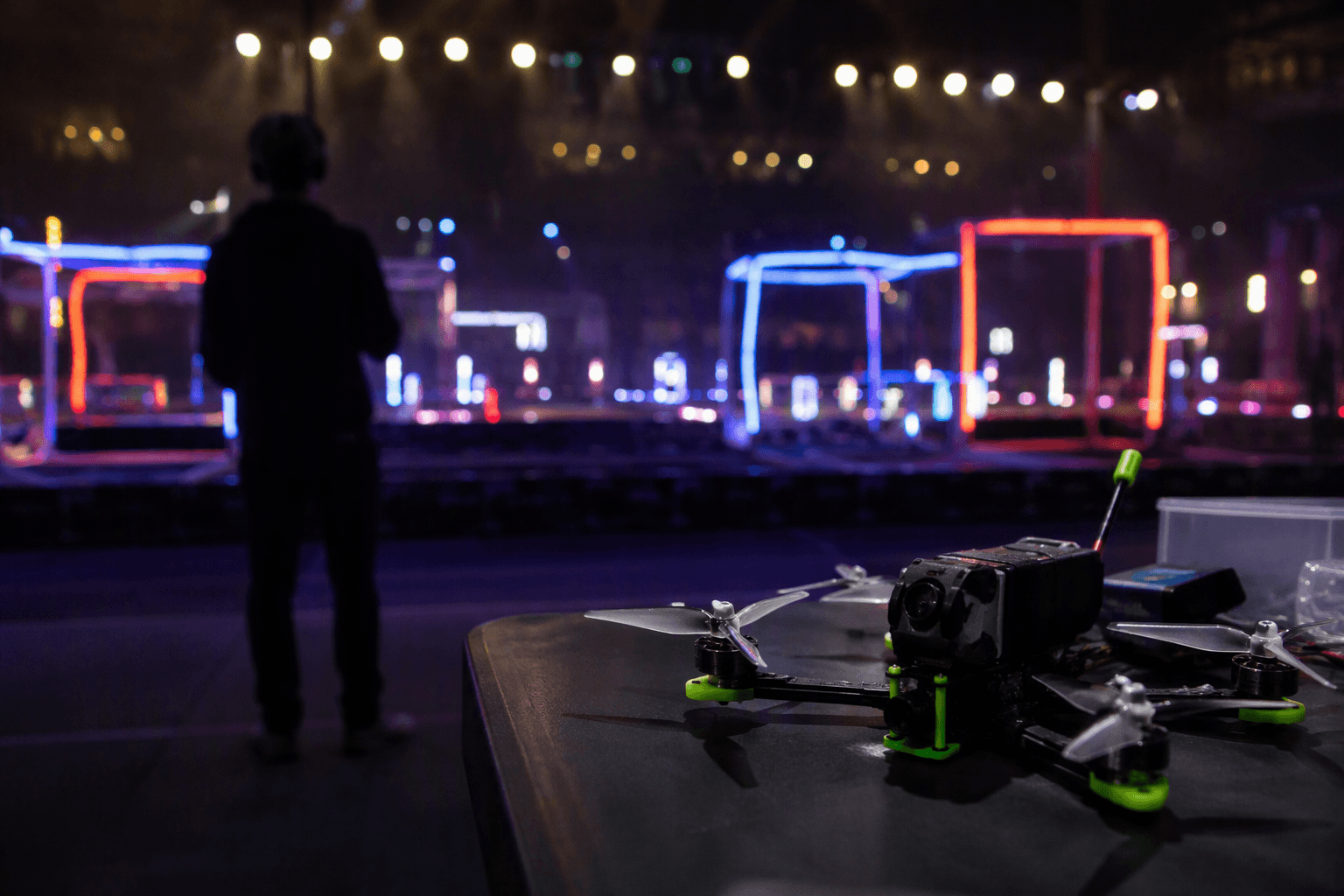
The fastest drone does not automatically win at FAI-level racing. The World Games 2025 rule set turns drone racing into a survival test, where qualifying matters, elimination heats punish one mistake, and the smarter move can be to fly conservatively rather than force a risky pass.
How the format changes the race
FAI’s World Games 2025 drone racing rules are built on the F9U class rules in Volume F9 of the FAI Sporting Code, and that matters because the event is not a single all-out sprint. Pilots first go through a qualification stage, then move into an elimination stage that steadily cuts the field down. In practice, that means raw pace is only the entry fee; the real test is whether a pilot can post a strong enough run to advance without triggering the kind of crash or missed gate that ends a heat instantly.
That structure changes the competitive math. A pilot who is a little slower but clean can keep advancing, while a faster pilot who takes one desperate line can be out before the bracket tightens. FAI’s own guidance is blunt on the point: consistency wins in successive races, and a pilot may be better off flying without taking too much risk, even if that means finishing second instead of forcing a dangerous overtake.
Why the conservative line often pays
That advice sounds counterintuitive if you come into drone racing expecting a pure drag race. It is not. Once the elimination stage starts, every heat becomes a risk-management problem, and the smartest run is often the one that keeps a pilot alive for the next round. The title picture rewards pilots who can read the field, avoid contact, and keep the drone within the course boundaries while others overextend.
Electronic timing is central to that logic. At this level, races are decided in fractions of a second, so the timing system is not just a scoreboard tool. It is part of competitive integrity, because the bracket only works if every heat is measured cleanly and every advancement is earned by time, not by guesswork.
That is why the sport can look wild to newcomers while operating like a highly structured tournament. The gates, the clocks, and the bracket all point in the same direction: survive first, impress second.
The rulebook keeps shifting, but the class stays clear
The broader FAI sporting code shows how the sport has been formalized over time. The 2026 FAI Sporting Code Volume F9, effective 1 June 2026, identifies F9U as the official class for drone racing and F9A as a provisional class for drone soccer. The 2022 edition of Volume F9 took effect on 1 March 2022, while the 2019 edition took effect on 1 January 2019.
That progression matters because it shows drone racing moving from a niche, fast-evolving discipline into a codified international sport. The class designation is not just paperwork. It is the framework that keeps World Games racing, World Cup events, and championship pathways speaking the same language.
World Cup points to a wider calendar, not a one-off crown
The FAI Drone Racing World Cup sits inside that same F9U framework. FAI says the World Cup concerns the F9U class, and it allows up to two Drone Racing World Cup competitions every year in any country. That gives the sport a global, distributed calendar instead of a single annual stop-and-wait championship model.
For pilots, that means opportunities are spread across multiple events and multiple countries, which changes preparation. A strong World Cup season can matter as much as one standout championship weekend, because the sport’s elite level is built around repeated pressure rather than a single isolated run. The calendar itself rewards teams and pilots who can travel, adapt, and stay sharp across formats.
World Games 2025 was not a side show
World Games 2025 used drone racing as an air-sports event in Chengdu, China, at Dong’an Lake Sports Park in Longquanyi District. The qualification pathway was already laid out in FAI’s World Games note: the 2024 FAI World Drone Racing Championship was part of the route into The World Games 2025, alongside the FAI Drone Racing World Cup.
That setup tells you exactly how seriously the sport is being treated. World Games slots are not handed out on reputation alone; they are earned through the same elite circuit that defines the rest of the season. If a pilot wanted a place in Chengdu, the road ran through the championship and World Cup structure that FAI already uses to separate the best from the merely fast.
A sport with a real international pedigree
The 2018 FAI World Drone Racing Championships in Shenzhen, China, showed how broad the field already was. More than 120 competitors took part, Rudi Browning won the overall title, Wanraya Wannapong won the women’s title, and Timothy Trowbridge set a new world record for speed over 100m with a racing drone. That is not a small showcase sport anymore. It is a global competition where youth, national depth, and technical precision all show up on the same weekend.
Those names still matter because they show the sport’s range. Browning’s title, Wannapong’s women’s win, and Trowbridge’s speed record captured three different kinds of excellence: championship execution, category dominance, and outright pace. Together, they explain why drone racing is so hard to reduce to one stat or one lap time.
FAI is trying to make the sport easier to follow without making it simpler
FAI’s World Games 2025 drone-racing materials included a beginner’s guide, live results, livestream replays, pictures, and organiser information. That is the right mix for a sport that is easy to watch once you know what the gates and brackets mean, but difficult to master at race speed.
The product on the screen is chaos, but the structure underneath is disciplined. The guide and replay tools help casual viewers see the lanes and the mistakes; the rules keep the best pilots from gambling the whole event on one heroic move. That is the real decoder for FAI drone racing at the top level: the pilot who wins is usually the one who knows when not to chase the flashiest line.
This article was produced by Prism’s automated news system from verified source data, official records, and press releases, then run through automated quality and moderation checks before publishing. The system is built and supervised by the people who set the standards it runs under. Read our full AI policy.
Did this article answer your question?