Hoverfly launches NDAA-compliant drone components line at Xponential 2026
Hoverfly opened Elements at Xponential 2026 with NDAA-compliant motors, ESCs and GPS modules, pulling race-critical hardware into the compliance lane.

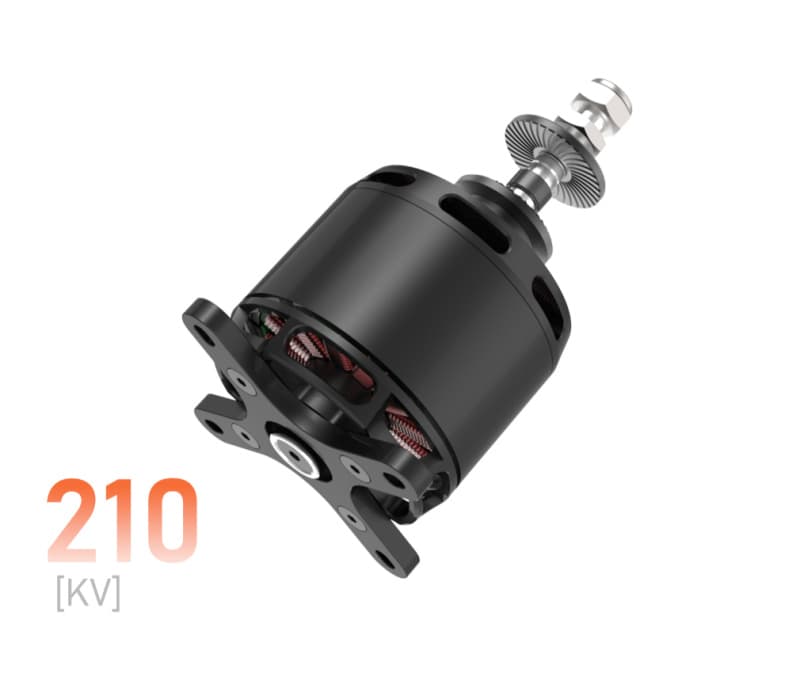
Hoverfly Technologies used Xponential 2026 to launch Hoverfly Elements, a new division built around NDAA-compliant drone components, and the first items in the line hit the same hardware categories FPV builders obsess over: motors, electronic speed controllers and GPS modules. The company said the motors and ESCs are being built with Korea Robot Manufacturing, while the GPS work is being developed with Septentrio, a Hexagon company.
That matters beyond the defense booth. Motors and ESCs decide how a quad punches out of a corner, how cleanly it recovers after a throttle stab and how much heat the stack can survive before the lap turns sloppy. Septentrio’s modules are pitched for compact OEM integration with high-precision RTK positioning, low latency, anti-jamming and anti-spoofing protection, plus compatibility with PX4 and ArduPilot. That is not race-FPV hardware in the usual sense, but it is the same language of control, signal integrity and reliability under load.
Hoverfly is also bringing credibility from the military side into the parts conversation. The company said it has sold more than 500 tethered systems to the U.S. Army, and its own defense materials now say more than 600 tethered UAS have been fielded in the Army as the Variable Height Antenna for the Integrated Tactical Network. Hoverfly Spectre is described by the company as the first and only tethered UAS cleared for the Defense Innovation Unit Blue UAS List and verified through AUVSI Green UAS, a compliance record that gives the new division an easier entry into government and institutional procurement.
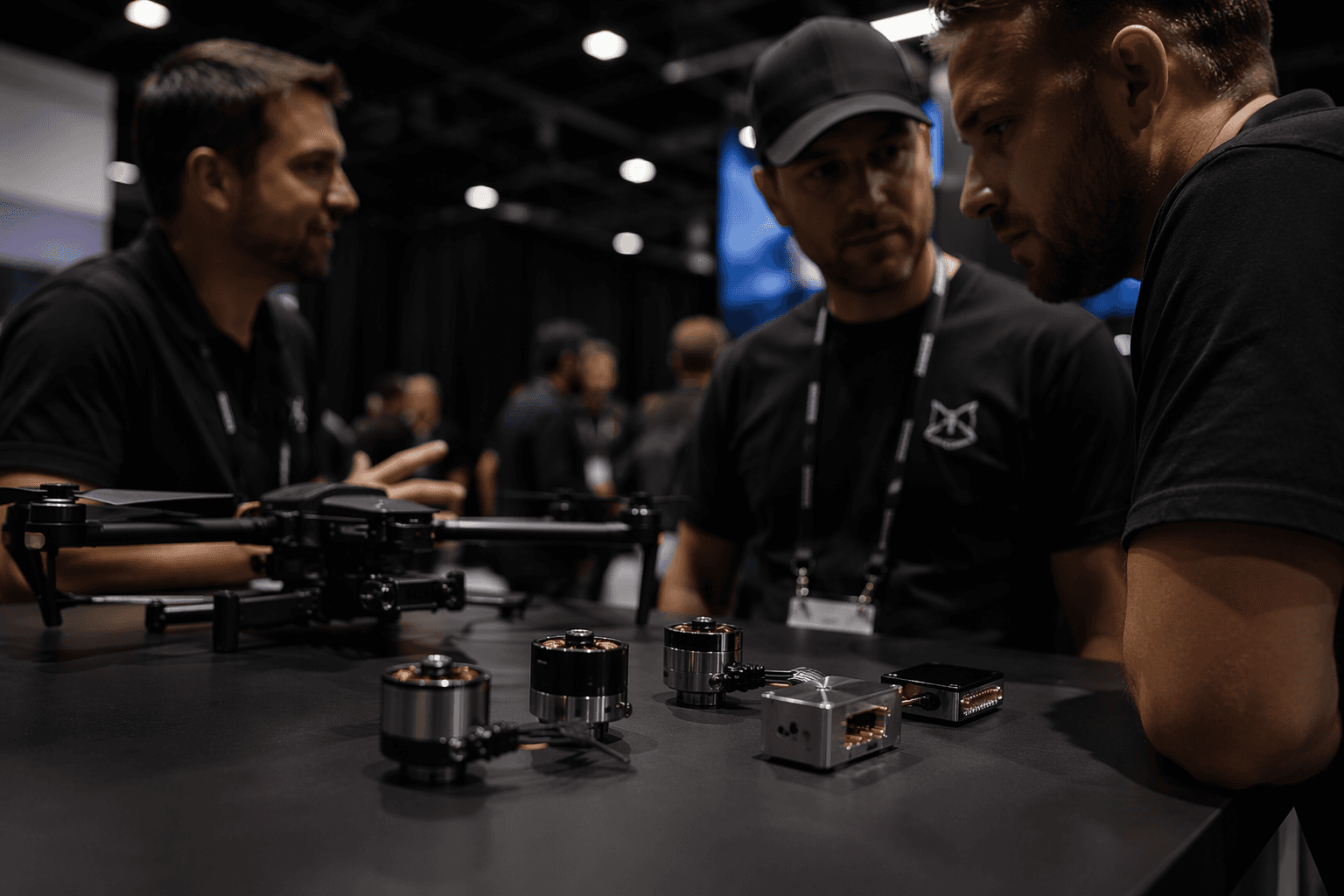
This is not a random side project. Hoverfly’s press page already tracks a progression from flight-control and tethered systems into modular offerings, including Hoverfly Motors powered by KRM, HIVE, and the Spectre certification milestones. The company has spent years pitching its tethered drones for military and security use in GPS-denied and contested environments, so Elements looks like an extension of an existing procurement strategy rather than a hard pivot.
For drone racing and FPV, the important question is not whether racers will buy these exact parts in bulk. It is whether a supply chain built for NDAA compliance, government traceability and higher-volume manufacturing starts to shape the broader market around the same core components racers use every weekend. Industry coverage put the U.S. drone components market at about $5.9 billion in 2025, with projections above $14.4 billion by 2033. If that money keeps pulling motors, ESCs and navigation hardware into tighter manufacturing lanes, competitive builders could eventually feel it in steadier availability, stricter reliability expectations and price points that move with institutional demand, not just hobby-shop churn.
This article was produced by Prism’s automated news system from verified source data, official records, and press releases, then run through automated quality and moderation checks before publishing. The system is built and supervised by the people who set the standards it runs under. Read our full AI policy.
Did this article answer your question?