Russia proposes basic-sport status for drone racing nationwide
Russia moved to elevate drone racing to basic-sport status, a step that could unlock youth pathways, regional funding, and federation clout.
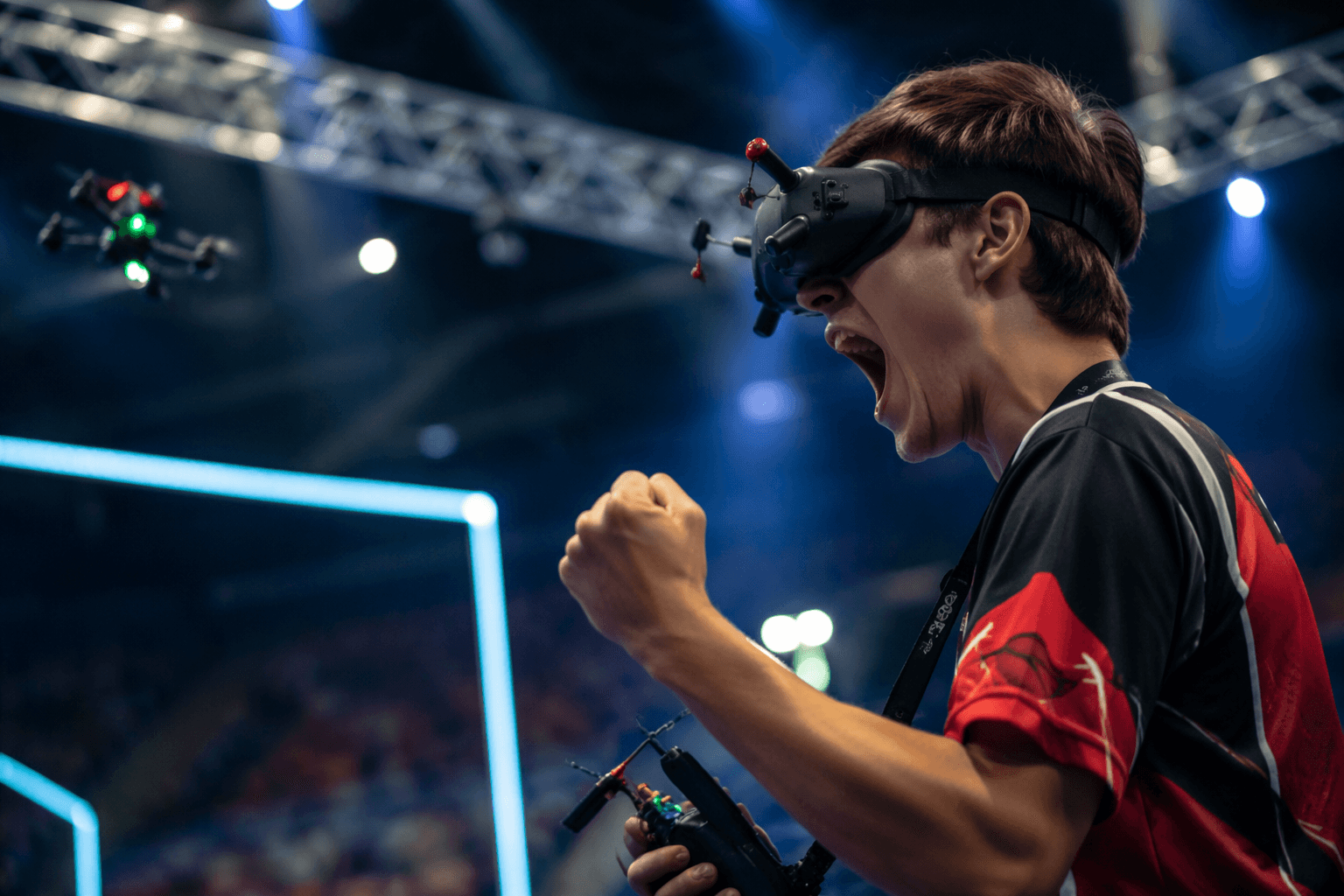
Russia’s sports establishment moved to give drone racing a deeper place in the system on July 3, when the State Council’s Commission on Physical Culture and Sports backed basic-sport status for the discipline across all regions. The proposal matters because basic-sport recognition can affect funding, coaching, and regional legitimacy, not just the label attached to a niche competition.
That push comes after drone racing was already folded into the Ministry of Sport’s non-Olympic sports structure. The ministry has an official 2026 page for “drone racing of unmanned aircraft,” and its rules were approved on October 28, 2024, amended on July 22, 2025, and reflected again in competition regulations updated on March 29, 2026. The debate now is less about whether the sport exists than how far the state wants to build around it.
The youth pipeline is the clearest sign that the infrastructure is already taking shape. Sports Minister Mikhail Degtyarev met with Ilya Galaev, president of the Drone Racing Federation of Russia, and said the first Pilots of the Future championship in 2024 drew about 6,000 schoolchildren from 80 regions. He said the second edition, launched in April 2025, had already received more than 16,000 applications, that children as young as seven will be allowed to compete starting in 2026, and that more than 30 pilots have already earned third- and second-class sports ranks in drone racing.
The federation has been building a wider institutional base of its own. It says it was established in 2022, received Ministry of Sport accreditation in December 2024, and had 68 regional offices across Russia in 2025. It also says it is developing unified training programs, specialized training grounds in the regions, and FPV piloting schools for children and adults. That gives basic-sport status real practical stakes: it could strengthen those schools, widen the coaching ladder, and make the regional network harder to ignore.
There is already a competition scene to support that case. The Russian Drone Racing Cup in Samara drew 61 drone operators from 14 regions and ran races in Class 200 and Class 330, with individual and team events. A Moscow international competition in August 2025 brought together 16 teams from 11 countries, including Australia, Germany, India, Spain, France, Bulgaria, Turkey, Kazakhstan, Belarus, and South Korea. Drone racing also appeared at the 2024 Games of the Future in Kazan, tying it to Russia’s broader digital-sport push.
The policy question now is whether basic-sport status will expand that pipeline into schools, regional clubs, and proper facilities, or simply formalize a sport that already has rules, rankings, and federation offices without yet changing the racing scene on the ground.
This article was produced by Prism’s automated news system from verified source data, official records, and press releases, then run through automated quality and moderation checks before publishing. The system is built and supervised by the people who set the standards it runs under. Read our full AI policy.
Did this article answer your question?