Kpower expands UAV motors, adds FPV racing drone lineup
Kpower’s UAV push now includes FPV racing motors, raising the question of whether racers will get tighter response, better consistency, and more standard parts across teams.
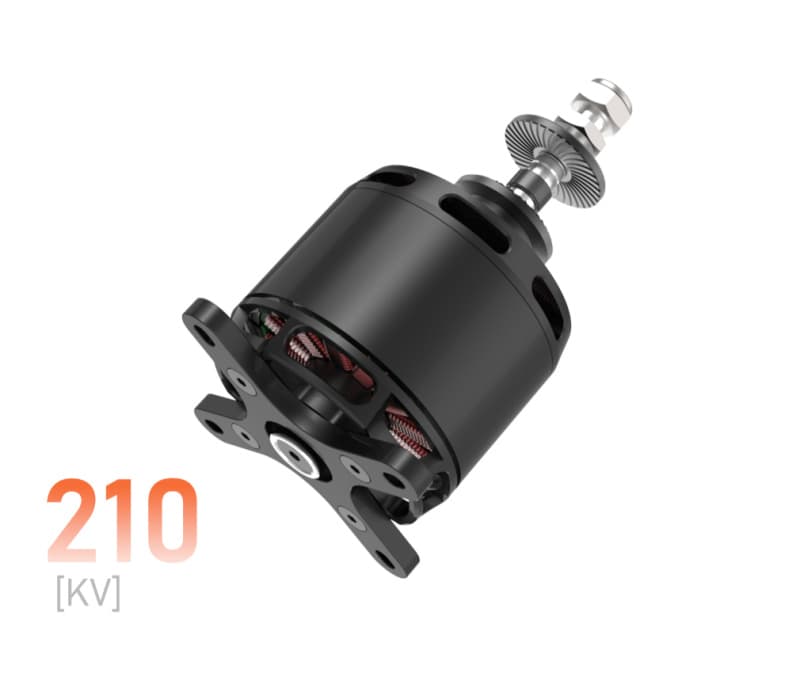
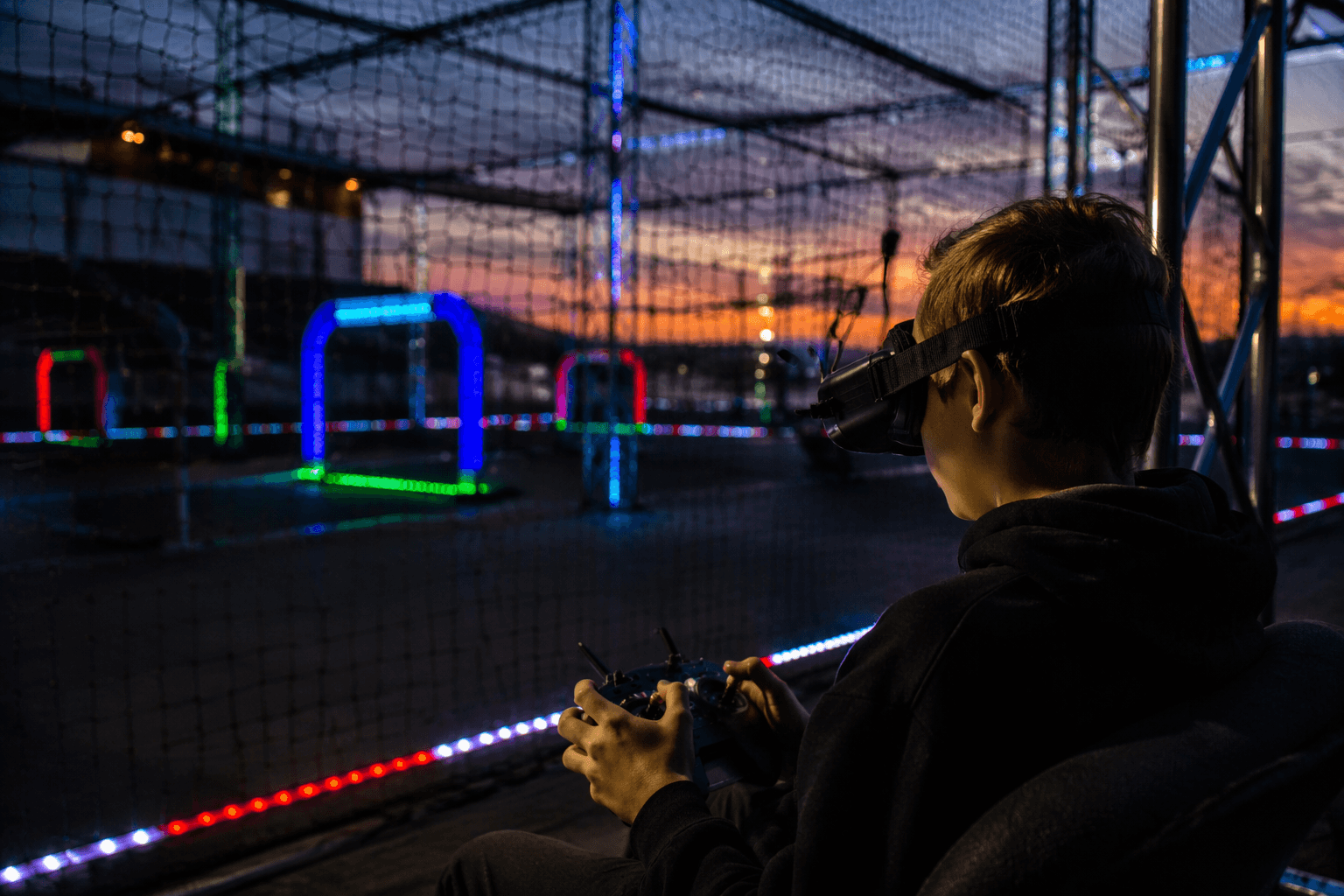
Kpower Technology Co. expanded its UAV motor and servo ecosystem on July 8, and the most race-relevant line in the rollout was not aimed at factories or logistics fleets. The Dongguan, China-based company said its new lineup includes FPV racing drone motors alongside high-efficiency drone power motors and integrated aerial-drive systems.
The move matters because Kpower is not presenting itself as a one-off component seller. The company says it was established in 2005 in Dongguan, Guangdong Province, China, and its website lists product categories that run from UAV engine and robot joint motor lines to brushless servo and brushless motor offerings. Kpower also says it supports customers from requirements assessment and R&D prototyping through mass production, while naming DJI, Dreame and SharkNinja among the industry leaders that trust its work.
Kpower repeated the same message in a July 3 press release, framing the expansion as a response to demand for high-efficiency drone power motors, FPV racing drone motors and integrated aerial drive systems for industrial and commercial applications. That makes the racing reference look like part of a broader motion-systems strategy, not a standalone hobby launch.
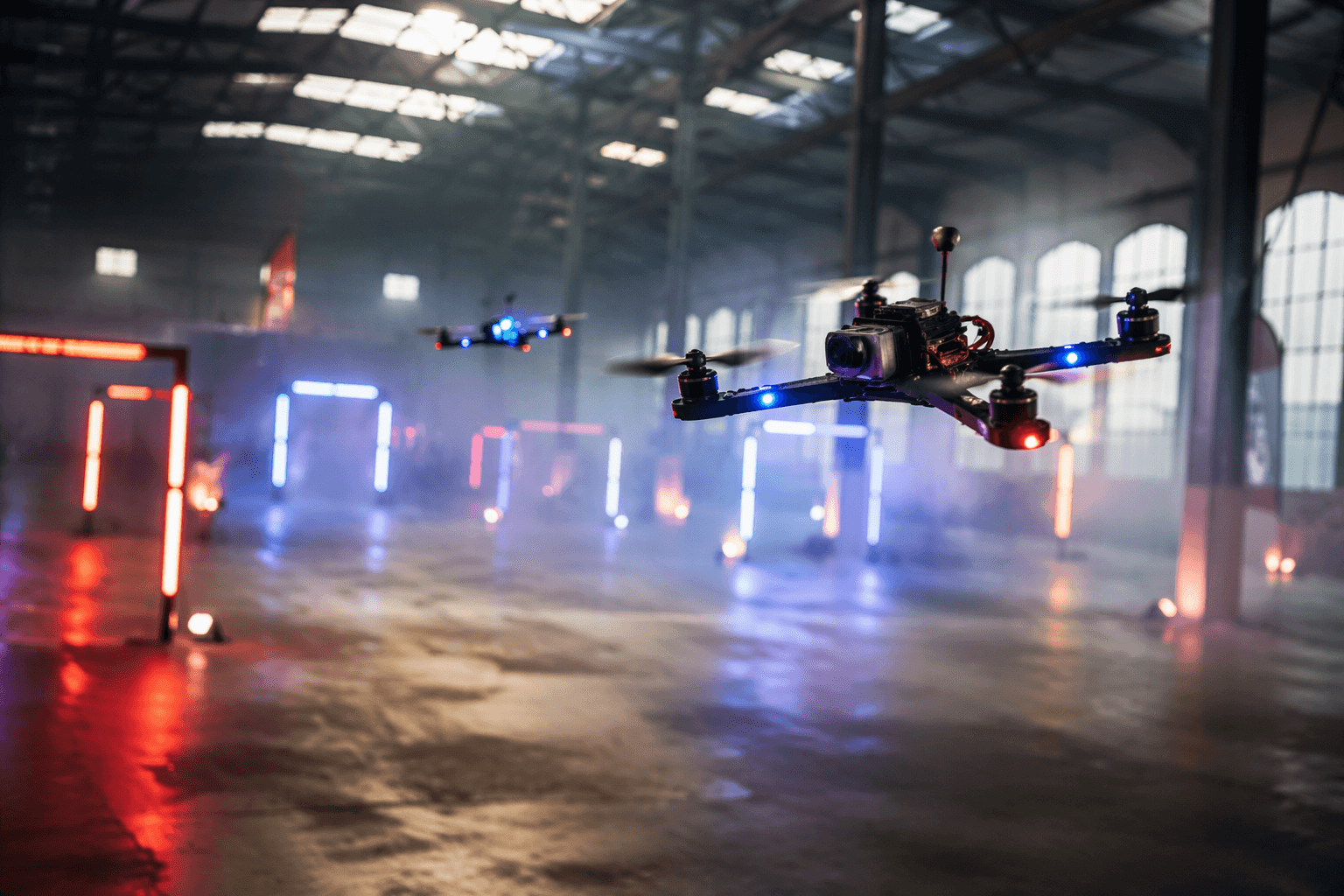
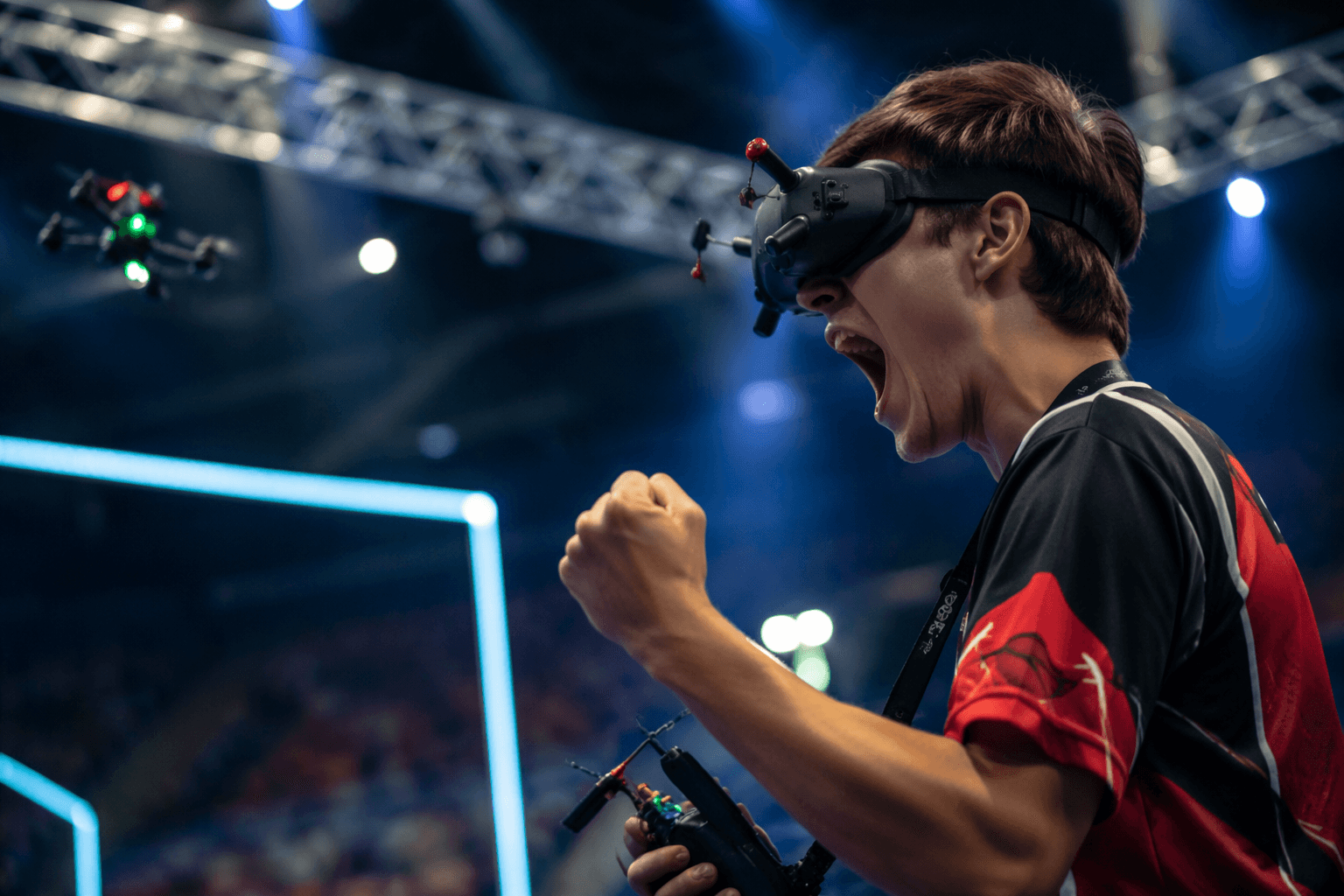
For FPV racing, the hardware question is never just whether a motor spins. Racers care about thrust response, servo precision, durability under repeated punch-outs, and how well a build holds together after hard recoveries and full-throttle dives. MultiGP, the largest organized racing league in the sport, says its class specifications standardize battery voltage, motor size, propeller size, weight and other equipment limits so pilot skill, not hardware chaos, decides the result. Its rule book says the organization has more than 30,000 registered pilots and over 500 active chapters worldwide.
That scale gives suppliers a clear incentive to treat racing parts as a serious category. A manufacturer that can keep motor batches consistent and scale production without drifting on quality can affect how teams build, tune and budget for the season, especially when spare-parts standardization becomes part of the competitive edge. The broader engineering logic also lines up with recent research: a 2025 MDPI paper on UAV motor optimization found an optimal KV value of 116 in one high-load-ratio multi-blade configuration, reinforcing how tightly performance depends on matching motor choice to load.
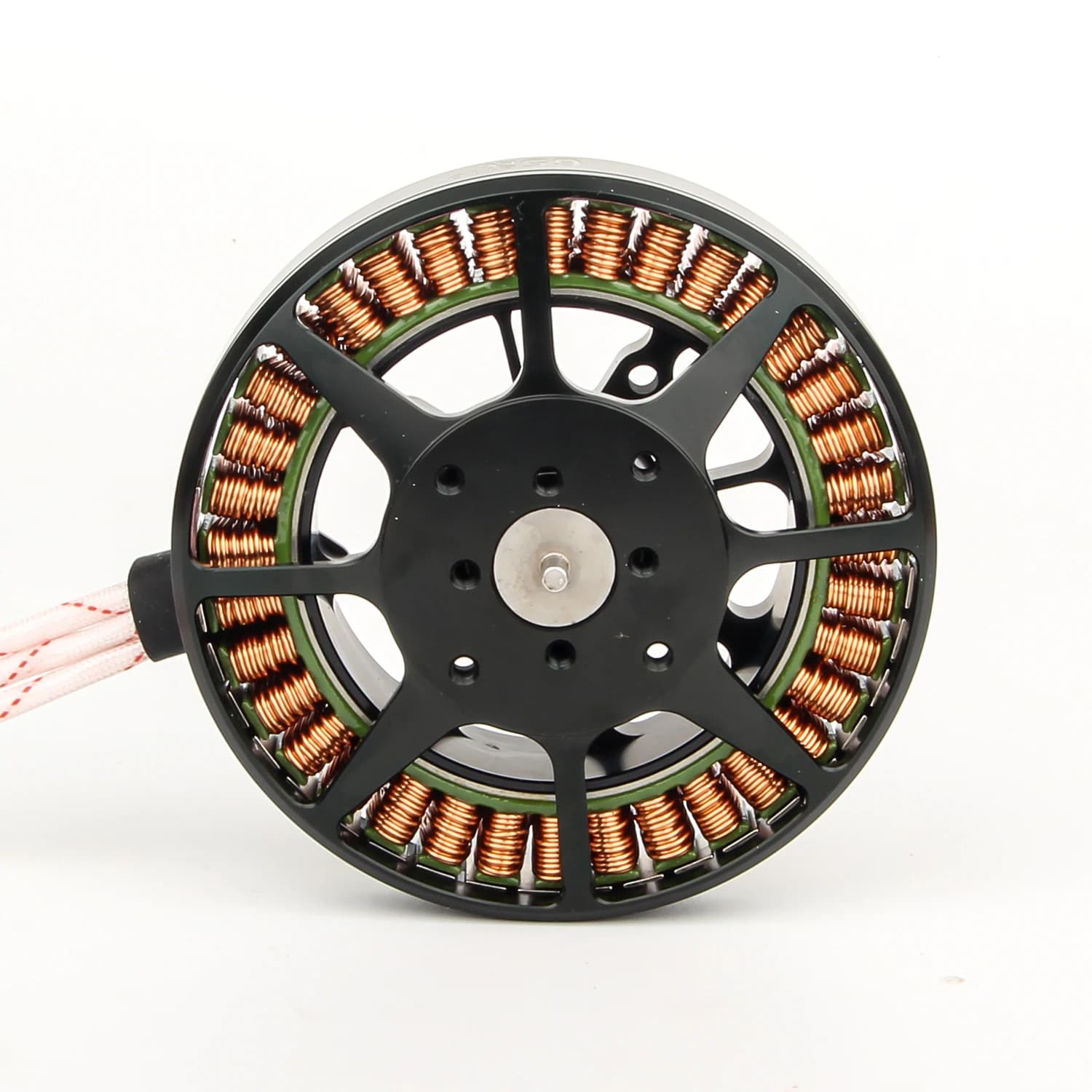
The market is already moving in that direction. FPV Know-It-All notes that most 5-inch racing builds now use 6S motors, with 4S still appearing in a smaller share of setups. Research and Markets projected the FPV racing drone market to grow from $1.42 billion in 2025 to $3.15 billion by 2030, which puts Kpower’s racing-motor play inside a segment with room to fight over real hardware share, not just branding.
This article was produced by Prism’s automated news system from verified source data, official records, and press releases, then run through automated quality and moderation checks before publishing. The system is built and supervised by the people who set the standards it runs under. Read our full AI policy.
Did this article answer your question?