Red Bull drone keeps pace with F1 car at Silverstone
Shaggy’s Red Bull Drone 1 tailed the RB20 for a full lap at Silverstone, hitting 350 kph in a one-shot run that tested the edge of race-legal FPV flight.
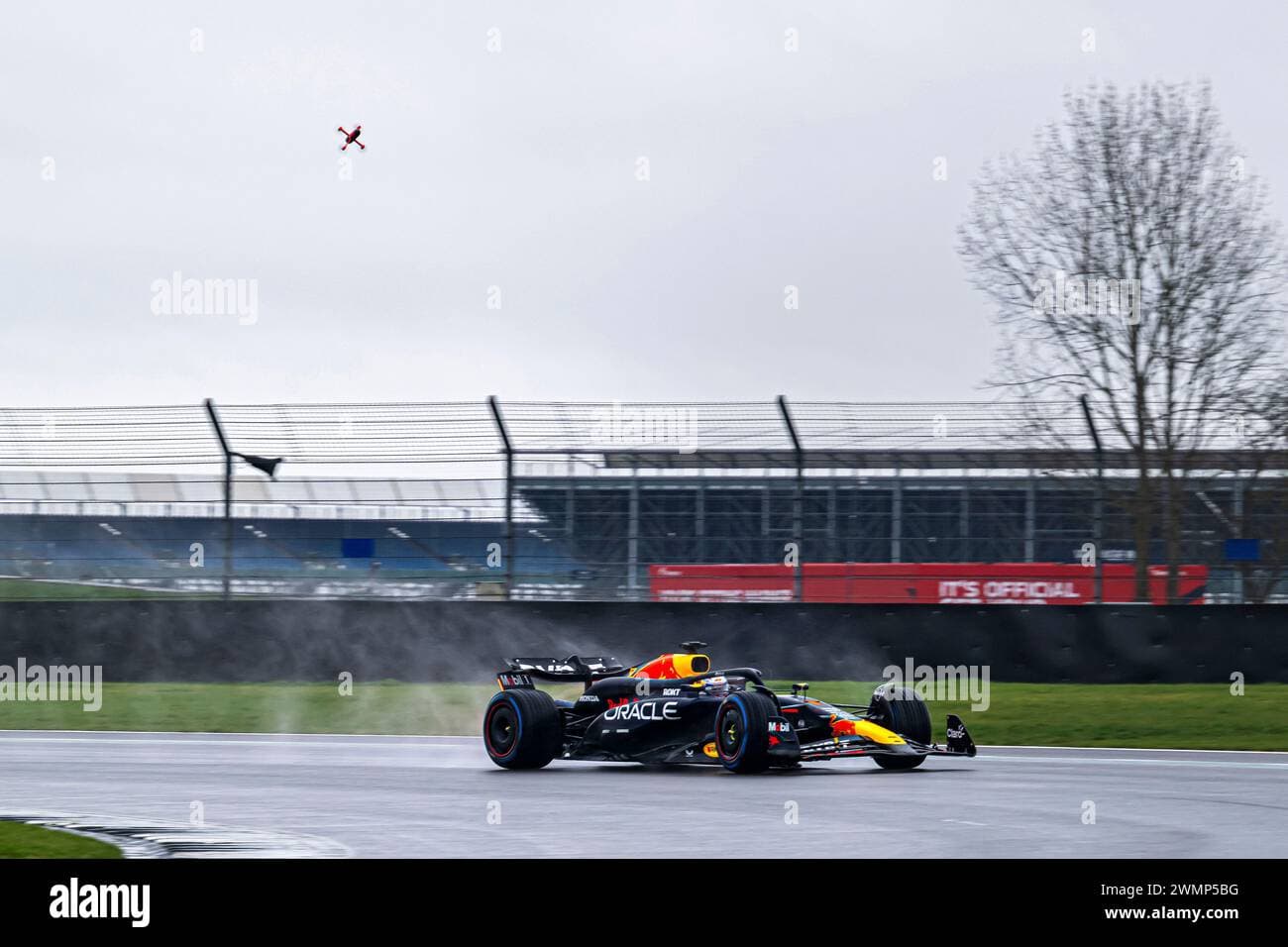
Ralph Hogenbirk, better known as Shaggy, flew Red Bull Drone 1 beside Oracle Red Bull Racing’s RB20 for a full lap at Silverstone, and the machine was built to run as fast as 350 kph while staying locked on through 18 corners. The February 13, 2024 chase looked cinematic on screen, but the real story is what it asked of drone racing: battery endurance, acceleration out of turns, control precision in turbulence, and enough thermal headroom to avoid turning a record run into a fireball.
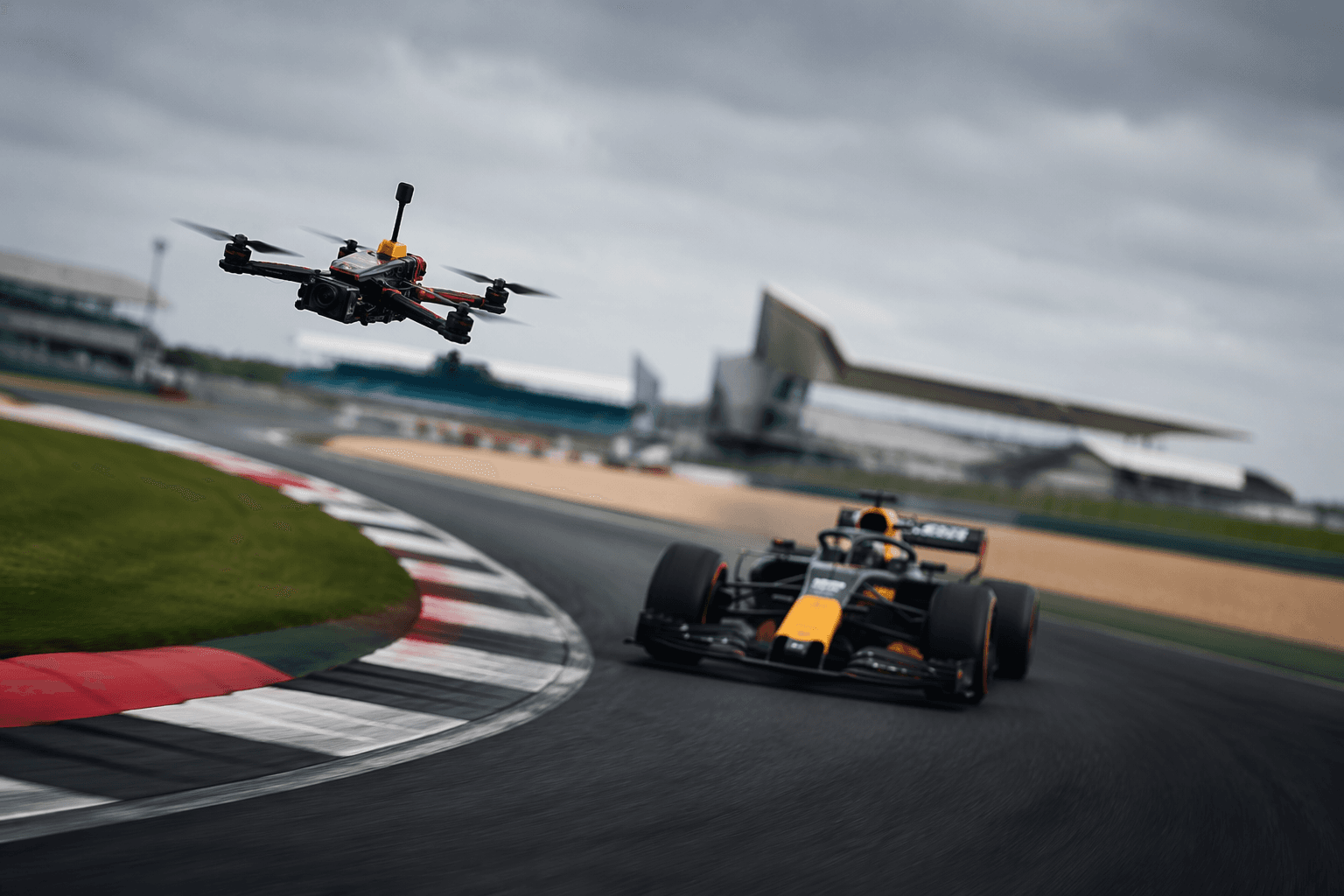
Red Bull says the drone could jump from 100 kph to 300 kph in about two seconds, while AV Interactive reported a maximum load of 6G and an average of 2 to 3G on the body. The craft weighed under 1 kg and carried a 4K60fps and 5K30fps camera with 10-bit color, which is the part that separates this from a pure speed missile. Earlier fast drones could flirt with 370 kph, but they were stripped-down rockets with tiny batteries and no filming gear. Red Bull Drone 1 had to do the harder thing: keep up with an F1 car over the Silverstone Grand Prix Circuit’s 5.8 km to 5.89 km lap distance while holding usable footage.
That is where the race-legal argument really starts. Straight-line speed matters, but only as a way to buy time between braking points. Hogenbirk said the corners were the problem, and that is exactly the kind of workload drone racers understand. The pilot had to manage a machine that could accelerate and decelerate like an F1 car, absorb spray from the RB20, and finish a lap on battery power without overheating or losing the line. Red Bull says the shoot ended up being a single take because rain and spray made every attempt precious.
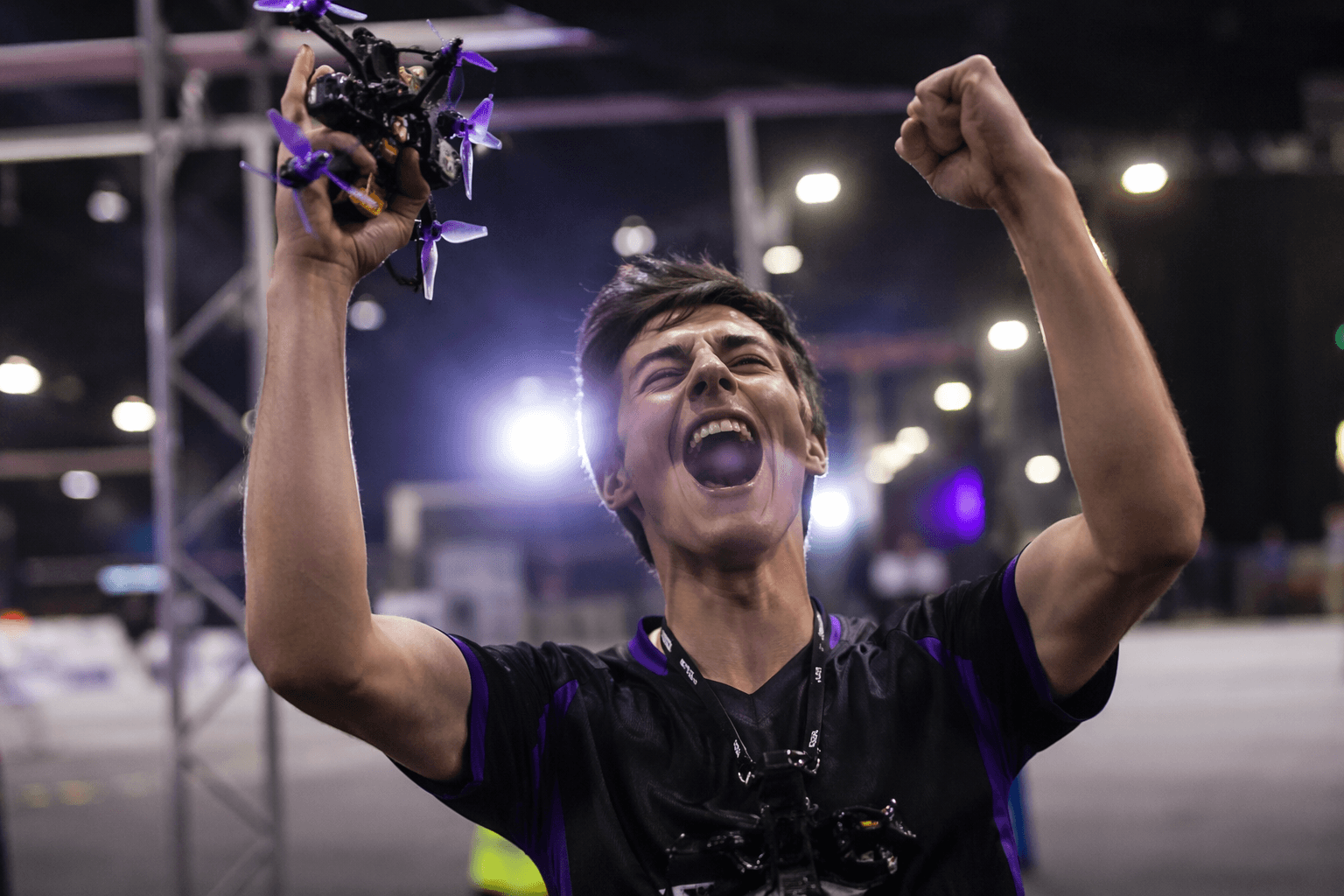
The build was not an outsider’s novelty. Red Bull says Hogenbirk had already built drones, raced in the Drone Racing League, and filmed Red Bull Valparaíso Cerro Abajo in 2020. Dutch Drone Gods said Red Bull first approached them in January 2023 and that they spent more than eight months on research and testing, while Archie Hawkes said the idea had been sketched almost five years earlier and the final build took 18 months of full-time development. That timeline matters because it shows how much engineering sat behind the chase before the camera ever rolled.
Max Verstappen said he did not even realize the drone was on him and thought it could change how people watch Formula 1. David Coulthard was equally struck by the visual speed. The run at Silverstone was part proof of concept, part flex, and part warning shot: the future of elite FPV may belong to pilots who can pair race-car speed with camera stability, but the sport will still have to decide where speed ends and safety begins.
This article was produced by Prism’s automated news system from verified source data, official records, and press releases, then run through automated quality and moderation checks before publishing. The system is built and supervised by the people who set the standards it runs under. Read our full AI policy.
Did this article answer your question?