Alex Aguera built the foil that helped launch modern foiling
Alex Aguera’s 2015 high-lift foil for Kai Lenny changed foiling from a niche experiment into a surfable, shareable setup. That leap in lift, control, and access still shapes the boards riders use now.
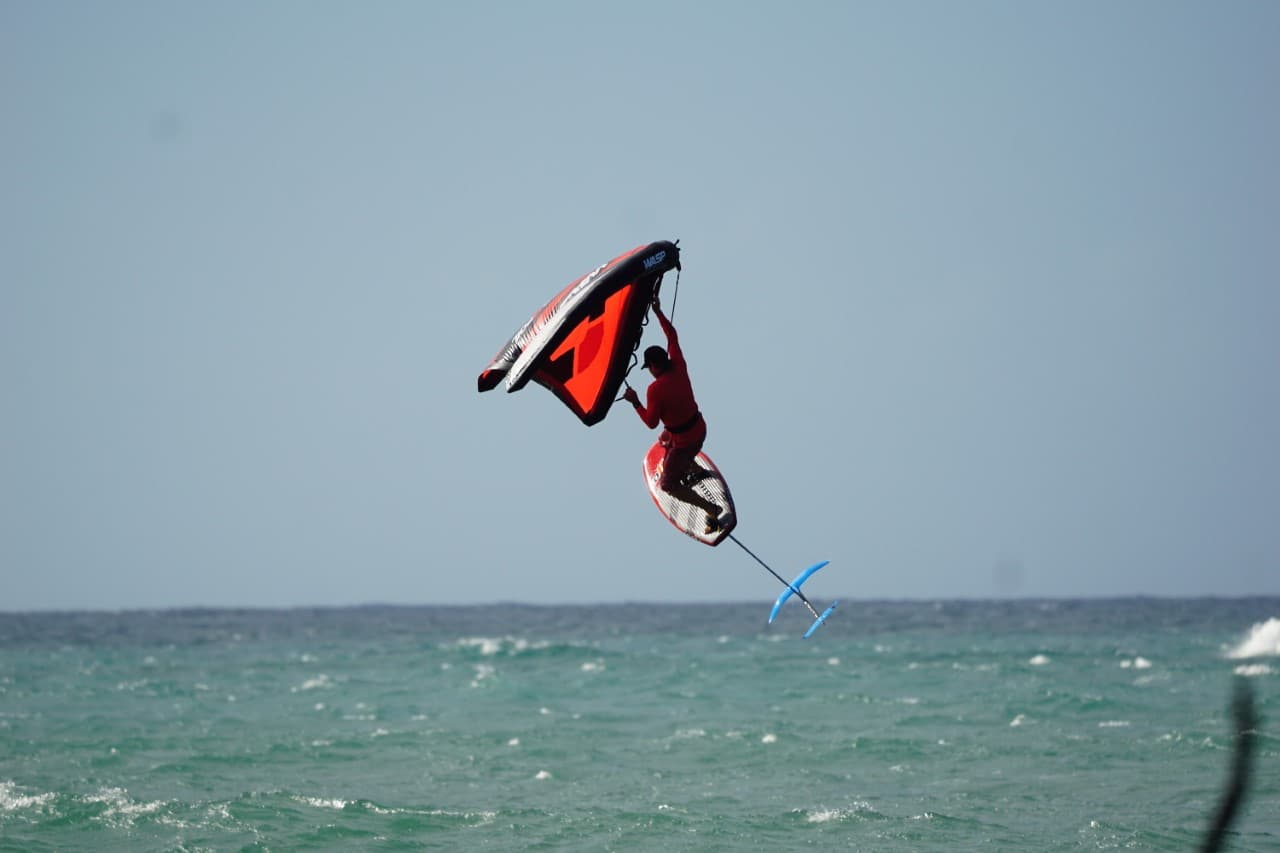
In 2015, Alex Aguera hand-built the first high-lift foil for Kai Lenny. That one-off breakthrough sat at the center of a bigger shift: foils that could carry surf, downwind, and more into a wider, more usable sport. The setup made foiling feel less like a science project and more like something riders could actually ride, learn, and repeat.
The 2015 foil that changed the ride
It gave riders a way to generate more usable lift on real water. That changed the feel of the board underfoot, especially when the ocean was not delivering clean, powerful conditions every session. More lift meant earlier takeoff, less dependence on perfect waves, and a better chance of staying elevated through weaker energy.
That shift also changed stability. A foil that held better in the water made the ride feel less twitchy and gave riders more room to link turns instead of fighting to stay up. The result was faster, more controllable foiling for riders beyond the first few specialists who could tolerate a narrow performance window.
Aguera was not working in abstraction. He was solving for what Kai Lenny needed in the water, and that rider feedback loop turned an idea into a surfable system.
Why Maui became the laboratory
Maui gave foiling a dense concentration of ocean athletes, immediate feedback, and conditions that reward experimentation. The Progression Project episode on Aguera traces those Maui sessions that sparked surf, downwind, and everything that followed, showing how quickly a prototype could be tested and refined when the right riders were in the right water.
Foilboarding had been around for nearly a decade before a conversation between two Maui watermen helped the technology take off. Hawaii Business Magazine traced that shift to Maui’s network of riders, which helped convert the concept into a real surf discipline by pairing imagination with practical ocean knowledge.
GoFoil sat at the center of that push, producing innovative products that let surfers take to the air without being tethered to a kite or sail. That separated surf foiling from wind- or kite-driven systems and gave prone and paddle riders their own lane.
From prototype to public excitement
The move from private tinkering to broad interest happened when riders could see the foil in action. The Progression Project forum post tracks two early milestones: Kai Lenny’s April 2016 video, which was critical in kickstarting modern excitement about foiling, and a later July 2016 clip showing a wave two-for-one. Video turned a local breakthrough into something other riders could study, copy, and chase.
Foils becoming available to purchase helped accelerate the spread. Once riders could buy similar hardware instead of only watching a few insiders ride custom pieces, the sport had a path into broader adoption. Innovation started moving through a market instead of staying locked inside one workshop.
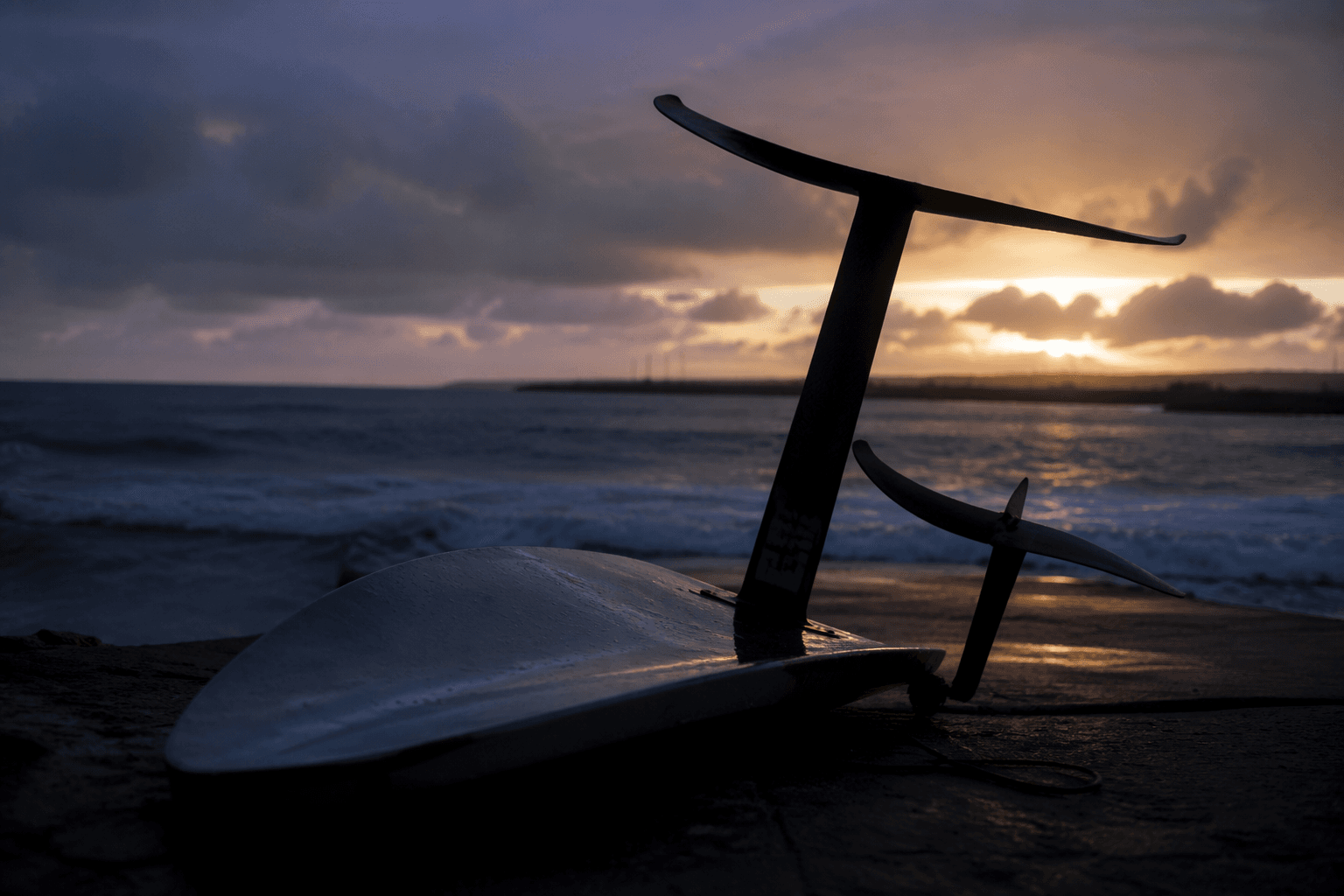
Aguera’s hand-built foil helped set the template for what riders would want from a modern foil setup: enough lift to get up early, enough stability to hold a line, and enough accessibility that the sport could expand beyond its first circle of experimenters. The gear had to work on the water, but it also had to be understandable enough for the next rider to recognize its value immediately.
How that breakthrough shows up in today’s foiling
Modern foil surfing still carries that imprint. Riders now expect a setup that balances lift and control rather than forcing a tradeoff between the two. The best boards and foils are judged by how smoothly they carry speed through soft sections, how confidently they carve, and how wide a range of conditions they can handle before the ride falls apart.
High-lift designs helped make foiling viable in smaller energy and more varied ocean conditions, which opened the door to prone foiling, downwind runs, and other disciplines that now define the sport.
A Hawaii Magazine feature on March 31, 2021 about a foil board invented on Maui marked the story’s move beyond insider chatter into a recognizable piece of ocean-sport history. The Windsurfing Hall of Fame’s dedicated Alex Aguera biography page places him among the figures now treated as foundational to the sport’s evolution.
This article was produced by Prism’s automated news system from verified source data, official records, and press releases, then run through automated quality and moderation checks before publishing. The system is built and supervised by the people who set the standards it runs under. Read our full AI policy.
Did this article answer your question?