F-One adds stiffer Titan 2 connection for 2026 hydrofoils
F-One’s Titan 2 swap is a real platform reset: carbon-mast owners need new parts, and the payoff is a stiffer, more connected foil.
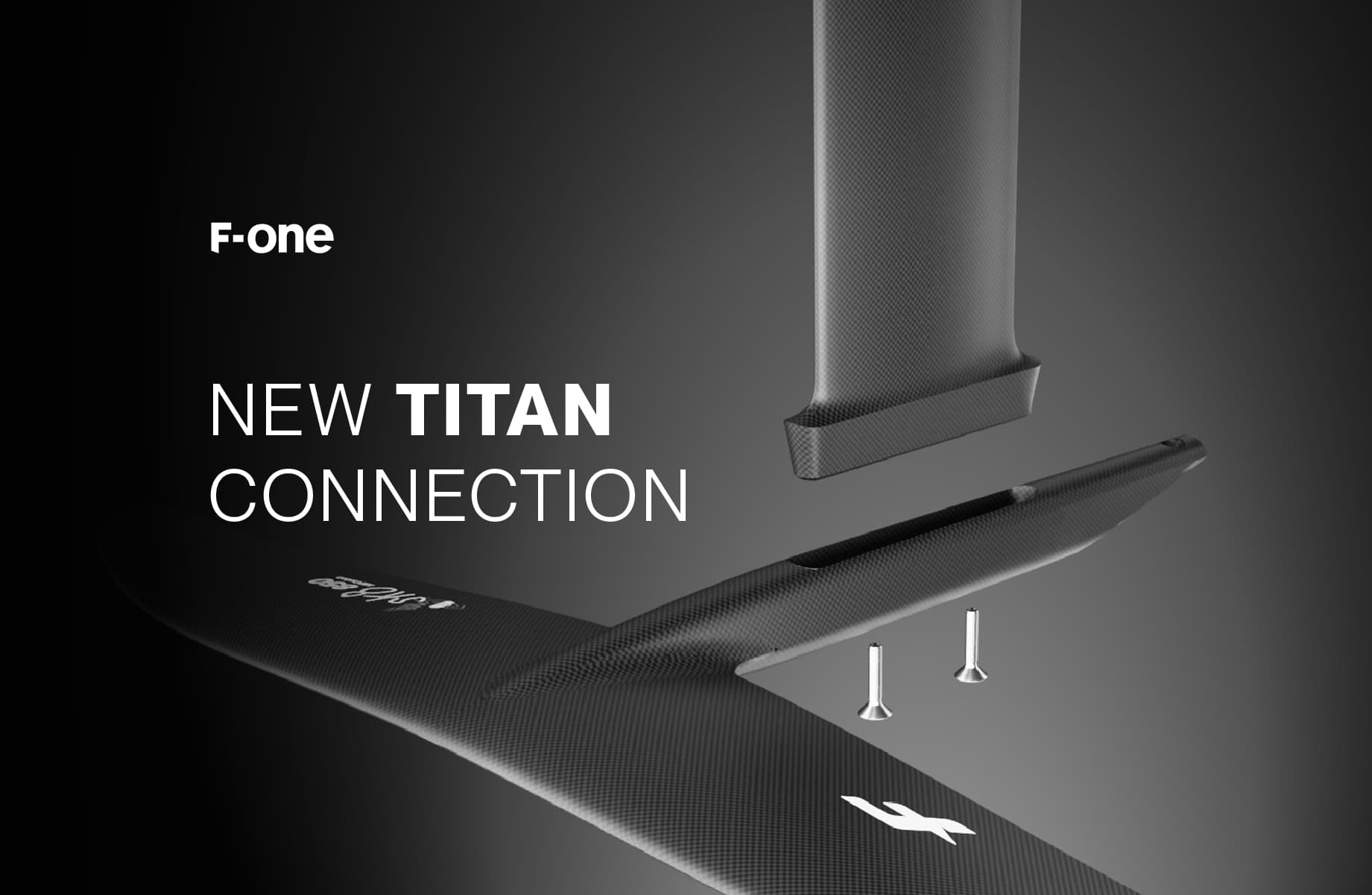
F-One’s 2026 hydrofoil range is built around a harder promise than a cosmetic refresh: every foil in the collection moved to the new Titan 2 connection, a revised mast-to-fuselage interface that the brand says cuts flex and sharpens response through the whole system. The change matters most for riders who feel every bit of give underfoot, because F-One says Titan 2 is its stiffest and most responsive connection to date.
The company also turned the switch into a genuine migration decision. Riders on carbon masts need a new carbon mast and front wing to benefit from Titan 2, with no adapter path planned because F-One says an adapter would erase the stiffness gains. Aluminum-mast owners only need a new Titan mast foot, while FCT foils are untouched because they do not use a Titan mast foot. Early access began at select shops in February 2026, after the original Titan connection had been in use for more than eight years.
That structural reset is backed by a serious mast update. F-One’s Ultra High Modulus Carbon Mast 12 comes in 75, 80, 85 and 95 cm lengths, and the company says the 12 mm mast is 25 percent stiffer in bending than the HM Carbon 14 mast. F-One also says its UHM carbon is 1.2 times stiffer than High Modulus carbon and 1.8 times stiffer than regular carbon fiber. The redesigned top plate adds a keyhole-shaped Quick-Attach System and lockable T-nut compatibility, aiming to make beach assembly faster without giving up board security.
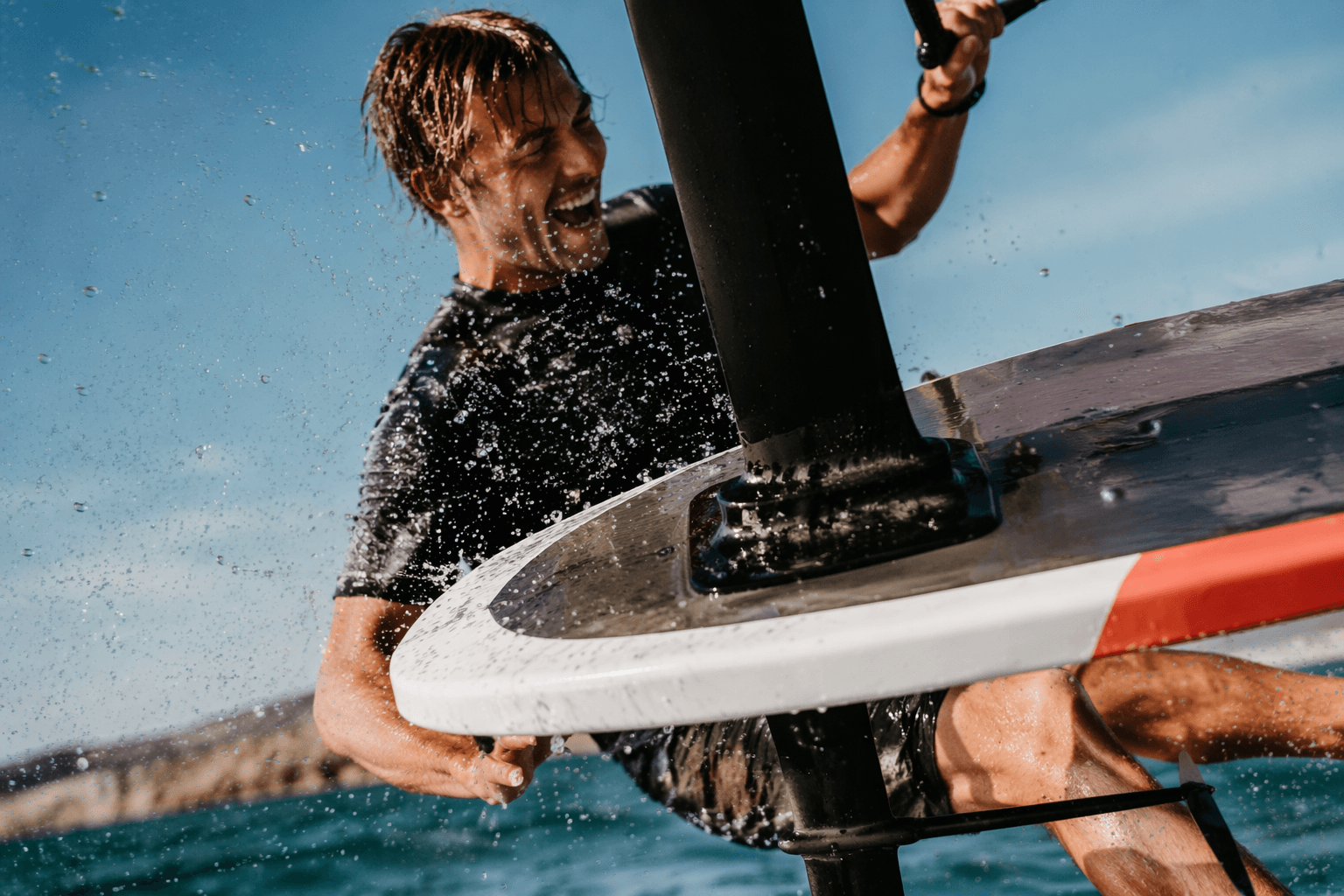
On the water, that stiffness should translate into cleaner pumping, faster response in turns and less lag when the foil is loaded hard in messy conditions. That is the practical tradeoff at the center of this launch: current owners get more control only if they are willing to rebuild around the new interface, while newcomers can buy directly into the stiffer standard from the start.
F-One paired the hardware change with wing revisions that extend the same logic. The Eagle front wing now carries an aspect ratio of 9.5 and is pitched as a performance downwind foil with early lift, reduced winglets and refined tips for better maneuverability. The company also updated the SK8 V3 front wing and expanded carving tail options, signaling a broader tune-up across the range rather than a single headline part. A review of the Eagle V2 called it the first major redesign of that wing in about five years, which fits F-One’s broader message: the next performance jump is coming less from bigger shapes than from tighter connections, cleaner load transfer and a more exact fit between rider and foil.
This article was produced by Prism’s automated news system from verified source data, official records, and press releases, then run through automated quality and moderation checks before publishing. The system is built and supervised by the people who set the standards it runs under. Read our full AI policy.
Did this article answer your question?


