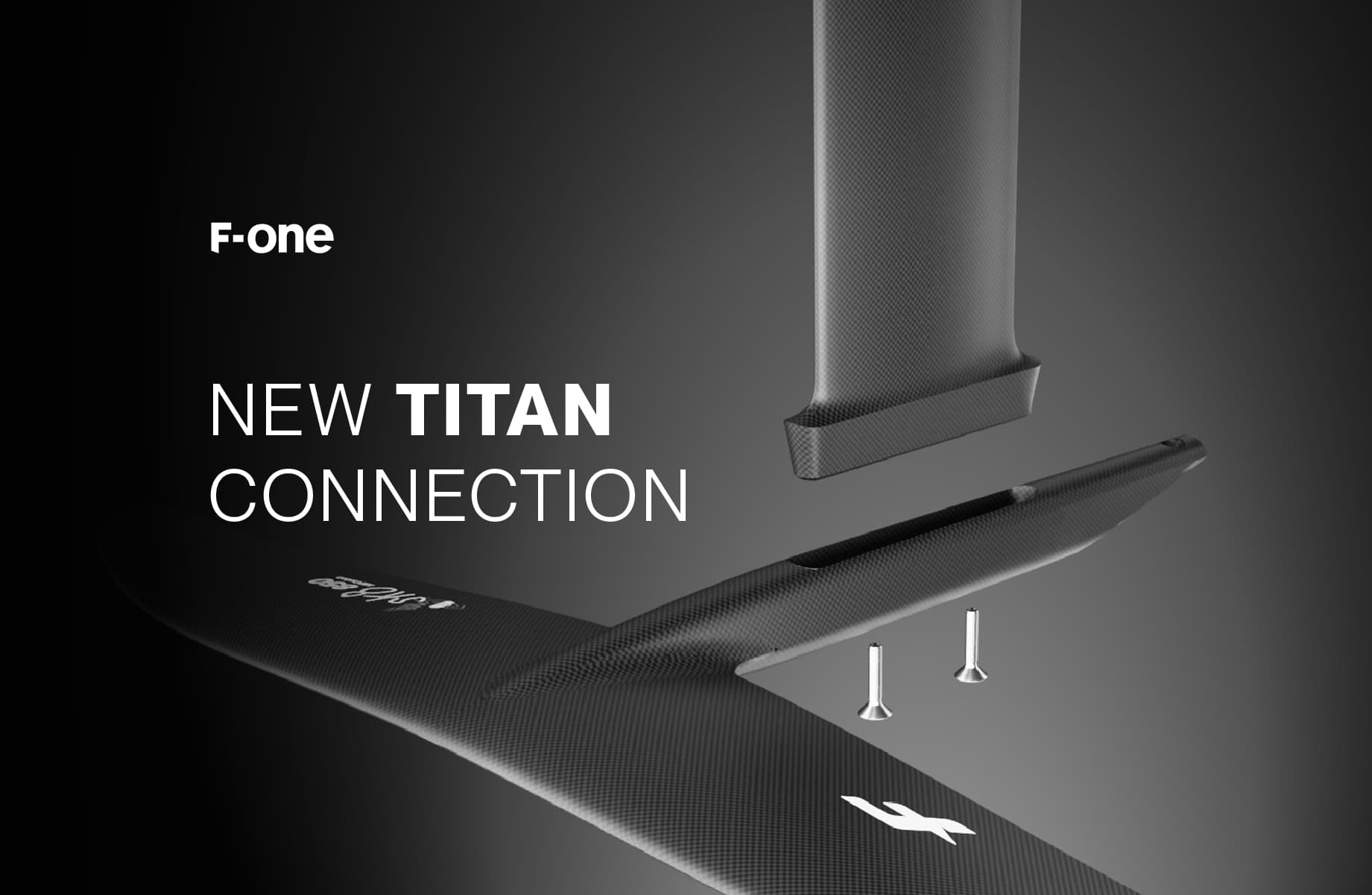
Naish Blur targets racing and high-speed freeride foil riders
Naish’s Blur is not a compromise board. With 60L and 80L sizes, it is built to plane fast, hold speed, and reward riders who can stay precise under pressure.

Naish has drawn a clean line with the Blur: this is a foil board for riders chasing speed, not a soft-edged all-around platform. The 2026 shape is pitched as a race-day tool and a high-speed freeride board, with Naish framing it as a “freerace weapon with the DNA of a slalom board.” That puts the central question right where it belongs: who actually gets faster on it, and who gets punished for asking it to behave like a casual wing board?
Built for acceleration, control, and clean exits
The Blur’s job is to get on foil quickly and stay composed once it is flying. Naish says the board is “born for pressure” and “built to win,” language that matches the board’s narrow outline, sharp rails, and race-minded shape. The result is a platform meant to give committed riders a direct connection to the foil, especially when the water is messy, the wind is gusty, and there is no time for a board that dithers before it lifts.
That directness matters because race and speed boards only pay off when they are easy to trust at pace. Naish’s own launch framing says the Blur is fast to plane, precise through transitions, and locked in when the pressure rises. In practical terms, that means it is aimed at riders who care about race-start acceleration, top-end control, and freerace precision more than they care about comfort or broad usability.
Two sizes, one purpose
Naish is offering the Blur in two versions: 60 liters and 80 liters. The smaller board is aimed at high-wind days, while the 80-liter version is built for lighter sessions. That split tells you exactly where Naish sees the board working best: the 60L for riders who want a compact, reactive race-style tool when the wind is on, and the 80L for sessions where extra float helps launch earlier without dulling the board’s speed-first character.
Noah Hoffman, Naish’s head of wing and foil product development, breaks the design down as a board built for a more direct, performance-led feel than a forgiving beginner shape. That distinction matters. The Blur is not trying to save a rider from sloppy footwork; it is trying to turn clean technique into more speed, more stability, and more efficiency once the board is flying.
The shape language is all about speed
Several design choices reinforce that mission. The Blur uses a two-stage rocker, sharp rails, and dual foil system compatibility, all of which point toward faster takeoff behavior, cleaner tracking, and a board that stays efficient when the rider is pushing hard. Naish also highlights smoother touchdown recovery, a key detail for race and speed riders who need a board that can recover quickly after a mistake instead of killing momentum.
That combination gives the Blur a very specific lane. It is compact, stiff, and efficient, with enough control to hold line through transitions and enough responsiveness to keep the rider connected to smaller, faster foils. If an all-round wing board is about broad accessibility, the Blur is about narrowing the field to the riders who can exploit every ounce of response it gives them.
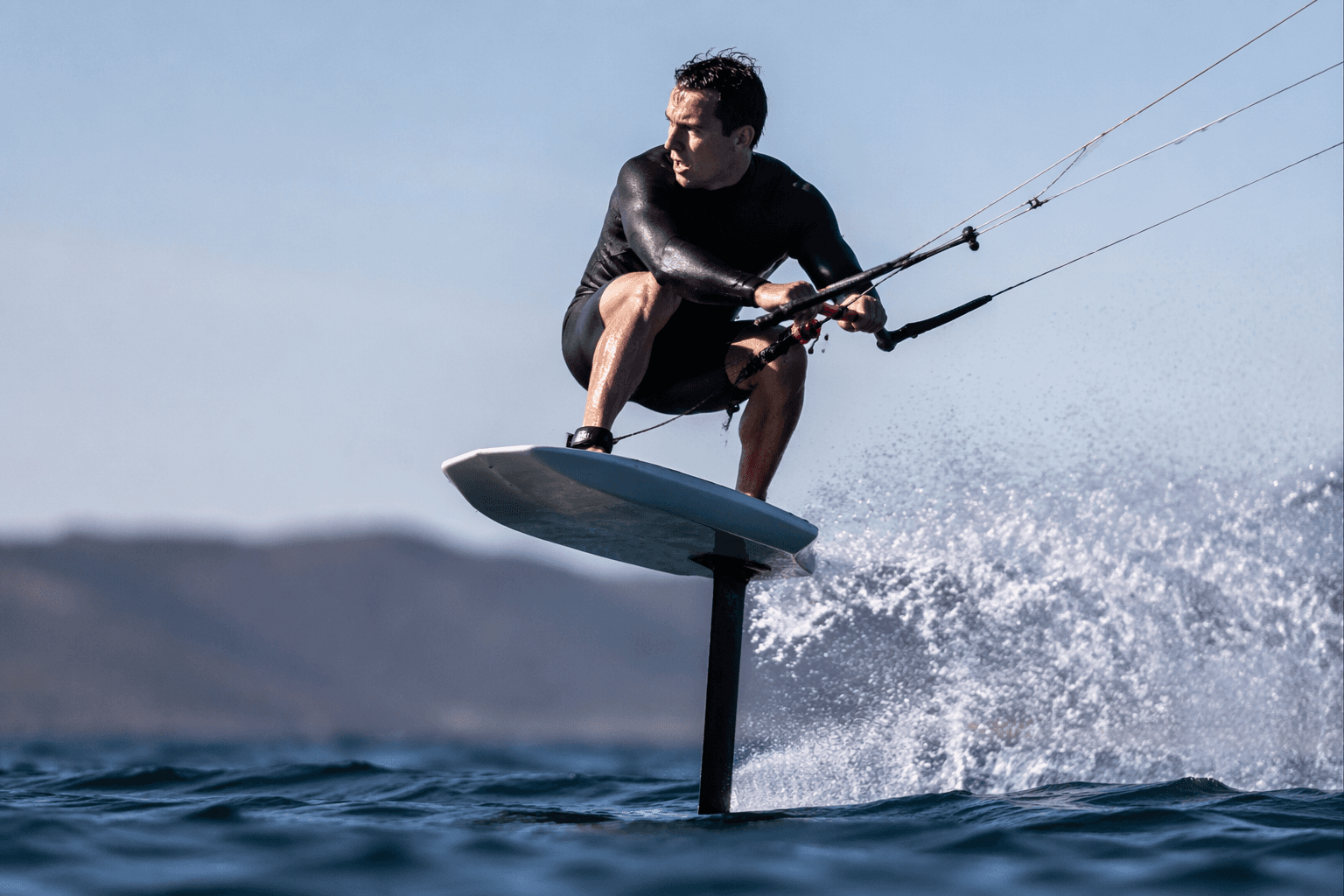
How it fits inside Naish’s 2026 foil lineup
The Blur makes more sense when placed next to the rest of Naish’s foil range. Naish says its foil boards are optimized across kite, wing, SUP, and windsurf foiling, while its wing foil boards are designed for control and lift in all conditions. Within that family, the Blur sits at the hard-performance end, while the Chimera is positioned as the brand’s all-purpose crossover board for wing, surf, downwind, and tow foiling.
That contrast is the real story. The Chimera is the board for riders who want one shape to cover more territory; the Blur is for riders who want a board that leans hard into course racing, freerace blasting, and GPS-speed-style sessions. Naish’s own positioning makes the split clear: one board broadens the quiver, the other sharpens it.
A premium board for committed riders
Naish’s broader 2026 gear rollout was set for September 4, 2025, and the Blur debuted as one of the speed-and-precision pieces in that launch wave. The timing matters because it places the board inside a larger product push that includes a more specialized foil ecosystem, rather than presenting it as a one-off shape. In other words, the Blur is part of a wider shift toward purpose-built boards and gear designed for riders who already know what kind of session they want before they leave the beach.
The pricing confirms that positioning. Naish’s foil-board collection lists the Blur starting at $1,749, and dealer listings classify it as freerace or performance freeride. That combination of premium pricing and narrow category placement says the same thing the shape does: this board is for committed foilers who want speed and precision, not for anyone looking for a forgiving all-day cruiser.
What the Blur tells you about the direction of the sport
The Blur is a useful signal for where foil design is heading at the top end. Brands are moving away from one-board solutions and toward shapes that solve a specific performance problem, whether that is early lift, downwind range, or straight-line speed. Naish has made its bet plain here: the Blur is not trying to be everything, and that is exactly why it matters.
For riders who want a board that rewards clean technique, aggressive starts, and confident control in gusty conditions, the Blur is pointed in the right direction. For everyone else, Naish has already drawn the line.
This article was produced by Prism’s automated news system from verified source data, official records, and press releases, then run through automated quality and moderation checks before publishing. The system is built and supervised by the people who set the standards it runs under. Read our full AI policy.
Did this article answer your question?