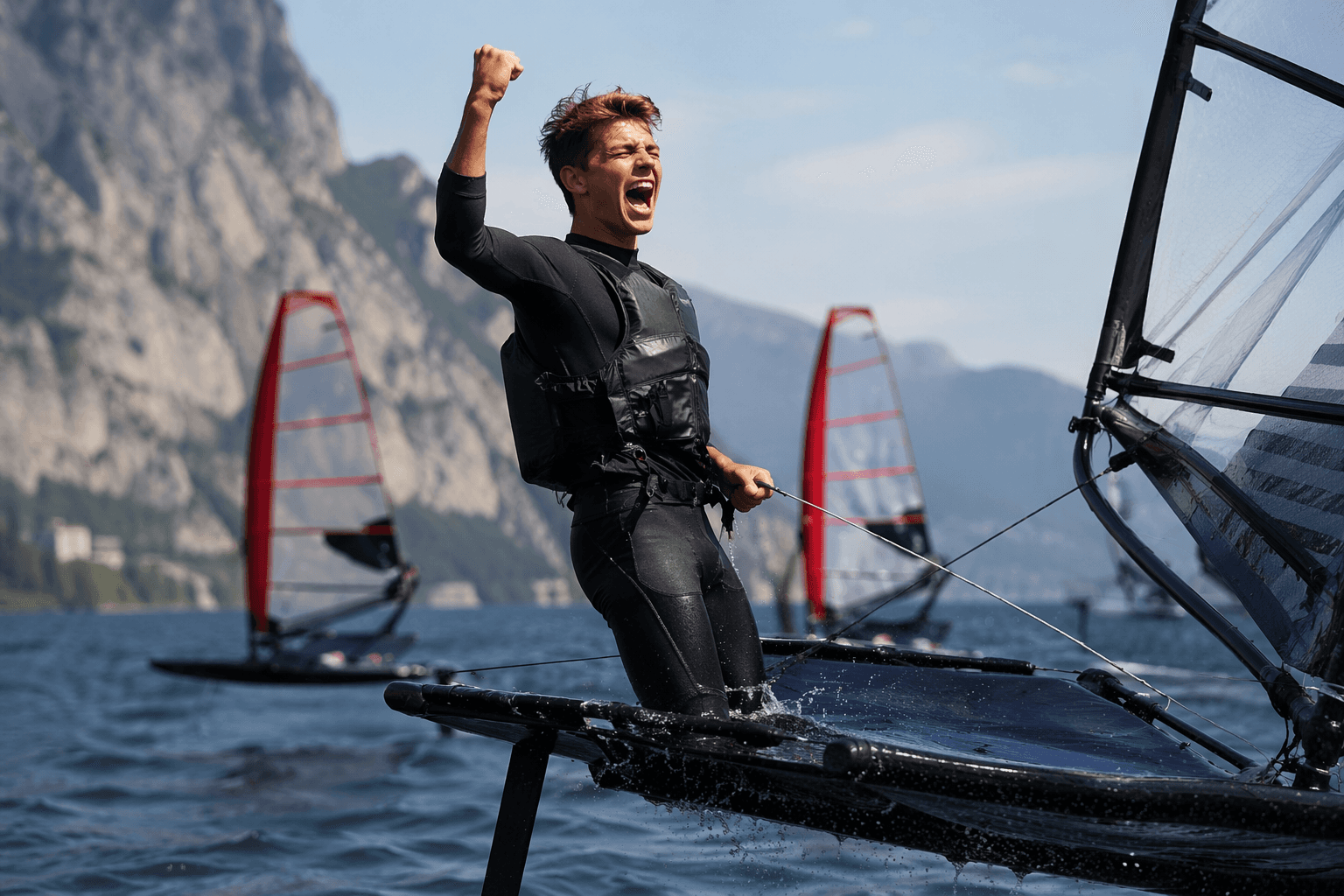
NeilPryde unveils 2026 wing range with easier tuning and better efficiency
NeilPryde cut its 2026 wing lineup to five models, led by a reworked Fly IV and a lighter FireFly Pro aimed at cleaner choices on the water.

NeilPryde’s 2026 wing range was built around a simple pitch that should matter to anyone rigging on a windy beach: fewer confusing choices, cleaner power delivery and easier tuning. At the May 13 unveiling, the brand put five models on the table, Fly IV, Fly IV Pro, FireFly, FireFly Pro and FireFly Pro SLS, and framed the collection as a cleaner split between performance freeride and all-round use.
The new Fly IV sits at the center of that plan. NeilPryde describes it as a completely re-engineered performance-freeride wing, with new leading-edge geometry, a shorter wingspan in larger sizes and a mono-handle setup meant to make the wing feel lighter and simpler in the hands. The standard Fly IV runs from 3.5 to 6.5 square metres, giving riders a spread that covers smaller, more powered sessions and bigger sizes for easier control when the wind softens. The practical value is obvious: a wing that tracks better upwind and downwind can save energy, reduce draggy transitions and make the session feel more connected from tack to tack.
On the other side of the line, the FireFly was positioned as NeilPryde’s ultimate go-to freeride wing for first flights, freeride cruising, wave-riding and jumping. It comes in sizes from 2.0 to 6.0 square metres, which gives the range a much broader entry point than the Fly IV. That breadth matters because many buyers are not just choosing between large and small, but between a wing that stays calm when learning and one that stays lively when the rider starts pushing into waves and airborne maneuvers.
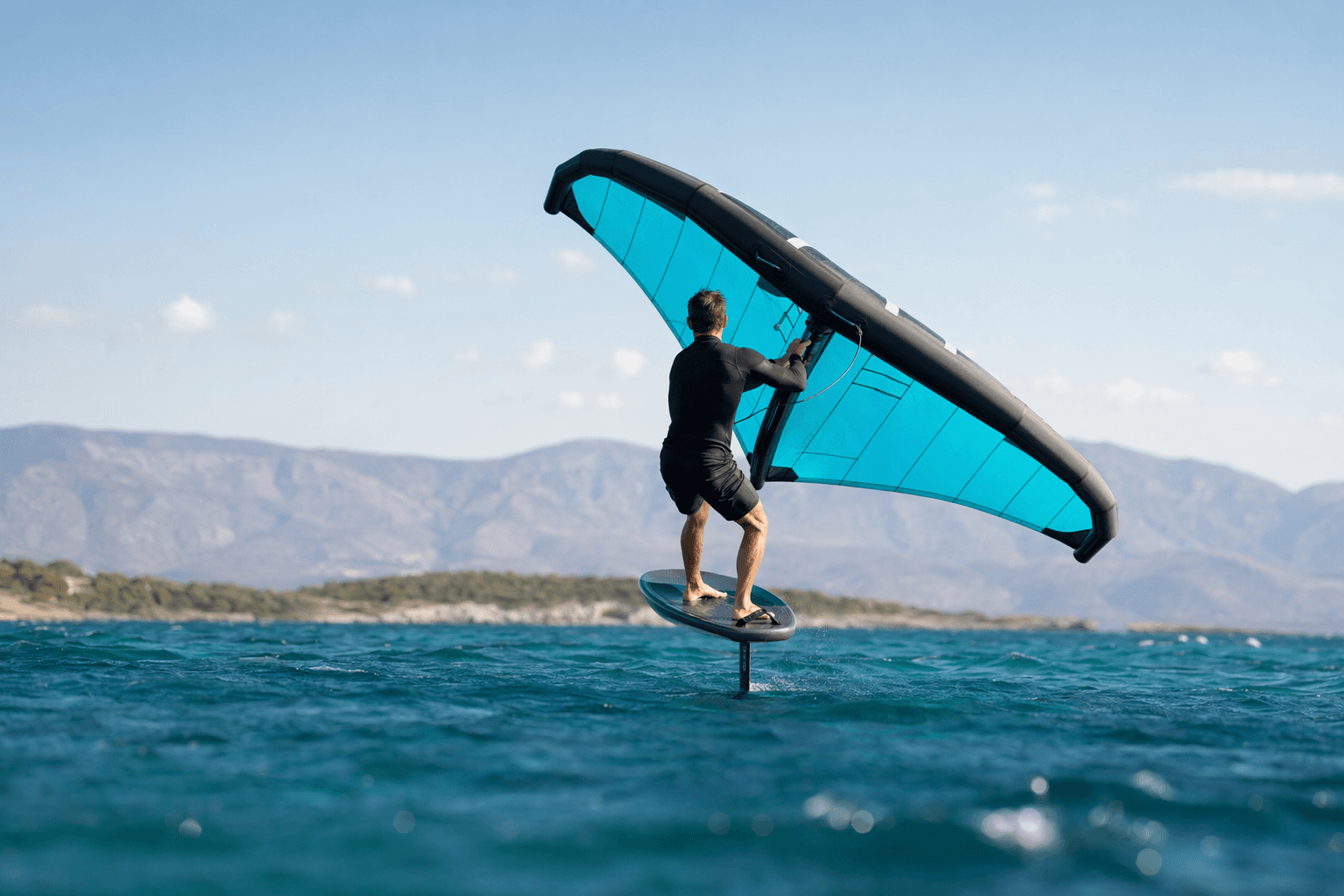
NeilPryde also leaned hard into materials to justify the premium tiers. The Fly IV Pro uses ALUULA Aeris X in the leading edge and middle strut, with the company saying the fabric is typically 20 to 50 percent lighter than incumbent materials, three to four times stronger and six times better in tear resistance. The FireFly Pro uses AeroTex in the leading edge and strut and is billed as the brand’s most premium wing in materials. Across the range, NeilPryde also emphasized a carbon mono handle, graduated ripstop canopy construction, PVC windows on the Fly IV and FireFly, and a high-tension canopy concept designed to increase lift, raise the stall angle and sharpen control in light and strong wind.
The testing numbers back up the cleaner, more efficient story. In a 6.0 square metre comparison, the Fly 4 Pro came in at 2.70 kilos while the standard Fly 4 weighed 2.96 kilos, a 260-gram gap that gives the Pro a real-world edge in swing weight and handling. The same test pointed to the Pro’s higher rigidity, while the broader collection suggests NeilPryde is betting that riders will value a lineup that reads more clearly at retail and feels more decisive on the water.
This article was produced by Prism’s automated news system from verified source data, official records, and press releases, then run through automated quality and moderation checks before publishing. The system is built and supervised by the people who set the standards it runs under. Read our full AI policy.
Did this article answer your question?