Starboard unveils 2026 foil range, built with auto-optimization
Starboard's 2026 foil range paired auto-optimized shapes with the UCS interface, turning a product drop into a broader setup rethink for surf, wing and downwind riders.
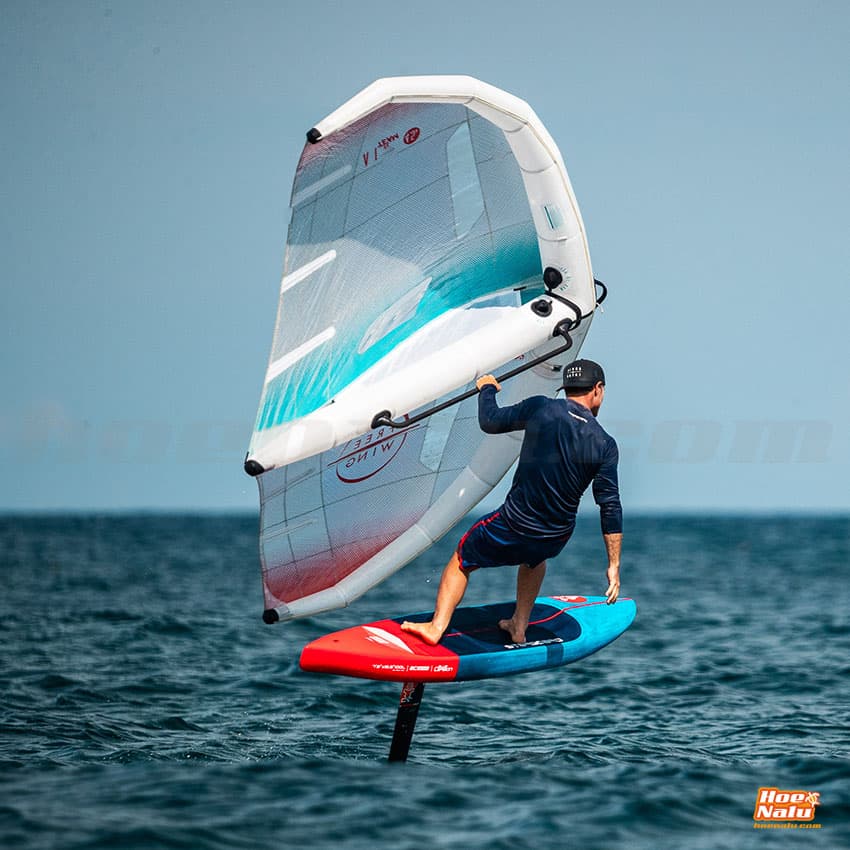
Starboard's 2026 foil range arrived as more than a size update. Unveiled on April 6, 2026, the line was pitched as the company's "most advanced, yet most intuitive" collection, a platform rethink that stretched from prone surf and SUP to wing, windsurf, downwind and high-speed race shapes.
At the center was 7000x Auto-Optimisation, the process developed with Martin Fischer and Starboard founder Tiesda You. Starboard said the system starts from a base design, feeds performance parameters and structural constraints into computer models, then loops the shape repeatedly toward a more efficient result. The company said that kind of refinement would once have taken weeks or months on a supercomputer. That mattered because the launch was not really about a fresh paint job or a few new sizes. It was about changing how the foils were tuned in the first place.
The sharpest proof sat in the MF line. Starboard said the MF was the first wing collection developed using Fischer and Mathieu Durand's auto-optimisation process. The MF 640 and MF 580 were built around ultra-high aspect ratios of 15 and 20, while the MF 160 and MF 130 tail wings were added for more glide and efficiency. For downwind riders, that put the emphasis on hold, speed and distance per pump rather than just another incremental shape change.
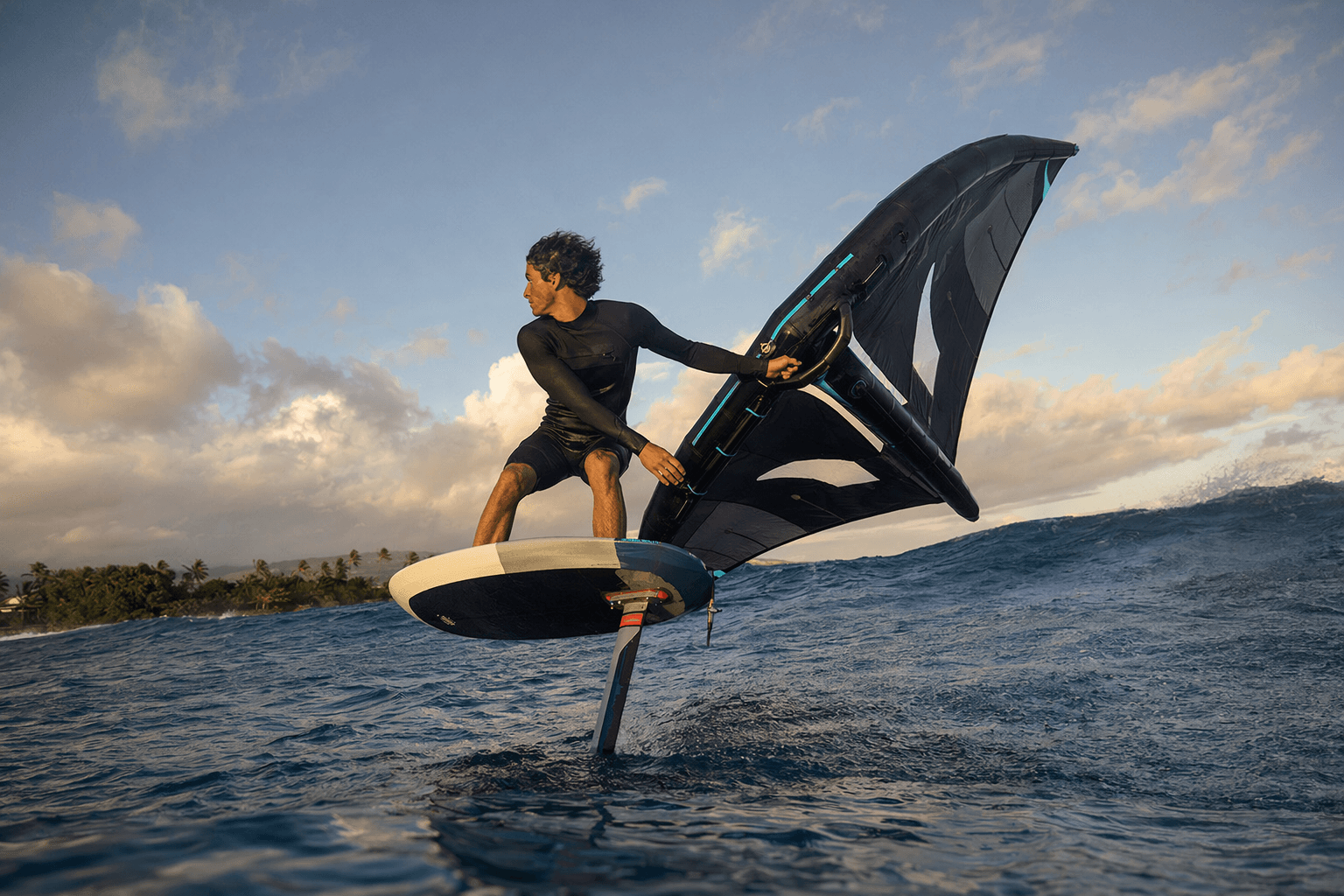
The other major shift was UCS, the Universal Connection System. Starboard described it as an open-patent standard meant to make setups stiffer, simpler and more compatible across the range. An external explanation of the system said the mast was secured to the fuselage with four M6 Torx bolts, and that the newer UCS format reduced fuselage choices to three sizes across wingfoiling and windfoiling. That kind of modularity matters most for riders who cross disciplines or upgrade gear in stages, because it cuts down the compatibility guesswork that can slow a quiver build.
The surf-facing end of the range was just as pointed. Benoit Carpentier's Fusion 625, 725, 825 and 925 were positioned as signature surf-focused shapes, while the larger Fusion 1100, 1400, 1800 and 2200 stayed aimed at freeriders, progressing riders and beginners. Glider 3 replaced Glider 2, and the new MF sizes extended the downwind end of the lineup. Riders already happy on a stable freeride setup could probably skip the update unless they wanted UCS compatibility or a cleaner path into the newer shapes. Riders moving between prone surf, wing and downwind work had the most reason to switch.
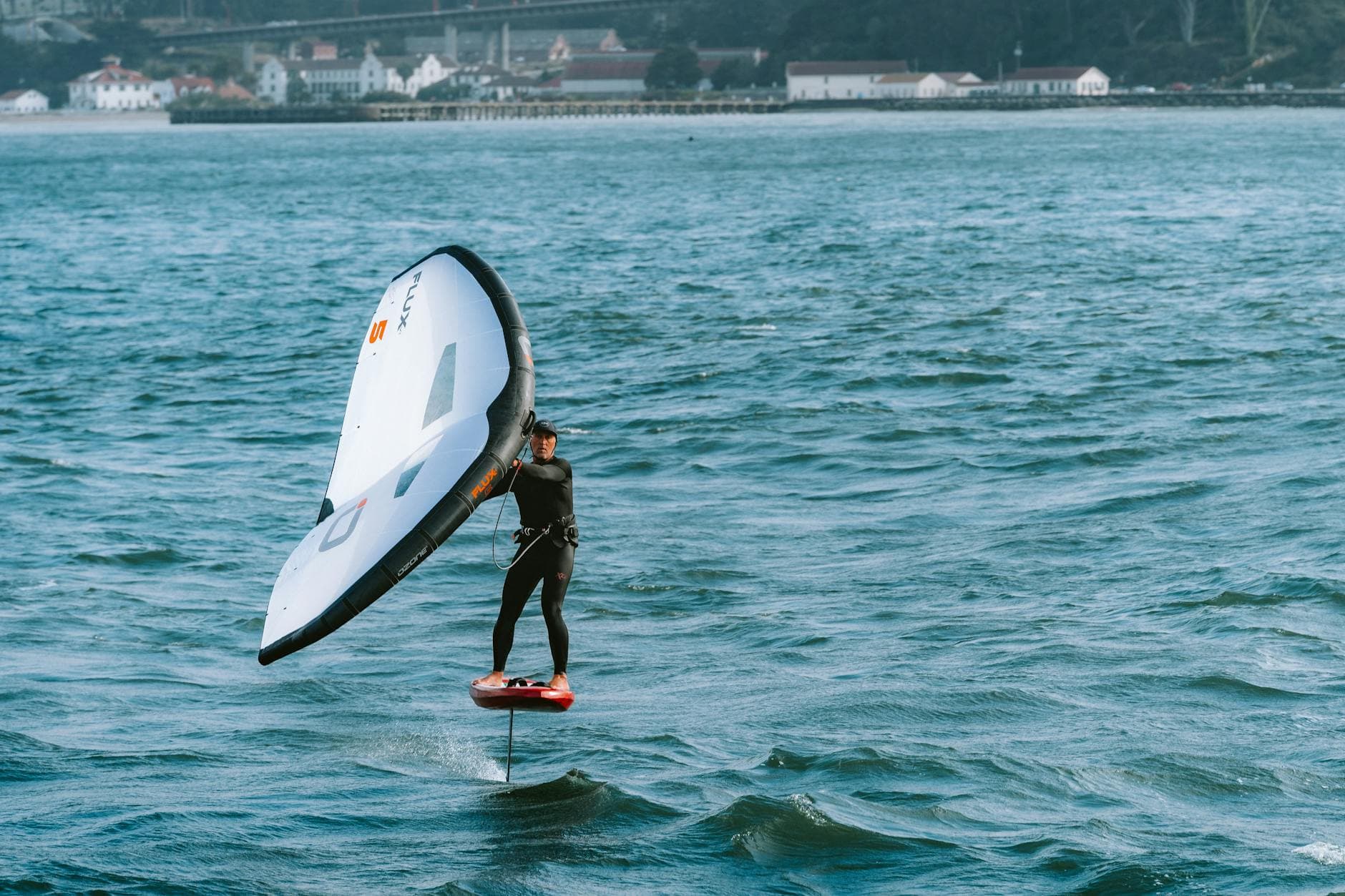
Clement Colmas offered the best field-level validation after winning the Crozon Downwind Foil Festival in October 2024. He called the optimized wing designs "incredible" and said he and Carpentier finished first and second on day one, 15 minutes ahead of an international fleet. For Starboard Foils, founded in 2017 by Tiesda You, the 2026 range looked like a technical answer to a business problem too, with windsurf-foiling sales still below the 2019-2021 peak.
This article was produced by Prism’s automated news system from verified source data, official records, and press releases, then run through automated quality and moderation checks before publishing. The system is built and supervised by the people who set the standards it runs under. Read our full AI policy.
Did this article answer your question?