HEMA Alliance launches club-focused How to HEMA resource hub
HEMA clubs survive on rent, insurance, handoffs, and volunteers, not just sparring. HEMA Alliance’s new hub turns those hidden costs into a practical playbook.
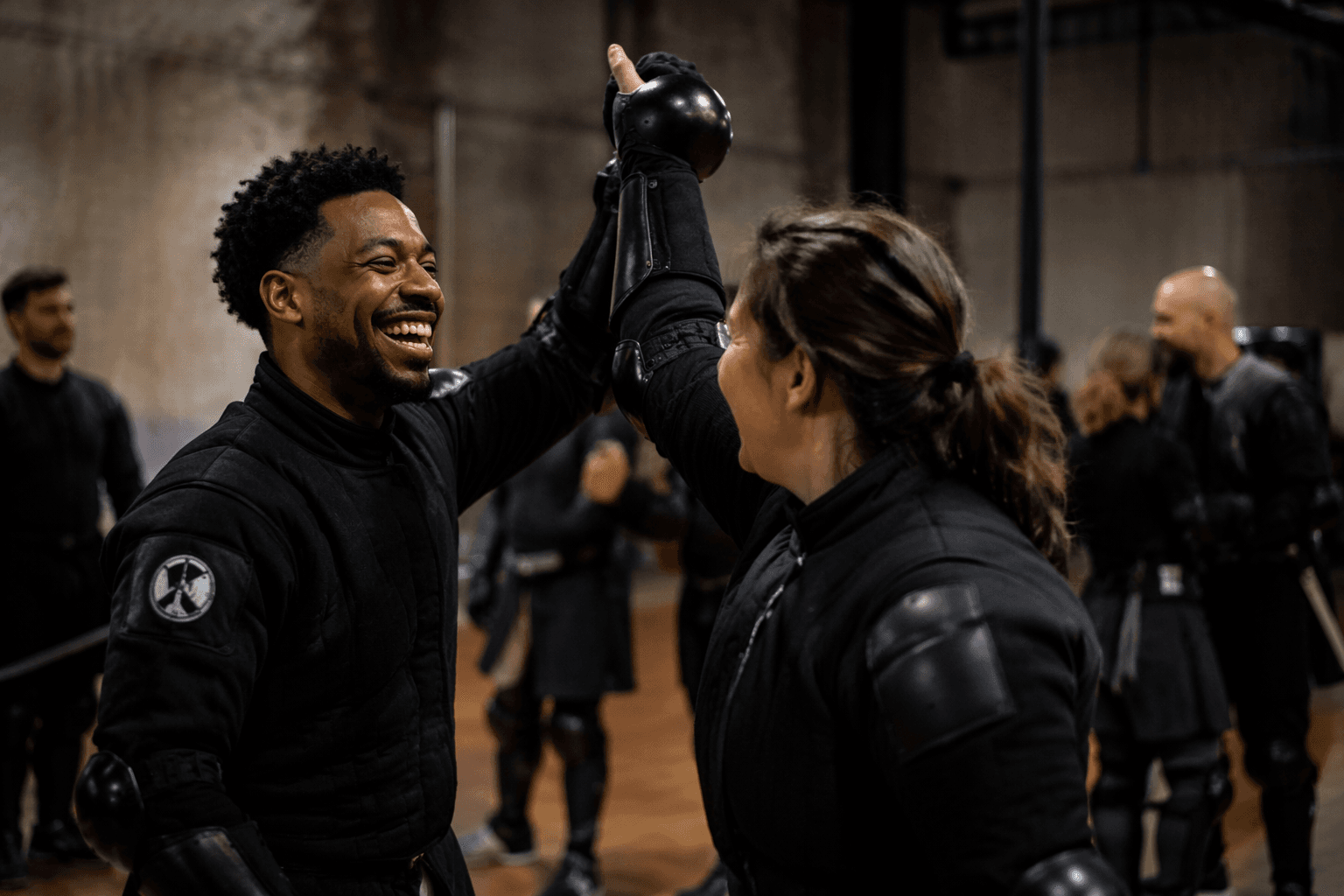
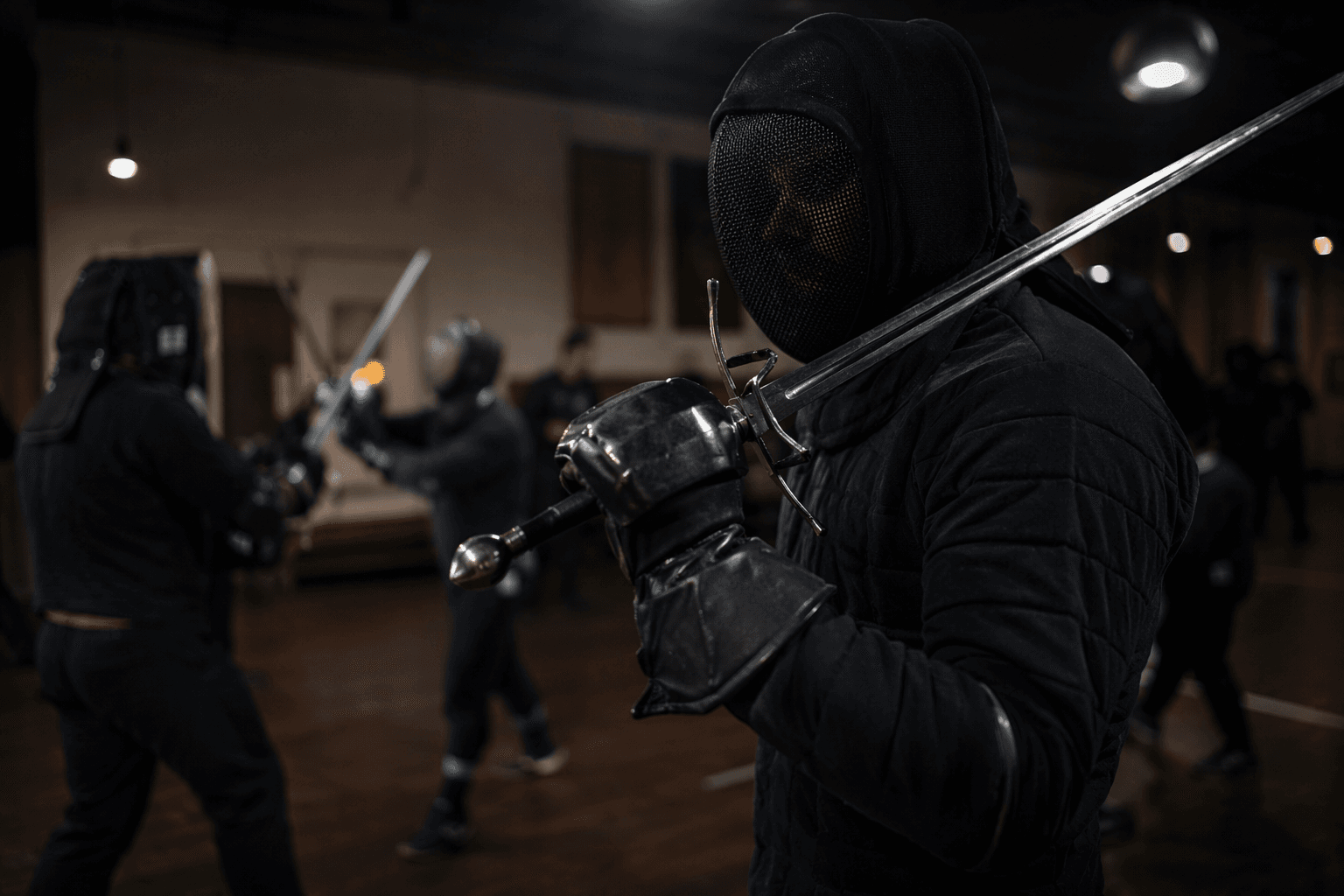
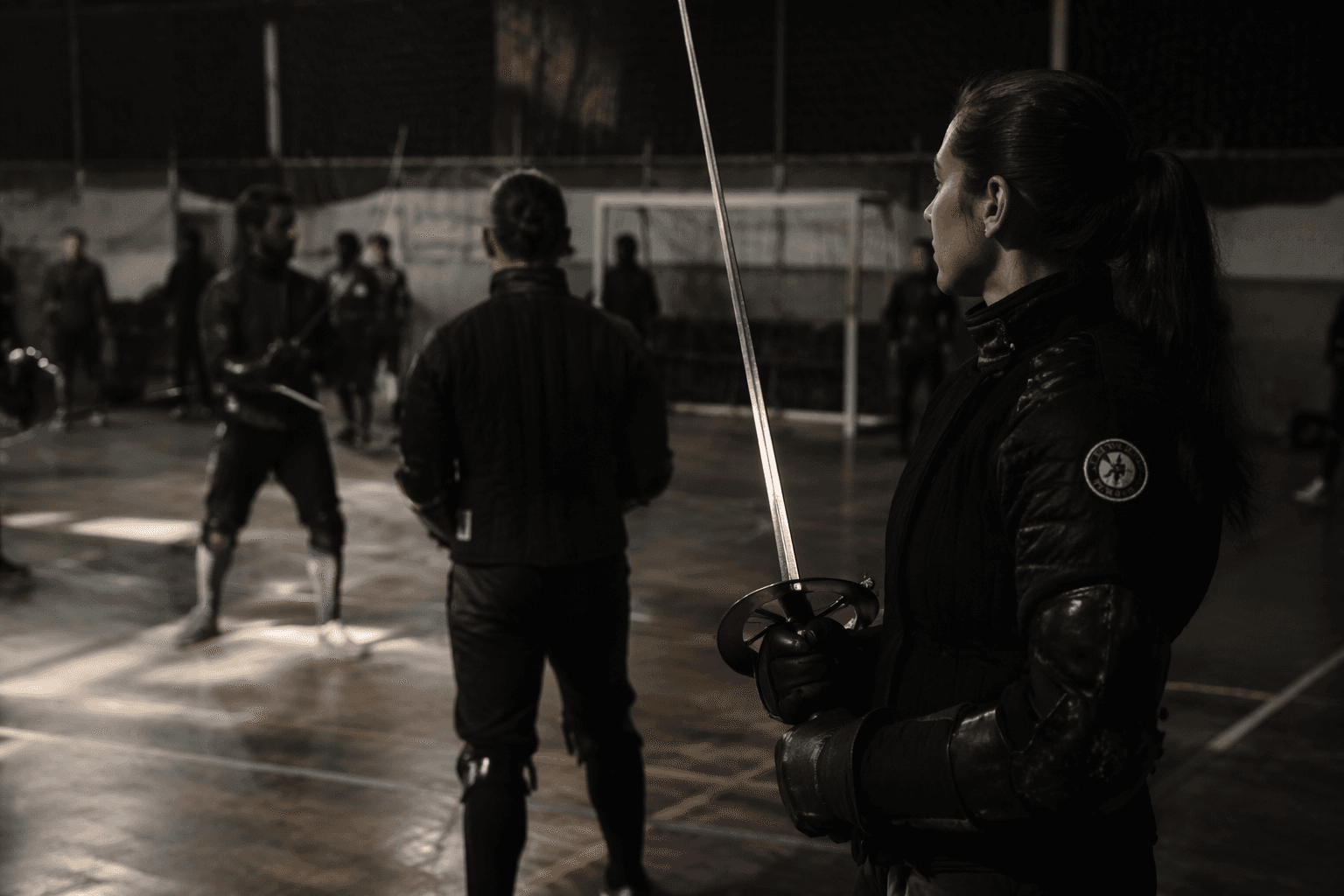
A HEMA club survives on more than steel and enthusiasm. Rent, insurance, venue keys, bank access, and the next instructor in line matter just as much as the day’s drills, and the HEMA Alliance’s How to HEMA hub treats those pressures as the sport’s real battleground.
What the hub is trying to fix
The resource index is built for the problems that appear after the excitement of launch fades. Its topics are practical and specific: club gear, creating an instructor base, fee structures, finding a place to train, youth programs, growing your club, how to start a HEMA club, insurance and what it is for, managing leadership transitions, supporting diversity in HEMA, training safely, what kind of HEMA club do you want, when and how to start thinking about money, HEMAA bylaws, additional insured, and What is HEMA? That spread tells you exactly where clubs tend to break down, because a club that cannot answer those questions is already leaning on luck.
The alliance’s framing is important because it treats the club, not the tournament, as the atomic unit of the sport. In HEMA, technique only survives if there is a place to practice it, people to teach it, and a structure that keeps the doors open when one organizer gets burned out or moves away. The hub is useful precisely because it starts with operations before glamour.
Why the business side decides whether a club lasts
HEMA Alliance describes itself as a 501(c)(3) U.S. nonprofit service organization, and its structure reflects that mission. It is directed by three democratic bodies, the Board of Directors, the membership-elected Governing Council, and the Curriculum Council, a setup that puts governance, curriculum, and club support into separate lanes. That matters for local schools because it shows the sport’s infrastructure is not improvised from scratch; it is being managed like a serious volunteer institution.
The practical side is even more direct. The alliance says affiliate clubs can use insurance for training sessions and special events, receive event support, and access discounts on individual memberships. It also says affiliates must be U.S.-based, not for-profit, and run as nonprofits even if they are not formally registered that way. Every club member must register as a HEMAA member, and new students are covered for their first two months only if they are properly registered. Practices and events must be registered in advance to be covered by insurance, which turns paperwork into a basic safety requirement rather than an administrative extra.
That is the kind of detail that decides whether a club can survive a sudden venue issue, a minor injury, or a leadership change. Fee structures are not just about covering rent. They have to absorb insurance, recurring storage or facility costs, gear replacement, and the labor that volunteers quietly provide every week.
Safety, gear, and the instructor bench are part of the same system
The hub’s safety and gear material reinforces a simple truth: a club is only as stable as its processes. The safety guidance centers on minimum rules that can actually be enforced, awareness of the venue, and protection choices that match the activity. That makes sense in a sport where people are swinging swords, even if the training is controlled and historically grounded.
Gear is part of the same equation. The index’s club gear entry, along with the fee-structure and money-planning material, points to the startup trap many schools fall into: buying too much too early or underestimating the cost of replacement and storage. The guide does not treat equipment as a luxury topic. It places gear right beside training safety and instructor development, which is where it belongs. A club with no one to teach, no safe format, and no way to manage its kit will not outlast the first wave of enthusiasm.
The instructor base is another quiet determinant of survival. If only one person can run class, the club becomes fragile the moment that person gets busy or injured. That is why creating an instructor pipeline matters as much as recruiting new students. A club that can promote helpers into coaches has a future; a club that cannot will always be one absence away from interruption.
Leadership handoffs are where clubs quietly fail
The alliance’s leadership-transitions guide is almost painfully practical, and that is what makes it valuable. Before leadership changes hands, clubs should secure bylaws, bank accounts, passwords for websites and social media, legal status, and access to venue or gear-storage keys. That list reads like bureaucracy until one founder steps back and nobody else can access the bank account, post a class update, or open the storage closet.
The article also says organizers should communicate with fellow students if the primary organizer leaves suddenly. That is more than a courtesy. In a volunteer sport, continuity often depends on whether the next organizer knows where the keys are, who the insurer is, and what the club actually promises its members. Leadership handoffs are not a ceremonial passing of a sword. They are the moment a club proves whether it has institutional memory.
HEMA’s growth makes the club question more urgent
The broader HEMA timeline explains why this work matters now. One 2023 essay places the sport’s appearance in the late 1990s, its rise in the 2010s, and a further jump after COVID-19 in both club membership and competition registration. That same growth created gear shortages as vendors struggled to meet demand. Growth can look like success from the outside, but inside a club it can mean more students, more wear on equipment, more scheduling pressure, and more administrative risk.
The movement’s international coordination also has a longer arc. The initiative to establish the International Federation of Historical European Martial Arts began in 2010, showing that the sport has been organizing itself across borders for more than a decade. At the same time, a 2020 community essay argued that an estimate of 925 U.S. practitioners was too low, pointing to 215 U.S.-based schools in a club finder and noting many unaffiliated practitioners. Even a rough floor based on those schools suggests a much larger scene than casual observers might guess.
A TidyHQ case study puts the HEMA Alliance at 10,000+ members across the U.S. and 40+ affiliated clubs. The alliance also says Wiktenauer is the largest library of HEMA manuscripts and books in the world, while HEMA Scorecard is an open-source tournament platform. Together, those tools show how the sport has built a service ecosystem around clubs, research, and competition.
A practical survival framework for your own school
A club that wants to last should treat the How to HEMA hub as a checklist, not a reading list:

- Define the club first. Decide what kind of HEMA club you want, what you teach, and whether your format is built around newcomers, competition, youth, or mixed study.
- Price the real costs. Build fees around rent, insurance, gear, storage, and volunteer labor, not just the obvious monthly bill.
- Lock in safety and registration. Register practices and events in advance, keep members properly enrolled, and make sure your training rules are enforceable on the floor.
- Build redundancy. Train more than one instructor, document passwords and bank access, and keep bylaws and venue keys in shared institutional memory.
- Plan for growth. If the club adds students, gear, or events, make sure the insurance, staffing, and storage can scale with it.
That is the unglamorous core of HEMA survival. Clubs disappear when they are built only for the founder’s energy. They last when they are built for the next class, the next organizer, and the next round of bills.
This article was produced by Prism’s automated news system from verified source data, official records, and press releases, then run through automated quality and moderation checks before publishing. The system is built and supervised by the people who set the standards it runs under. Read our full AI policy.
Did this article answer your question?