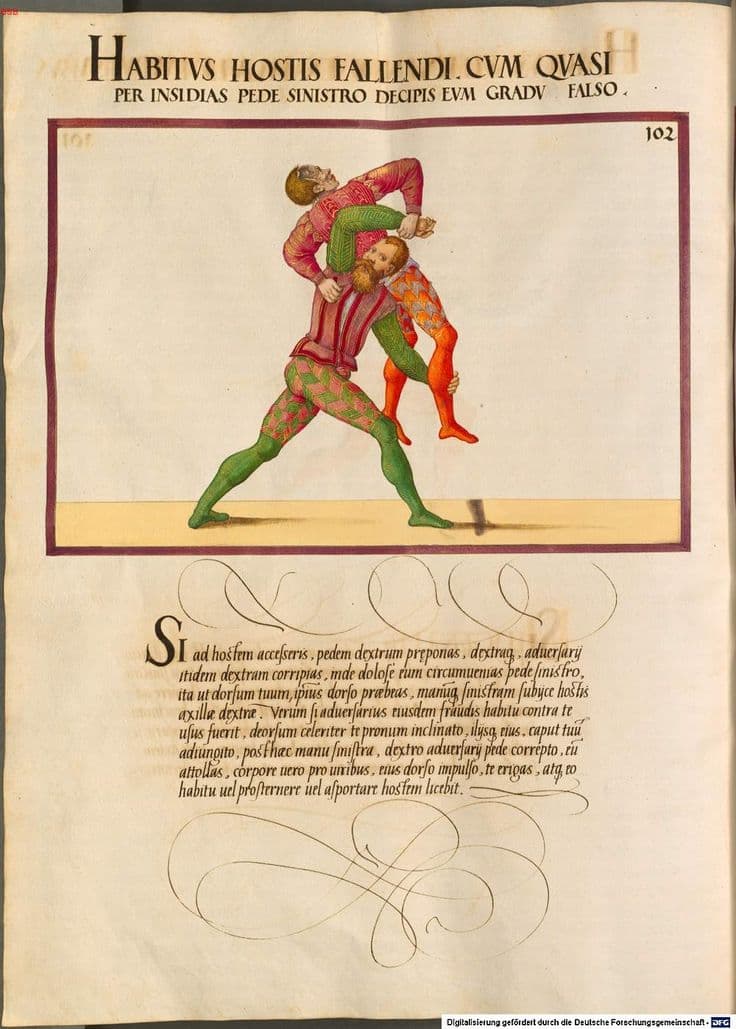
HEMA Alliance urges clubs to build sustainable youth HEMA programs
Youth HEMA lasts when clubs treat it like a pipeline, not a novelty. Grandy’s playbook centers on school demos, parent trust, and game-based coaching that keeps kids and families coming back.
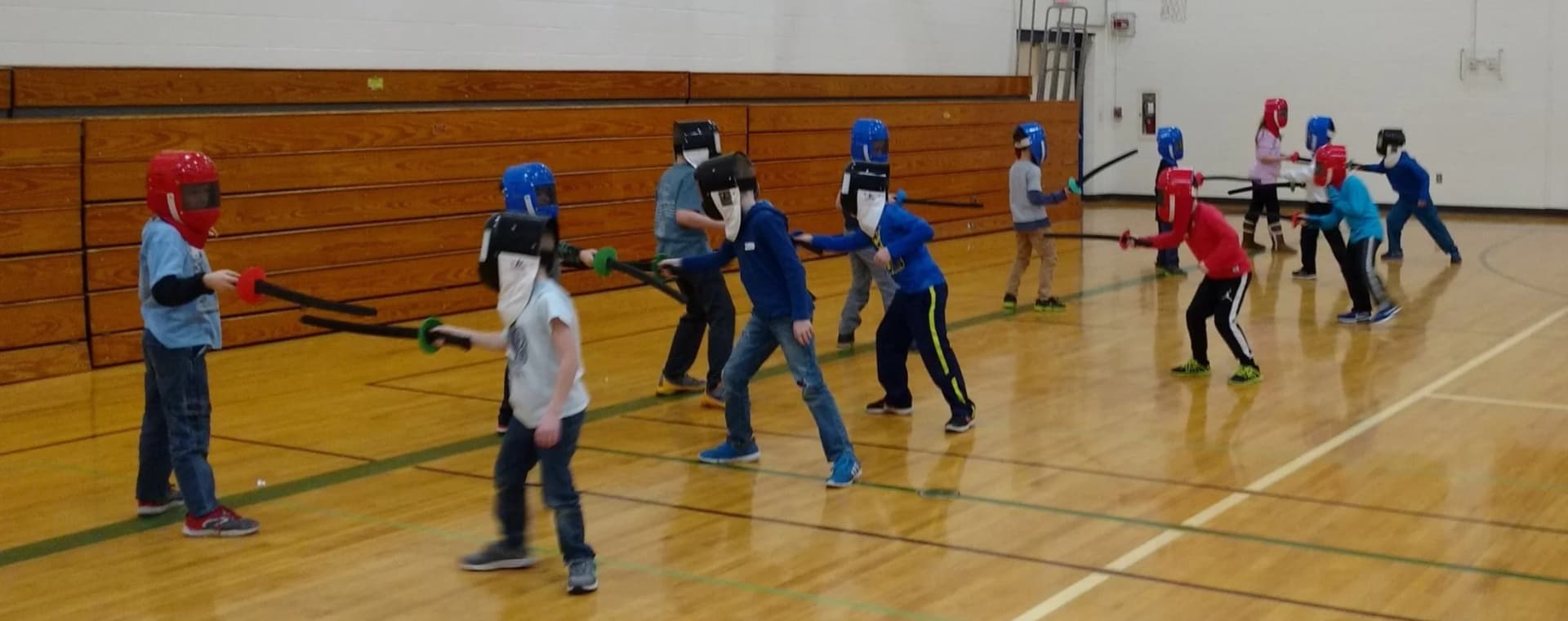
HEMA clubs that want a youth program to survive more than one excited season need to think like builders, not just instructors. The strongest lesson in the HEMA Alliance’s guidance is blunt: children age out quickly, so a class only stays alive if a club keeps bringing in new students, new parents, and new reasons to stay invested.
Build the program like a pipeline
Bill Grandy’s example shows why youth HEMA is as much an outreach job as a fencing job. He said he spent about 60 percent of his time drumming up students and running school demos, a workload that makes the sustainability problem impossible to ignore. His model was practical and repeatable: contact elementary schools with a press kit, offer free demonstrations, and use those demos to launch a four-week paid after-school introduction that could feed into a longer program at the Virginia Academy of Fencing.
That approach matters because it turns a single class into a funnel. A club does not just need one strong enrollment night, it needs a steady rhythm of visibility, introductions, and conversion points that keep the youth side from thinning out as children move on to other activities, ages, and interests.
Treat outreach as part of coaching
The article’s most useful message for club leaders is that school relationships are not marketing fluff. Grandy’s model depended on showing up where families already are, building trust with educators, and making the art legible to parents who may never have seen historical fencing before. He used demos, swords and armor, questions and answers, and even candy to make the first contact feel approachable instead of intimidating.
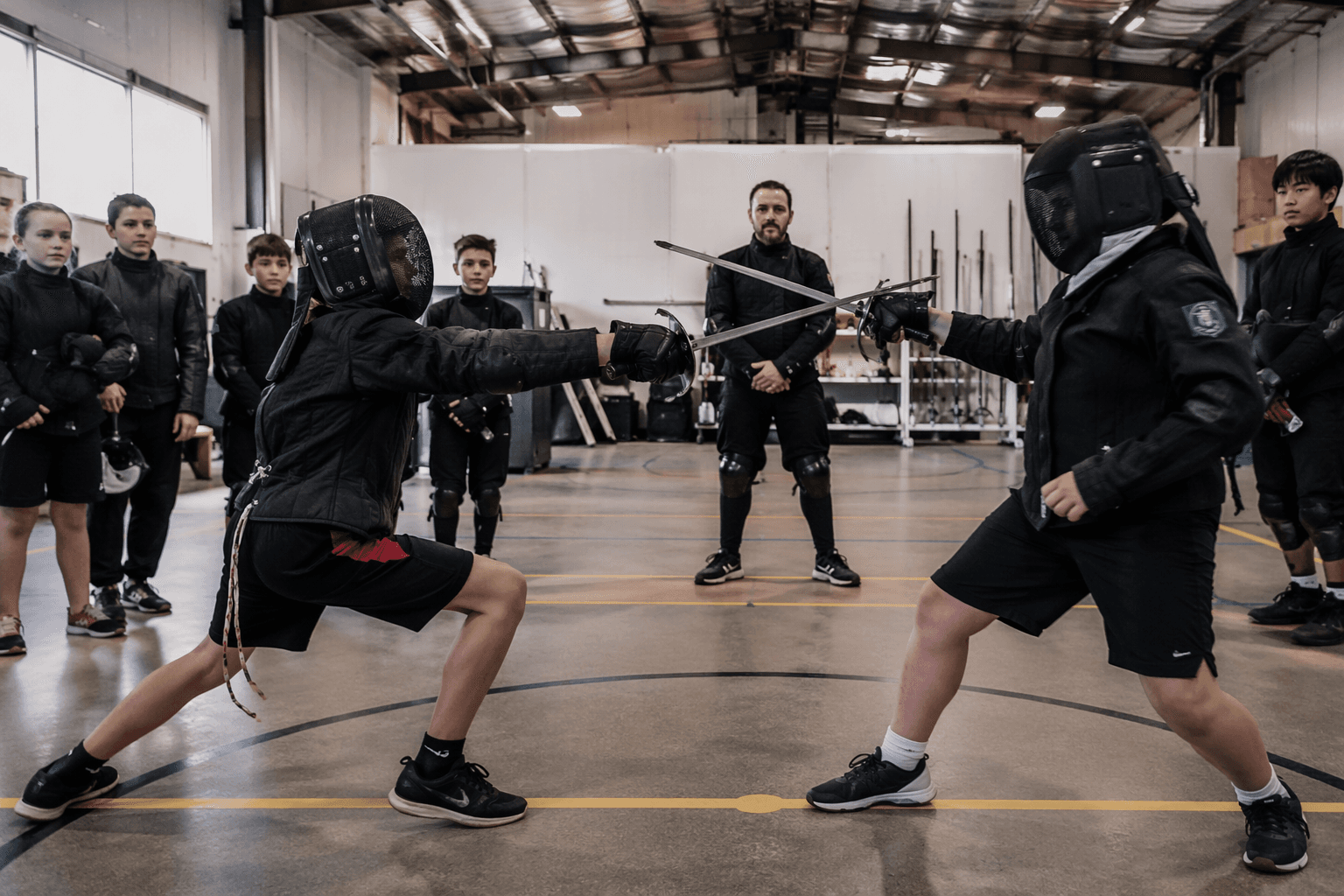
That kind of outreach does two jobs at once. It fills the top of the funnel with children who are curious about something new, and it reassures adults that the club understands how to present itself safely, clearly, and professionally. In youth HEMA, the parent is often the real decision-maker, so the club that communicates well with families is the club that stays open.
Make the class feel like play without losing the art
The HEMA Alliance guidance also pushes instructors toward a format that younger students can actually absorb. Endless mechanical repetition may build skill, but younger children will not stay engaged if the class feels like a reduced version of adult training. The better model is to hide repetition inside games, challenges, and playful drills that still teach the same body mechanics, distance control, and decision-making that HEMA requires.
Young Ninjas USA offers a useful comparison point. The company says it was created in 2010, has introduced thousands of children to martial arts, and serves boys and girls ages 3 to 10. Its class structure starts with a fun warm-up, moves into basic techniques, then shifts into creative games and challenges, and finishes each season with a certificate of achievement. That sequence shows how a kids program can stay structured without becoming rigid, and how a club can deliver real instruction while still speaking the language of younger students.
Staff for continuity, not just enthusiasm
A youth program is only as stable as the people running it. The Virginia Academy of Fencing says Grandy has taught there since 2001, and that he professionally taught Historical European Martial Arts for 20 years before retiring. That kind of long runway matters because youth classes reward consistency: the same faces, the same expectations, and the same standards help families trust that the program will still be there next month.
For club leaders, that means staffing should be built around durability. Someone has to own recruiting, someone has to own parent communication, and someone has to know how to adapt historical material for kids without flattening it into cartoon fencing. When those jobs are left informal, the program usually depends too much on one energetic person and fades when that person gets busy.
Safety culture has to be visible from day one
The article’s emphasis on trust building is also a safety lesson. Families need to see that a club knows how to introduce weapons responsibly, manage beginner nerves, and keep the environment controlled from the first demo onward. That matters even more in a youth setting, where the club is not just teaching technique but also signaling that it understands supervision, boundaries, and good judgment.
The HEMA Alliance’s separate insurance guidance underlines that point. Youth HEMA is not only a teaching project, it is an administrative one, and clubs that treat safety as a culture rather than a checkbox are better positioned to last. Clear communication, age-appropriate pacing, and visible care in how equipment and exercises are introduced all help a family decide that the club is serious.
Why the broader case for youth HEMA is strong
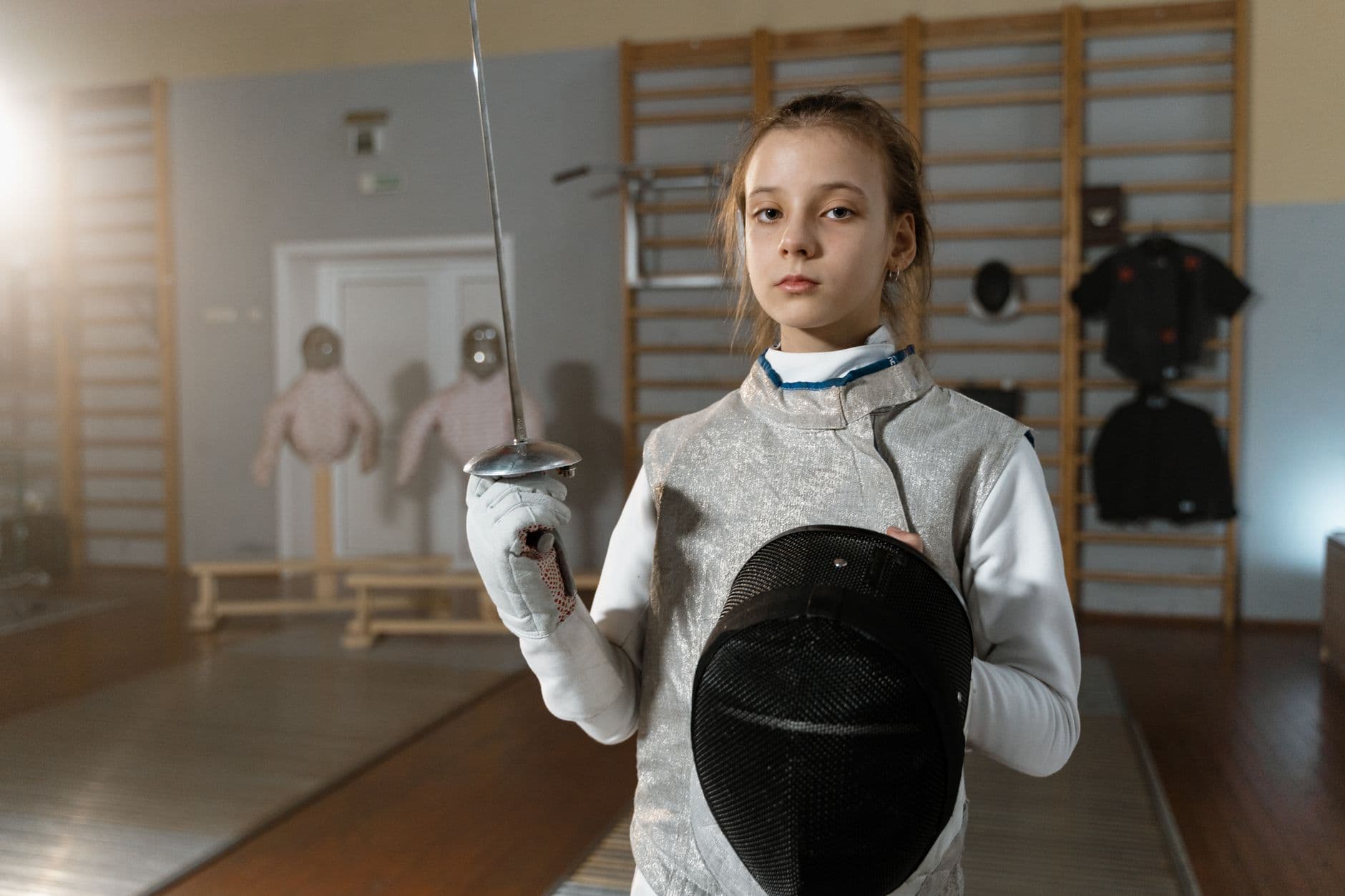
The social value of these programs goes beyond recruitment. A 2019 systematic review and meta-analysis concluded that physical activity may support the mental health of preschoolers, children, and adolescents, while a Cochrane review on exercise and self-esteem in children and young people, based on 23 trials and 1,821 participants, found positive short-term effects on self-esteem. That does not make youth HEMA a therapy program, but it does help explain why parents respond when a club offers structure, movement, confidence, and a sense of belonging.
That broader case is important for the whole HEMA ecosystem. The HEMA Alliance describes itself as a 501(c)(3) U.S. nonprofit service organization for the HEMA community, and its club-finder and growth resources exist because the art depends on more than isolated classes. Clubs that welcome children are not just training the next cohort of students. They are creating future organizers, coaches, and competitors who can keep the community active, visible, and growing.
The clubs that last will be the ones that treat youth HEMA as a relationship business with a martial arts core: recruit constantly, teach creatively, reassure parents, and make safety unmistakable. That is the difference between a promising season and a program that endures.
This article was produced by Prism’s automated news system from verified source data, official records, and press releases, then run through automated quality and moderation checks before publishing. The system is built and supervised by the people who set the standards it runs under. Read our full AI policy.
Did this article answer your question?