How HEMA scoring rewards control, not just landing the first hit
In HEMA, the first hit is only half the story. Doubles, afterblows, and weighted scoring turn every exchange into a test of control, distance, and survival.
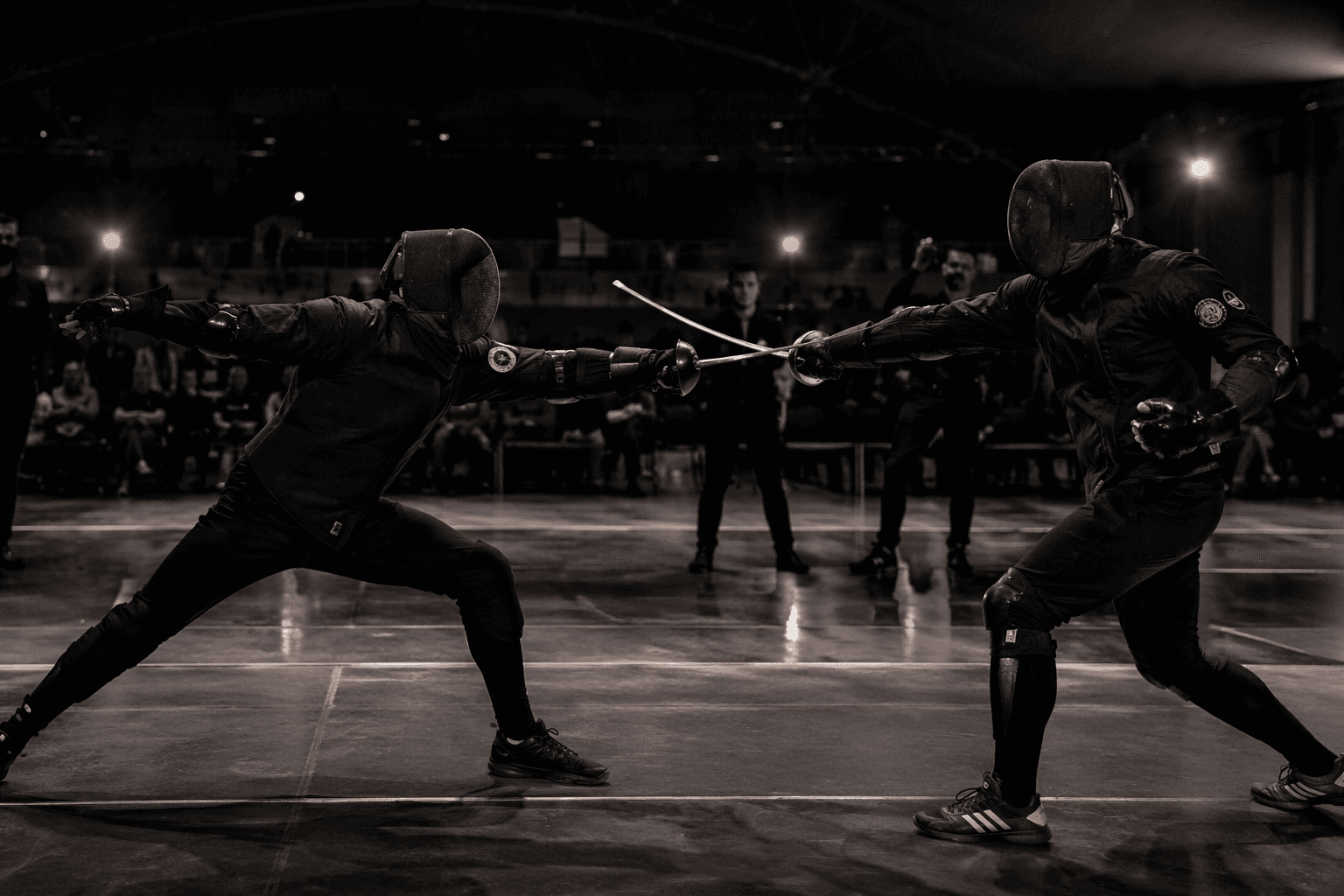
A bout can look simple for a second, then turn murky fast: one fencer lands first, the other answers immediately, and both blades seem to count. That confusion is the point of HEMA scoring, which is built to judge whether a strike truly won the exchange or merely opened the door for a reply. Compared with modern sport fencing, where the touch often settles matters at the instant of contact, HEMA rule sets make the defender’s response part of the score.
What the first hit does, and what it does not do
The sharpest difference in HEMA is that landing first is not always enough. Many rule sets ask whether the attack created real advantage, whether the opponent earned an afterblow, and whether both fencers exposed themselves by trading hits. That means scoring is not just about contact, but about control: tempo, distance, and whether you left a clean window for the other person to answer.
The Wessex League makes that logic easy to see. Its bouts run for up to 3 minutes or until one fencer reaches a 10-point cap, and the tournament uses pools before eliminations. More important than the format is the scoring philosophy: afterblows and doubles are weighted against each other rather than treated as simple yes-or-no touches. In other words, a hit that invites an immediate counter is not the same thing as a hit that ends the exchange cleanly.
Why control is worth more than contact
The Wessex rule set also shows how HEMA values tactical cleanliness over raw aggression. A clean disarm can score maximum points, which tells fencers that taking away the weapon can be as decisive as landing steel. At the same time, grappling usually does not score on its own, and throws, joint locks, and kicks are prohibited, so the rules push fighters toward controlled weapon work rather than open-ended clinch fighting.
That matters because it changes what wins tournaments. If doubles are costly and afterblows can erase the value of a strike, then charging in first is risky. Competitors are rewarded for denying the opponent a meaningful response, which is why top-level HEMA often looks like a contest of patience, distance management, and careful entry rather than constant blade chasing.
Different leagues, same lesson
HEMA Ireland’s IHFL ruleset translates the same idea into a different numerical language. Its bouts can run to 9 exchanges or 3 minutes, with a 20-point cap, and it assigns deep and shallow target values of 5 and 3. It also includes a long-afterblow rule that allows one afterblow action within one step, plus a thrust-priority rule that can reduce an afterblow to shallow value.
That structure teaches the same lesson in a more granular way. A successful hit is only part of the exchange if the opponent is still close enough to answer under the rules, and a thrust that does not secure the exchange may lose value when the other fencer answers immediately. For competitors, that means training for hands, timing, distance, and follow-up actions, not just isolated cuts or thrusts.
Other leagues make the same tactical problem visible in slightly different ways. London HEMA Open also uses bouts up to 3 minutes or a 10-point cap, but it assigns disarms 3 points and says grappling can be used to control an opponent to score with the weapon, while grappling itself does not score. Its rules also prohibit throws, joint locks, and kicks, reinforcing the idea that control matters only when it supports a valid weapon action.
Berlin HEMA Cup tightens the timing even further by limiting afterblows to one tempo and one step. That kind of rule tells fencers exactly how much recovery window the defender gets, and it turns distance into a scoring issue as much as a tactical one. Blademasters Academy pushes the same standard in a different direction by requiring quality thresholds for valid strikes, including a minimum travel arc for cuts and visible blade bend for thrusts, so the action has to read as technically sound before it can score.
Why the rulebook is part of the bout
These formats are not just administrative details. They shape how fencers move, what risks they take, and what counts as a clean exchange under pressure. If a league rewards doubles lightly, fencers can afford more aggression; if afterblows are expensive, they learn to finish actions with more cover; if a disarm is worth a big score, weapon control becomes a primary path to points.
That is why HEMA feels different from a lot of modern combat sport fencing, even when the surfaces look similar. The sport is not only measuring who touches first. It is measuring who survives the exchange on better terms.
The community behind the scoring
The rule diversity also reflects how HEMA grew. The International Federation of Historical European Martial Arts says the initiative to establish the federation began in 2010, and its General Assembly is the main body where member federations are represented and main policies are decided. The federation structure exists, but the sport still works through a lot of independent leagues and national systems.
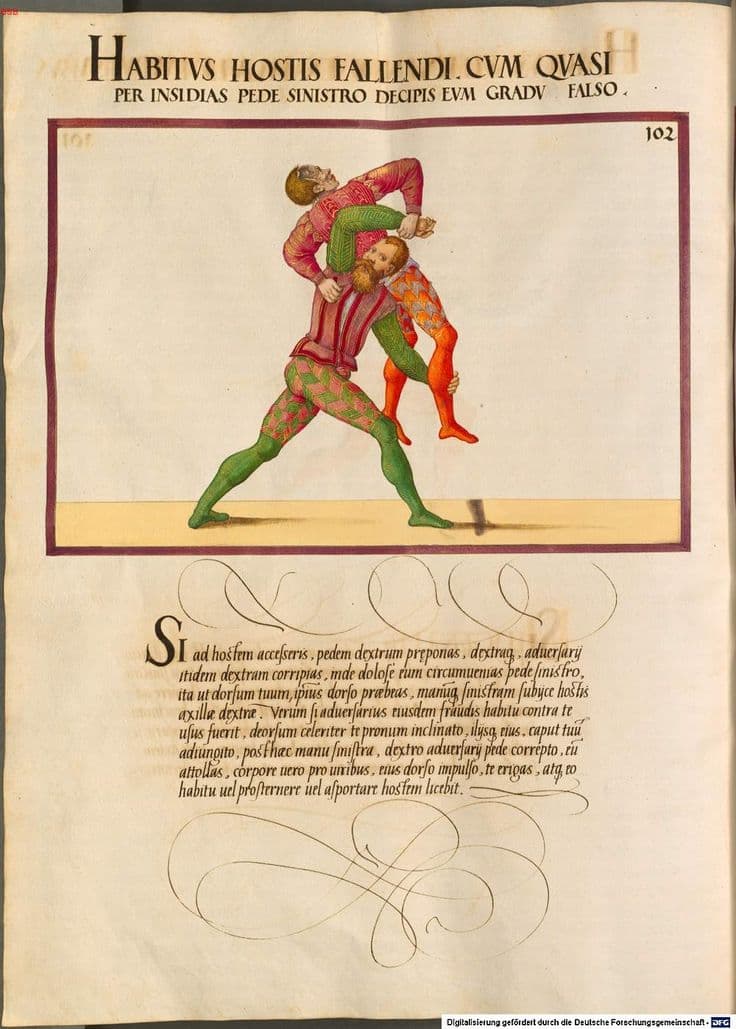
The HEMA Alliance describes itself as supporting the community worldwide, and it points to HEMA Scorecard and Wiktenauer as shared infrastructure. Wiktenauer began in 2009 and later moved under the HEMA Alliance umbrella, which helps explain why HEMA culture blends tournament competition with research. HROARR’s manuscript library adds another layer, with most of its manuals coming from German and Italian fencing masters written between about 1200 and 1600 AD.
That historical depth is part of why the rules matter so much. Wiktenauer describes HEMA as distinct from modern combat sports because it draws on European martial traditions recorded before the late nineteenth century sports era, while the French Federation for Historical European Martial Arts says the community gained visibility in the late 1990s before FFAMHE was founded in 2011. HEMA is therefore not reenactment dressed up as sport, but a modern competitive system built around older fighting traditions and the problem of making them legible to judges.
Safety, realism, and what clean fencing means now
The safety side is inseparable from the scoring side. HEMA Alliance guidance says clubs should create enforceable safety frameworks that cover both physical and social safety, and affiliate events must follow its safety policy while requiring non-HEMAAA participants to sign a waiver. Those rules help explain why many tournaments draw hard lines around grappling, throws, joint locks, and kicks: the goal is to preserve historical logic without turning the bout into a different kind of fight.
That is why HEMA scoring rewards more than landing the first hit. It rewards the fencer who controls the space, keeps the opponent from answering cleanly, and produces an action that survives the rule set’s test of timing and intent. In HEMA, the cleanest win is not always the earliest touch. It is the exchange that leaves nothing useful for the other side to take back.
This article was produced by Prism’s automated news system from verified source data, official records, and press releases, then run through automated quality and moderation checks before publishing. The system is built and supervised by the people who set the standards it runs under. Read our full AI policy.
Did this article answer your question?