How HEMA was rebuilt from fight books and scholarship
HEMA was rebuilt by turning fight books into live tests, then scaling the work through libraries, clubs, and judging systems that kept interpretations honest.
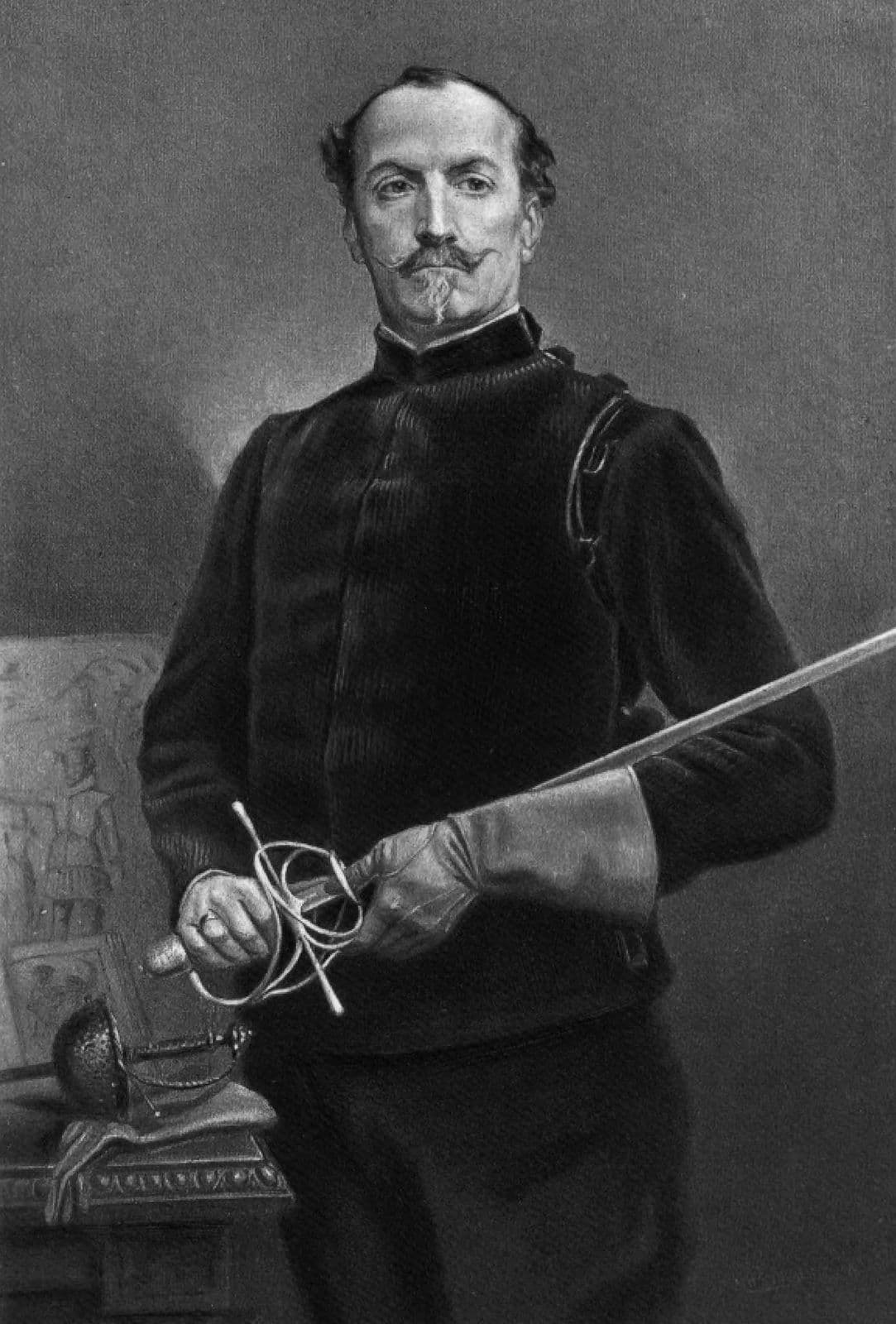
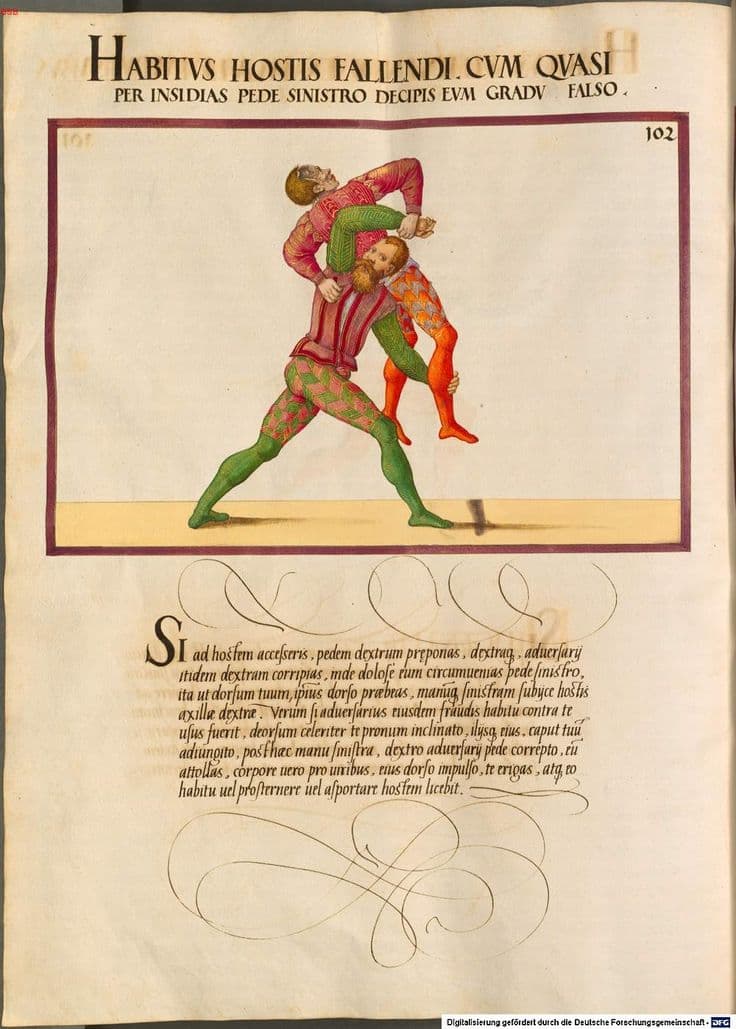
HEMA came back by solving a blunt problem: how do you test a dead art? The answer was not one heroic reconstruction, but a chain of tools, starting with Alfred Hutton’s revival experiments in the 1890s and extending to the transcription libraries, clubs, and tournament systems that now keep interpretations under pressure. Wiktenauer still frames the project with Fiore dei Liberi’s old warning, “Without books no one can be a good teacher nor even a good student of this art,” and modern HEMA has treated that line as a working rule.
The first modern revival
Hutton is the opening figure because he made the radical claim that old combat systems could be studied, reconstructed, and practiced again after their living lineages had faded. Britannica identifies him as an English fencing master born in 1839 and says he organized exhibitions, displays, and lectures that revived interest in fencing in England at the end of the 19th century. The modern HEMA story starts there not because he solved everything, but because he established the method: treat the source, test the reading, and put it in front of an audience.
His publishing record shows how early the reconstruction instinct took shape. Britannica lists four fencing books, Cold Steel in 1889, The Swordsman in 1891, Sword Play in 1892, and The Sword and the Centuries in 1901. The 1892 Old Sword-Play volume arranged lessons from older masters and included 57 plates of examples, which is exactly the kind of practical bridge modern HEMA still relies on: text, image, and application tied together in one place. Hutton and Egerton Castle also toured the 1890s giving lectures and demonstrations, turning scholarship into something performable in public.
From scattered manuscripts to a shared library
The next leap was infrastructure. Wiktenauer, which started in 2009 and later moved under the HEMA Alliance umbrella, describes itself as a free library of HEMA books and manuscripts built by scholars and practitioners working together. Its real value is not just access, but structure: treatise pages hold codicological details, provenance or publication history, scans, table of contents, and bibliographies, while master pages present transcriptions and translations, sometimes side by side for cross-comparison. That is how a dead art becomes testable again, because different readings can finally be compared against the same page.
The scale matters. Wiktenauer says it has well over a thousand individual books and manuscripts to research, and that its index is complete through the end of the 16th century while work continues on 17th-century material. It also names Johannes Liechtenauer, the best-documented early modern tradition, as part of its identity, which shows how HEMA grew from isolated scans and private notes into a shared research base large enough to support serious disagreement. Once the material became searchable and organized, interpretation stopped being an individual guess and became a community conversation.
How scholarship became a sport
The HEMA Alliance is where the research stops being archival and starts becoming operational. It describes itself as a 501(c)3 U.S. non-profit service organization, run through three democratic bodies, with programs that include fostering clubs, developing curricula, supporting original research, providing an optional ranking and instructor certification system, and operating insurance services for teachers and clubs. The Alliance also emphasizes freedom of study, saying its curriculum is freely available and not a mandate, which fits a movement built around argument, not orthodoxy.
That structure is what lets HEMA absorb a range of weapons traditions without collapsing into one canon. The Alliance’s own introduction says HEMA is not a single martial art but multiple arts through the ages, naming rapier from the Renaissance, sword and buckler from the Middle Ages, and military saber from the 18th and 19th centuries. That breadth is part of the sport’s resilience: if one interpretation stalls, another weapon tradition, another manuscript family, or another training method can still move the scene forward.
What testing a dead art looks like now
Modern HEMA is built around repeatable pressure. The Alliance runs a club finder and event calendar, points members toward workshops and tournaments, and offers HEMA Scorecard, an open source platform for tournament managers to organize and execute events. The same ecosystem that once needed scanned books now also needs brackets, judging, and scheduling, because interpretation changes when a technique has to survive against a resisting opponent in a room full of witnesses.
Teaching has become its own discipline inside that ecosystem. The Alliance’s restructured instructor certification program is designed to help teachers run safe and effective classes, but it explicitly says it is not a test of specific martial systems or historical knowledge. Instead, it covers safety policies, leadership, and basic teaching skills through written materials, online work, and in-person workshops, with requirements that include first aid, SafeSport training, a background check, a written exam, and a practical 25-minute teaching exam. That is the point where scholarship becomes repeatable sport culture rather than a private interpretation.
Club life reflects the same logic. HEMA Alliance affiliation gives non-profit clubs access to insurance, event support, and membership discounts, and it requires clubs to register practices and events in advance to be covered. The group also says the HEMA community benefits from shared resources, event support, and training events and symposia, which is the practical backbone of a scene that has to keep growing without losing contact with its sources. HEMA did not return as a museum piece. It returned as a live system, built to keep reading, sparring, judging, and teaching at the same time.
This article was produced by Prism’s automated news system from verified source data, official records, and press releases, then run through automated quality and moderation checks before publishing. The system is built and supervised by the people who set the standards it runs under. Read our full AI policy.
Did this article answer your question?