HROARR revisits Knightshop synthetic longsword as HEMA debate continues
HROARR’s new look at the Knightshop Pro-Line Extreme puts durability, flex and cost per session back at the center of HEMA’s synthetic longsword debate.
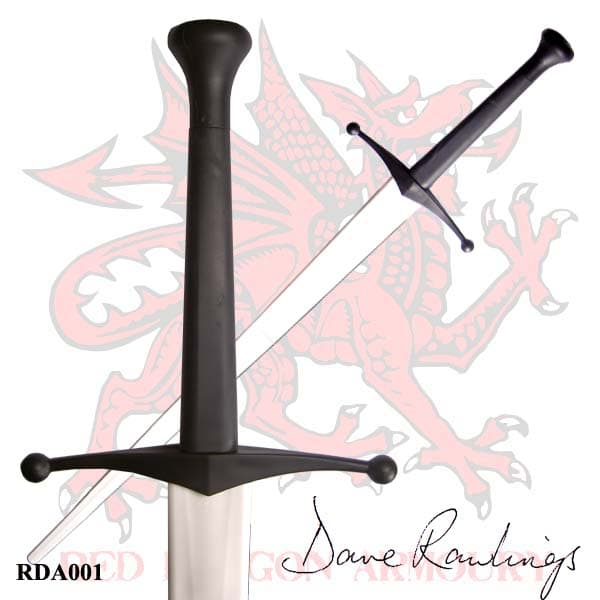
HROARR has put the Knightshop Synthetic Longsword, Pro-Line Extreme, back under the spotlight, and the reason is simple: this is still one of HEMA’s most argued-over training swords. The archive dates the original Dave Rawlings and Knightshop review to Aug. 2, 2011, and HROARR still describes the line as one of the most debated products in the sport. That matters because synthetic longswords are often the first serious weapon a beginner touches, and the choice shapes everything from loaner bins to tournament prep drills.
The pitch around the current Red Dragon and The Knight Shop version is clear. Retail listings describe it as modular, customizable and suited to beginners, with the sword taken apart by unscrewing the pommel. Sellers put it at about two-thirds the weight of a real longsword, with an overall length of about 48.5 inches and a 38-inch blade. Some product pages say the design was developed with Dave Rawlings and the HEMA community, and one HROARR note says the Pro-Line Extreme blades are said to be 20 times tougher than earlier versions. Current copy also calls it "practically unbreakable," while one retailer goes further and brands the Rawlings synthetic longsword "the Swiss Army Knife" of the HEMA world.

That combination tells you exactly who should buy it. A club looking for a durable loaner sword for beginner classes gets the clearest value, especially if the priority is safer handling, low maintenance and a trainer that can survive repetitive drilling, pell work and controlled sparring with proper protection. The same logic fits individual newcomers building a first kit, where price-to-longevity matters more than perfect steel-like feel. For that buyer, the Pro-Line Extreme makes sense because it is built to be used hard and often, not admired on a wall.
The tradeoff is handling. Synthetic trainers can help students learn distance, hand position and blade presence, but they do not replace steel, and clubs that care most about exact bind work or competition-specific realism will still want a different tool for later-stage preparation. Even so, the Knightshop line has stayed relevant because it sits at the point where safety, durability and budget collide. In a sport that depends on usable gear as much as technique, that is why HROARR keeps returning to it.
This article was produced by Prism’s automated news system from verified source data, official records, and press releases, then run through automated quality and moderation checks before publishing. The system is built and supervised by the people who set the standards it runs under. Read our full AI policy.
Did this article answer your question?