IFHEMA gives Historical European Martial Arts its international structure
IFHEMA is turning HEMA into a country-team sport, with national federations, selection rules, and a capped Cup that decides who wears a flag.
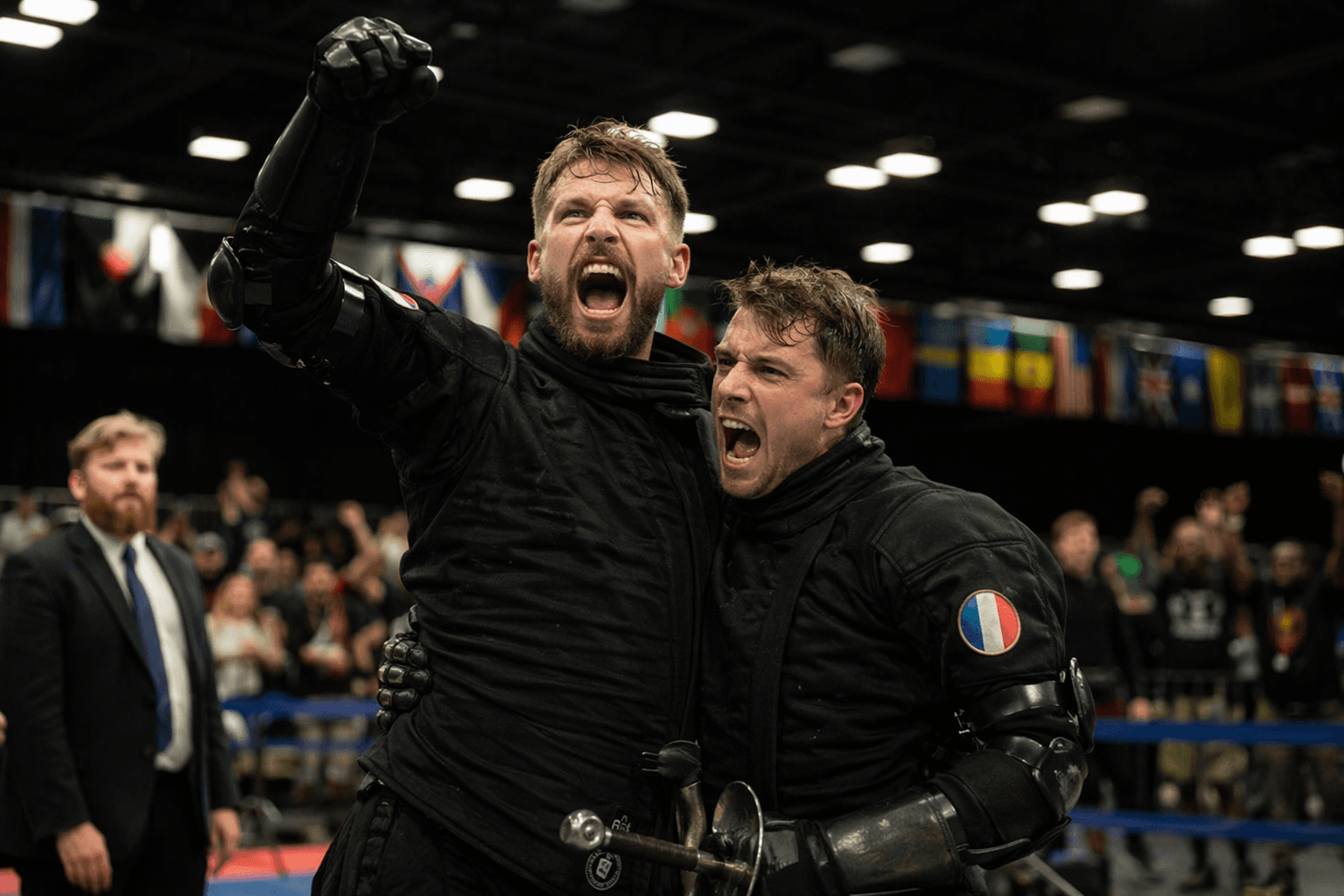
The 2025 IFHEMA Cup was scheduled for 6 September 2025 at the Sports Hall Notou in Aghia Paraskevi, Athens, Greece, giving Historical European Martial Arts something most clubs never have: a pathway from local fencing floor to national colors and an international championship model. The federation is built around national HEMA federations, or equivalent organizations, and it exists to connect members, coordinate their work, back them up, and protect their interests. In HEMA, representation is part sporting question and part identity question: who gets to speak for a country, who gets selected, and which clubs sit inside that national lane.
From clubs to a federation with a mission
The push to create IFHEMA began in 2010, when its founders set out to elevate HEMA worldwide. The body later launched in Vienna on 8 February 2014 under a provisional executive committee, then held its first regular General Assembly and elected a permanent committee in Geneva on 6 and 7 December 2014. A contemporaneous French federation announcement listed nine federations in the new international structure.
HEMA governance grew from a transnational network rather than from one dominant national model. Modern HEMA is a plural movement organized through local, national, and international bodies, which is exactly the space IFHEMA tries to occupy. The federation does not replace clubs or national communities; it tries to give them a shared layer above the tournament scene.
What IFHEMA’s by-laws actually do
IFHEMA’s by-laws give the organization the kind of framework that turns a loose network into a functioning international sport body. They set out objectives, procedures, governing bodies, and member rights and obligations, and they are written to allow the federation to grow and enlarge over time. In HEMA, training, historical interpretation, and competition rules often diverge from country to country.
The by-laws also draw a hard line on inclusion. IFHEMA and its members reject discrimination on grounds including ethnic origin, gender, language, religion, and politics, and the federation supports fair representation of women. English is the official language, while national languages are allowed for research and cultural-heritage work, a detail that fits HEMA’s dual identity as both combat sport and source-based historical practice. Members are encouraged to use services that support HEMA activities within a socially acceptable, responsible, and ethical frame, not as a one-size-fits-all command structure.
The biggest governance shift came on 24 September 2023, when an Extraordinary General Assembly changed the rules so countries with multiple representative federations, or coalitions of HEMA-practicing groups, can join on equal footing with countries represented by a single organization. It shapes the politics of who can be “the” national voice, and it gives mixed or divided national scenes a route into international competition without forcing a single domestic winner-take-all structure.
The IFHEMA Cup turns structure into sport
The clearest expression of that model is the IFHEMA Cup. Its framework refers to country delegates, requires member countries to appoint a curator for each edition, and limits the 2025 event to 14 national teams. That makes the Cup look less like an open-entry tournament and more like a nation-versus-nation championship, with the federation controlling how the field is built.
The first event under the new framework would feature only the longsword category. The single-discipline format narrows the sport to a single discipline, simplifies selection, standardizes comparison, and makes the international contest easier to read for teams that may otherwise specialize in different weapons or formats.
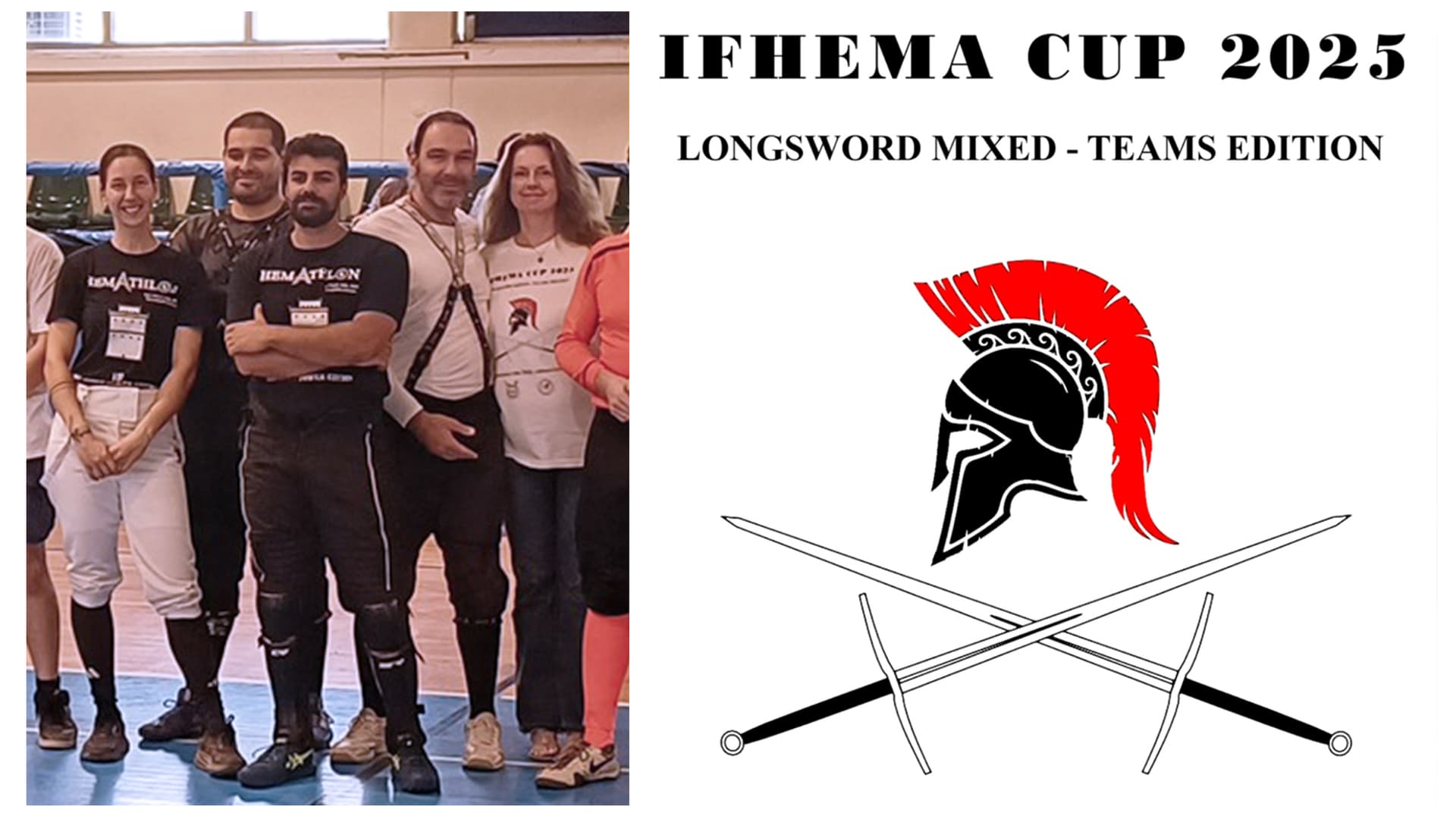
National teams must be assembled by member federations in a fair, transparent, and clearly communicated manner, and each team is led by a Team Captain who serves as the sole contact person for IFHEMA administration. The country-team model creates a formal chain of responsibility, from club level to federation level to the international body that sanctions the event.
A growing scene with future editions already mapped out
In a January 2026 update, IFHEMA listed the federation network at nearly 30 member clubs and more than 1,000 active fencers. The same update listed HEMA Austria, the Austrian Federation for Historical Fencing, at nearly 30 member clubs and more than 1,000 active fencers, with Vienna home to nine active clubs.
In a June 2026 member-information update, IFHEMA set the next IFHEMA Cup for Vienna in autumn 2027.
This article was produced by Prism’s automated news system from verified source data, official records, and press releases, then run through automated quality and moderation checks before publishing. The system is built and supervised by the people who set the standards it runs under. Read our full AI policy.
Did this article answer your question?