Ludus Ferocia spotlights kukri and eskrima seminar in Norfolk
Ludus Ferocia put kukri and eskrima front and center for a Norfolk weekend led by Tim Anderson. The club used the seminar to show how wide-ranging weapons programming can help a HEMA school grow.
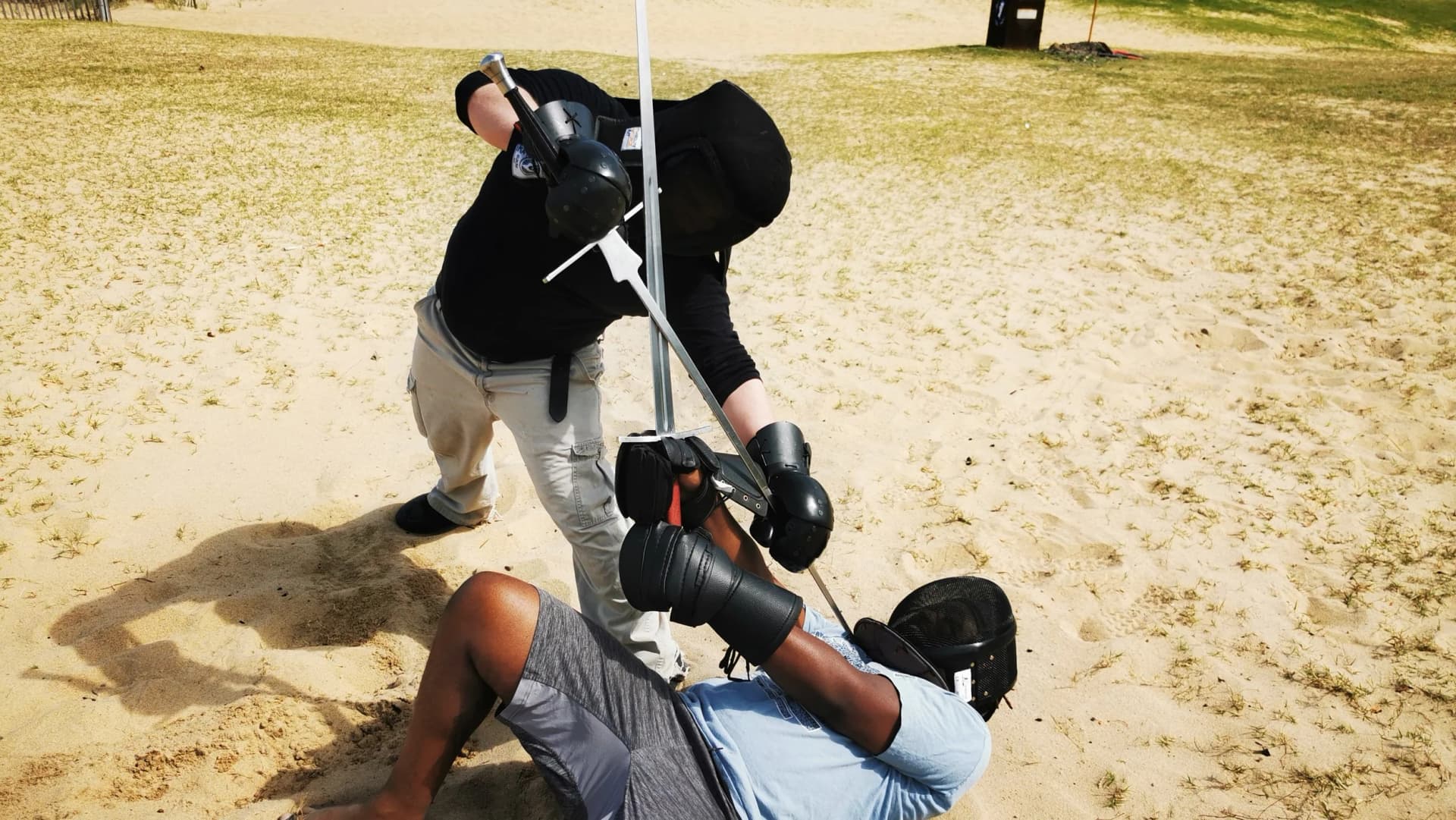
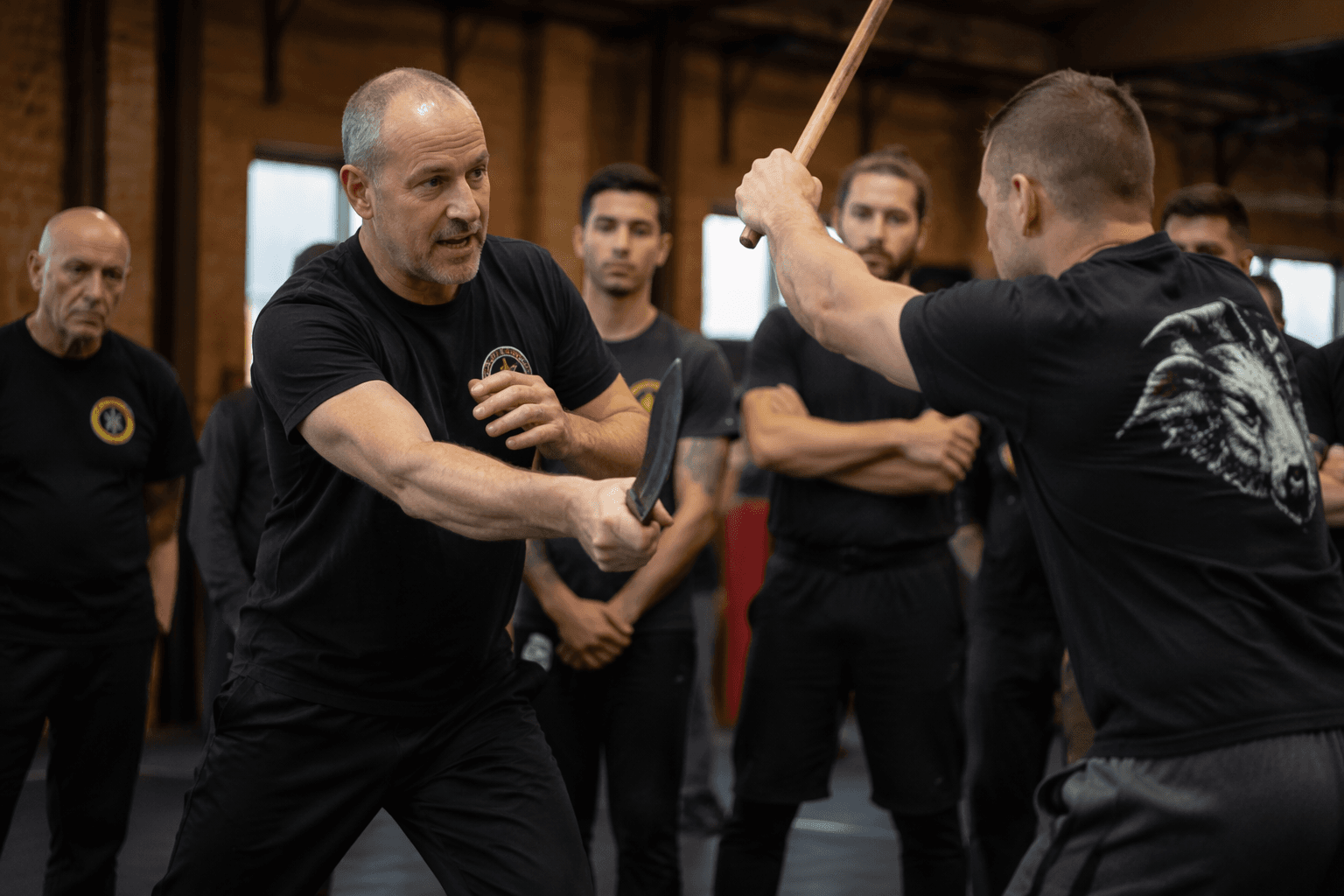
Ludus Ferocia put a kukri and eskrima double feature at the center of its June 13-14 weekend in Norfolk, Virginia, with Tim Anderson leading the seminar at Universal Combat Center. The Saturday and Sunday sessions were billed as a combative sticks and kukri workshop, with the June 13 portion emphasizing single-stick work as an offensive tool in defensive tactics and the blade material tied to the martial traditions of Gurkha warriors.
The choice says a lot about how the club is positioning itself inside the Historical European Martial Arts scene. Ludus Ferocia has never sold itself as a one-weapon school. Its Norfolk homepage lists long sword, spear, rapier, Irish stick, messer, kenjutsu, broadsword and saber, and smallsword, while the Fredericksburg branch lists long sword, sword and shield, great sword, messer, broadsword and saber, Doyle Irish stick, and combat fundamentals. That range gives the academy a broader identity than a standard longsword club and helps explain why a kukri seminar fits rather than jars.
Founded by Kai Tomas in early 2019, Ludus Ferocia started with a core emphasis on Japanese kenjutsu and German longsword, then expanded into a source-driven curriculum that the club links to Hans Talhoffer, Lecküchner, Capo Ferro, Giganti, McBane and Marozzo. The about page says the organization studies Historical European Martial Arts and Japanese Sword Arts, and it openly welcomes and competes with other weapon-based martial arts systems outside what it teaches. For a modern weapons school, that matters: eclectic programming can pull in students who may arrive for stick work, blade arts, or cross-training and then stay for the deeper technical path.
The infrastructure behind that strategy is equally telling. Ludus Ferocia says it has academies in Norfolk and Fredericksburg, with the Norfolk facility occupying 5,000 square feet at 5000 Colley Avenue and the Fredericksburg site offering 2,000 square feet of open training space. The Fredericksburg branch also says training swords and equipment are available to students who do not have their own, a practical detail that lowers the barrier to entry. The club’s mix of free class signups, memberships, private coaching, event weekends and a shop points to a school that is building both retention and reach.
That makes the Norfolk seminar more than a niche weekend. With Anderson teaching kukri and eskrima through the lens of single-stick and combat tactics, Ludus Ferocia used the event to reinforce a broader message: modern HEMA and Japanese fencing clubs can grow by widening the weapon set without abandoning historical rigor.
This article was produced by Prism’s automated news system from verified source data, official records, and press releases, then run through automated quality and moderation checks before publishing. The system is built and supervised by the people who set the standards it runs under. Read our full AI policy.
Did this article answer your question?