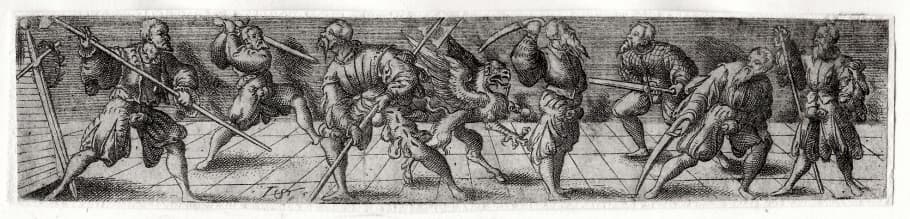
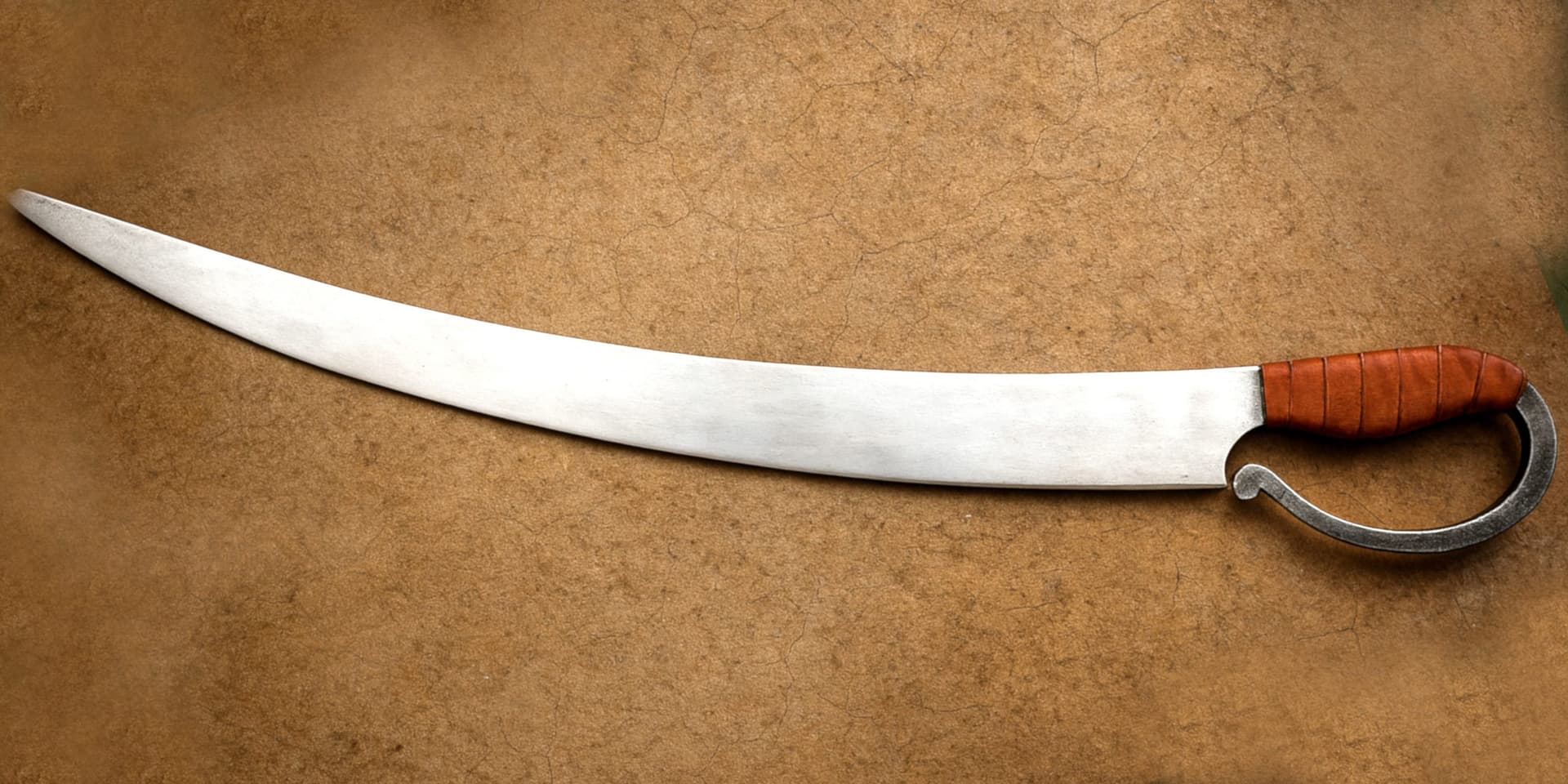
MS I.33 reveals the oldest surviving European fencing manual
MS I.33 anchors modern sword-and-buckler work with wards, counter-covers and binding from the earliest surviving European fencing manual.
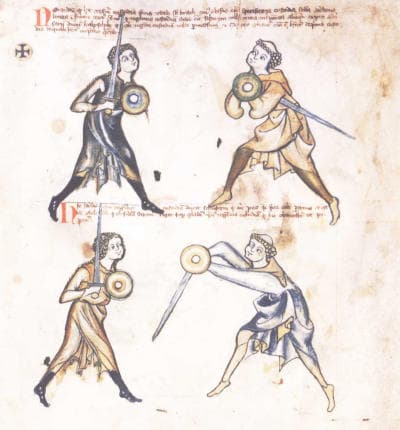
MS I.33 still sets the terms for how modern sword-and-buckler fencers read medieval combat because it is held by the Royal Armouries in Leeds, United Kingdom, and is usually dated to the early 14th century. Widely described as the oldest surviving European fencing manual, it is the clearest early proof that HEMA is built on technical reconstruction, not just replica weapons and free sparring.
That matters in the salle. I.33 is centered on sword and buckler, a compact pairing that looks simple until the plays start asking for ward positions, counter-covers, binding, and constant control of distance, line, timing, and initiative. The Royal Armouries calls it the “Medieval German Fencing Manual,” and its online material describes it as one of the oldest and most enigmatic treasures in the museum’s archives. In 2018, the museum began a YouTube video series that presents interpretations of the manuscript’s plays, turning a manuscript folio into something a modern fighter can pressure-test.
Libraries in Leeds places MS I.33 at about 700 years old and identifies it as the earliest known example of a European martial-arts manual, or Fechtbuch. Its exhibit also points out the two main illustrated figures, the priest and the scholar, which have become shorthand for the manuscript’s visual identity in HEMA circles. Wiktenauer notes an image on folios 31v-32r that includes St. Walpurga in her ward, one reason the work is also known as the Walpurgis Fechtbuch.
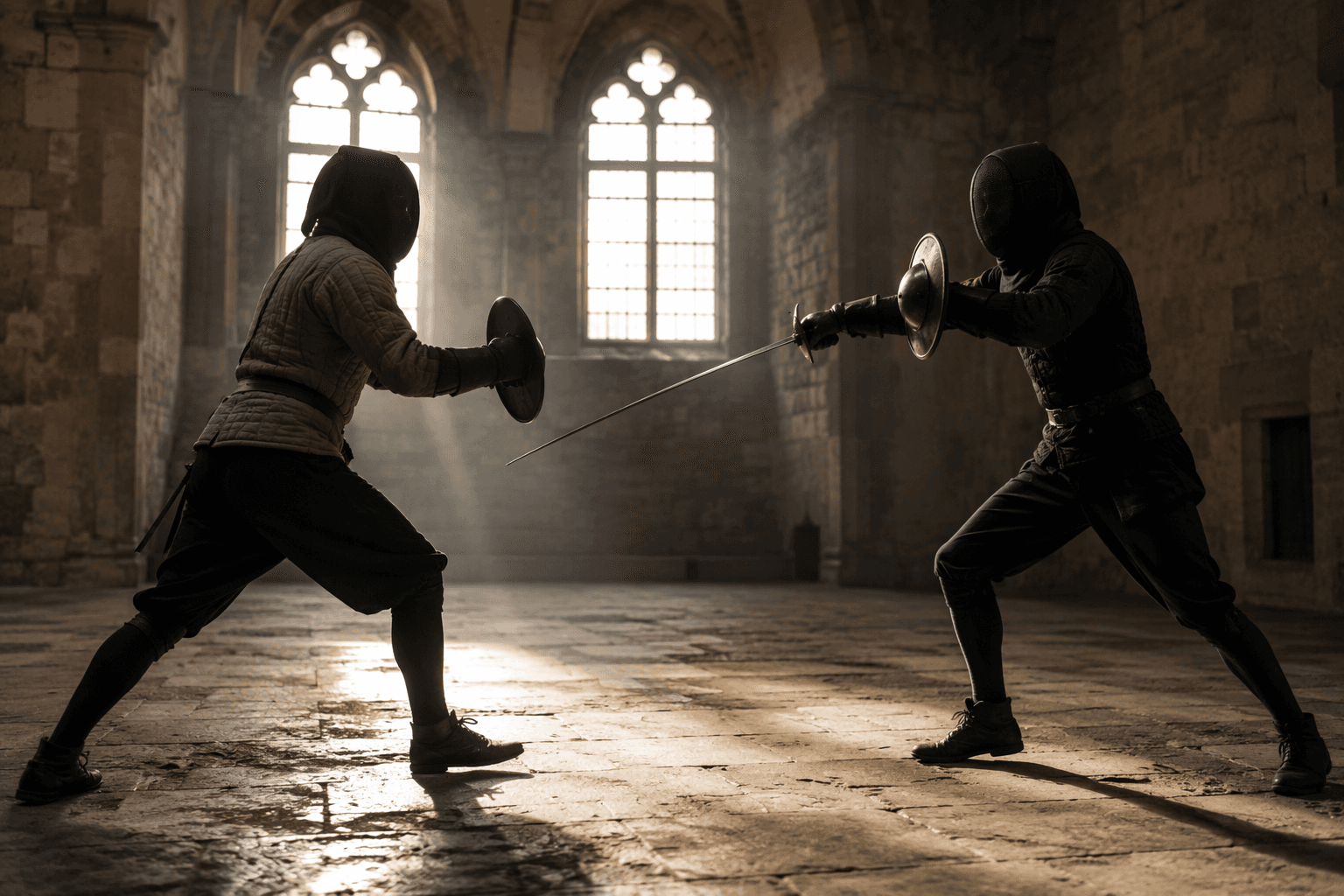
That iconography has not kept the manual in the past. The Royal Armouries shop copy says the manuscript was produced in Germany in the early 14th century and documents techniques through illustrated plays, while the museum has also marketed an exclusive I.33 sword tied to the manuscript. The commercial afterlife is telling: I.33 is not just a reference point for scholars, but a source that still shapes equipment, drilling, and the assumptions judges bring to sword-and-buckler bouts.
A 2012 Medievalists.net item described it as the world’s oldest surviving fight book, a label that has stuck because no later source has displaced its place in the record. ARMA still lists I.33 as a core medieval German sword-and-buckler manual, and that is why it remains foundational in HEMA: it is the rare source where the earliest surviving evidence and the modern competitive playbook still overlap.
This article was produced by Prism’s automated news system from verified source data, official records, and press releases, then run through automated quality and moderation checks before publishing. The system is built and supervised by the people who set the standards it runs under. Read our full AI policy.
Did this article answer your question?