Pinchpoint 2026 pairs HEMA mentors with new fighters in low-pressure format
Pinchpoint 2026 turns beginner longsword into a coached tournament lab, keeping new fighters with a mentor instead of tossing them into a sink-or-swim bracket.
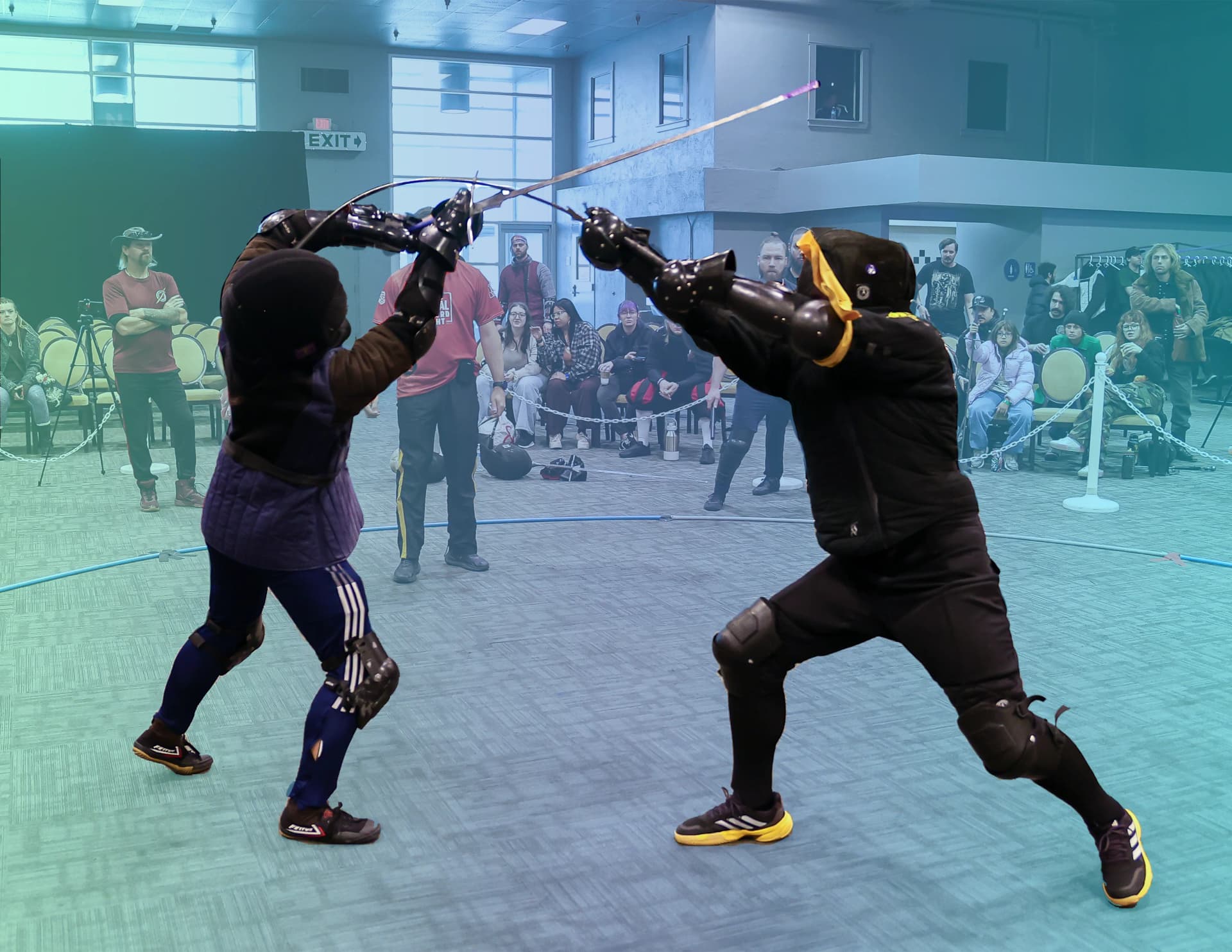
Pinchpoint 2026 is built to solve a problem HEMA knows well: how to give new fighters real tournament experience without turning their first bracket into a stress test. The event pairs experienced fighters and instructors with newcomers in a low-key format built around participation, learning, and friendship, and it keeps the mentorship active for the entire run of the tournament.
A tournament built around coaching, not just placing
The defining mechanic is the mentor model. Participants are called “crablets,” and each one stays in a “bushel” with a mentor throughout the entirety of the tournament, so the student is never left to fend for themselves after the first exchange. That setup gives mentors room to offer personalized coaching, informal sparring, and ad hoc lessons in real time, which changes the feel of the floor from elimination pressure to guided development.
That matters because the usual tournament arc can be brutal for beginners. A standard bracket often gives a novice one or two bouts, then a quick exit and a long wait; Pinchpoint replaces that with continuous attention and a clearer learning loop. The structure does not remove competition, but it does make the competition usable as a teaching tool.
Why the format stands out in HEMA
Maryland KdF describes Pinchpoint as a rookie and beginner-only tournament held in May, and says it is currently only offered for longsword. That combination tells you exactly who the event is for: new students who need tournament reps, not veterans chasing another medal run. It is a narrow lane, but that narrowness is the point.
In a sport where a lot of events are built around rankings, seedings, and final placements, Pinchpoint flips the emphasis. The stated goal is to promote participation, learning, and friendship in a casual environment, which makes the mentor pairings the core feature rather than a side perk. For newer fencers, the payoff is not just surviving a bout list, but getting instruction while the pressure is still present and the lessons are still fresh.
The format also works because it keeps the social side of HEMA intact. A mentor standing beside a newcomer during live bouts changes the atmosphere in a way that a standard elimination bracket does not. The student gets the rhythm of tournament fencing, the etiquette, and the emotional pace of the floor, but with a coach close enough to adjust strategy on the fly.
What to expect at registration and on the floor
Pinchpoint 2026’s TidyHQ event page added a clear health requirement: attendees had to present a negative COVID-19 test from within 24 hours prior to the event at registration. That is a concrete rule, not a suggestion, and it shows the organizers were pairing a low-pressure competitive format with a tight check-in process.
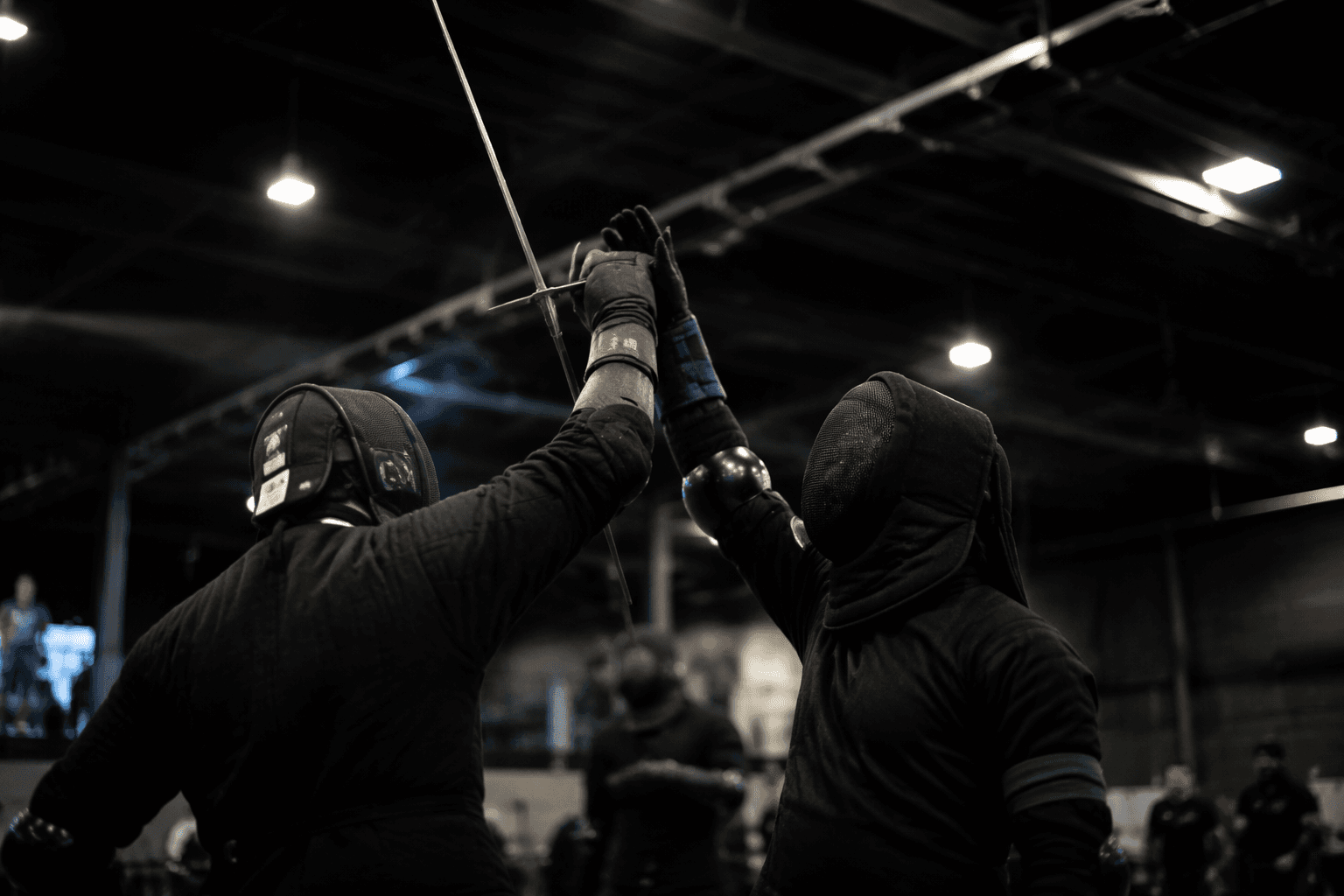
Once the tournament starts, the floor model is more guided sparring than isolated bracket warfare. The mentor remains with the crablet for the full event, which means advice can be immediate and specific instead of delayed until after the bout. In practice, that gives newer fighters a chance to test choices, get corrected, and try again without losing the support structure that usually disappears the moment a bracket begins.
For clubs, that design is especially useful because it keeps novices engaged long enough to learn something from the day. The event exposes them to the pace, pressure, and etiquette of live competition, but it does so without making the first outing feel like a public referendum on their skill level. That is a better on-ramp than the sink-or-swim model most beginners meet first.
Pinchpoint’s place in the wider Maryland HEMA scene
The format did not appear out of nowhere. A MyTHS news post about Pinchpoint 2025 said five members took the floor that weekend, including three from a beginner longsword class. That detail matters because it shows the event already functions as a bridge from classroom work to tournament fencing, not just as a novelty bracket.
That bridge is what makes Pinchpoint interesting beyond Maryland. The event gives instructors a controlled environment to move beginners from drills into pressure-tested bouts while still keeping feedback immediate and personal. If more organizers want to grow their beginner pipeline, this is the model to watch: keep the competitive frame, but embed coaching directly inside it.
Pinchpoint’s listing on HEMA Scorecard also fits that broader role. HEMA Scorecard is free online tournament management software for Historical European Martial Arts tournaments, so the event sits inside a familiar competitive infrastructure even while its format pushes away from convention. That combination makes Pinchpoint less like an isolated club exercise and more like a template other events could copy if they want better retention from first-time fighters.
Why this model could spread
The reason Pinchpoint is worth watching is simple: it does not ask beginners to choose between learning and competing. It gives them both, and it does so in one structured tournament day. The mentor-led bushel format, the beginner-only focus, and the longsword-only scope all point to the same idea, which is that tournament stress can be managed without flattening the competitive experience.
That is a useful lesson for the wider HEMA scene. If the sport wants more new fighters to stay after their first event, the path is not just more brackets. It is more formats that turn the bracket itself into a lesson, and Pinchpoint 2026 is built exactly that way.
This article was produced by Prism’s automated news system from verified source data, official records, and press releases, then run through automated quality and moderation checks before publishing. The system is built and supervised by the people who set the standards it runs under. Read our full AI policy.
Did this article answer your question?