2029 Indiana prospects climbing fastest, led by Bazin, Davis and Dease
Indiana’s 2029 race is tightening fast, and the risers at Crown Point, Lawrence North and beyond are already changing the pecking order.

The important thing about Indiana’s 2029 board right now is that it is no longer just a snapshot of who looks good. It is a moving target, with real varsity production and real physical growth pushing certain names ahead of the pack, and that shift matters because coaches, recruiters and fans are all trying to spot the next breakout before the rest of the state catches up.
1. Liam Bazin
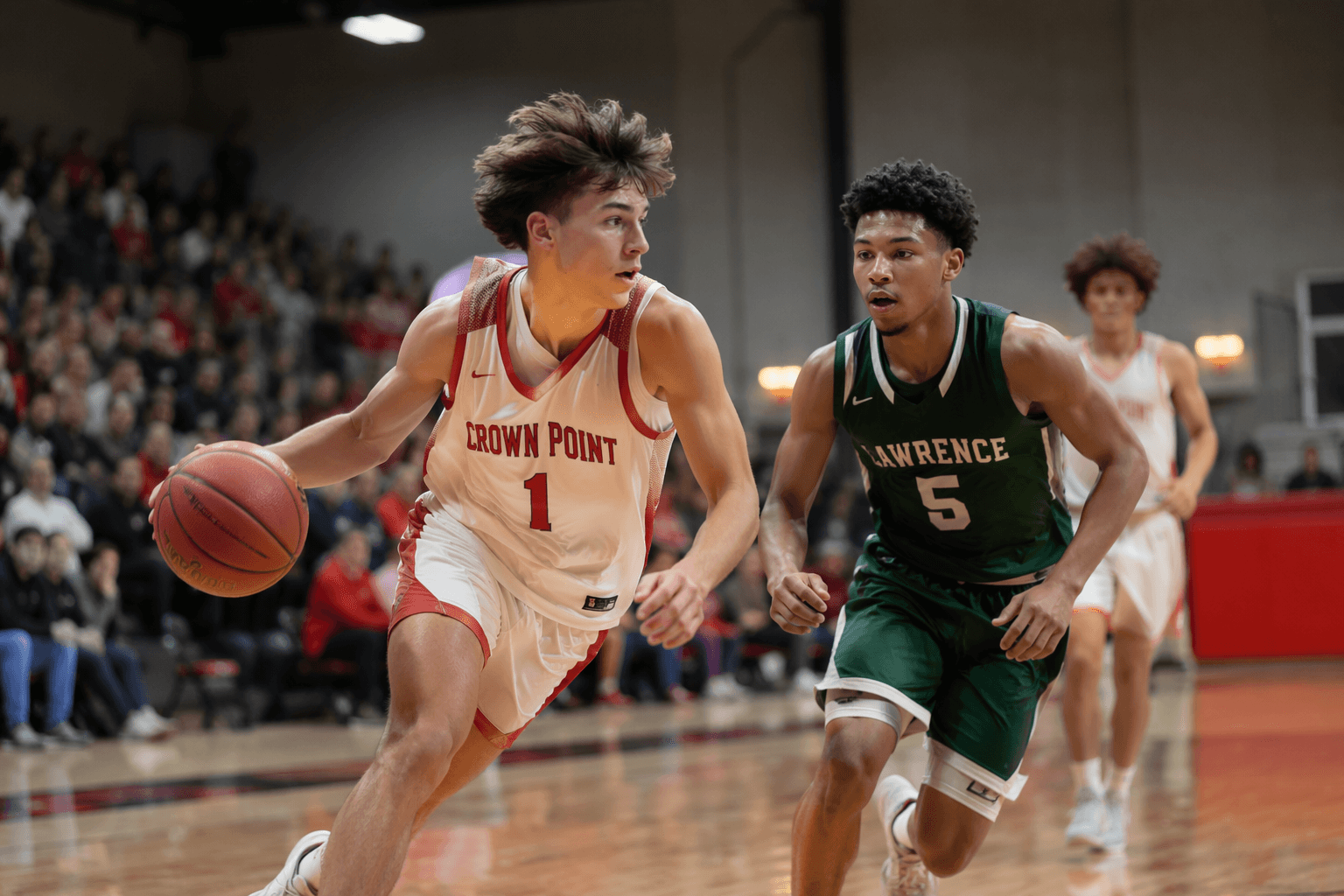
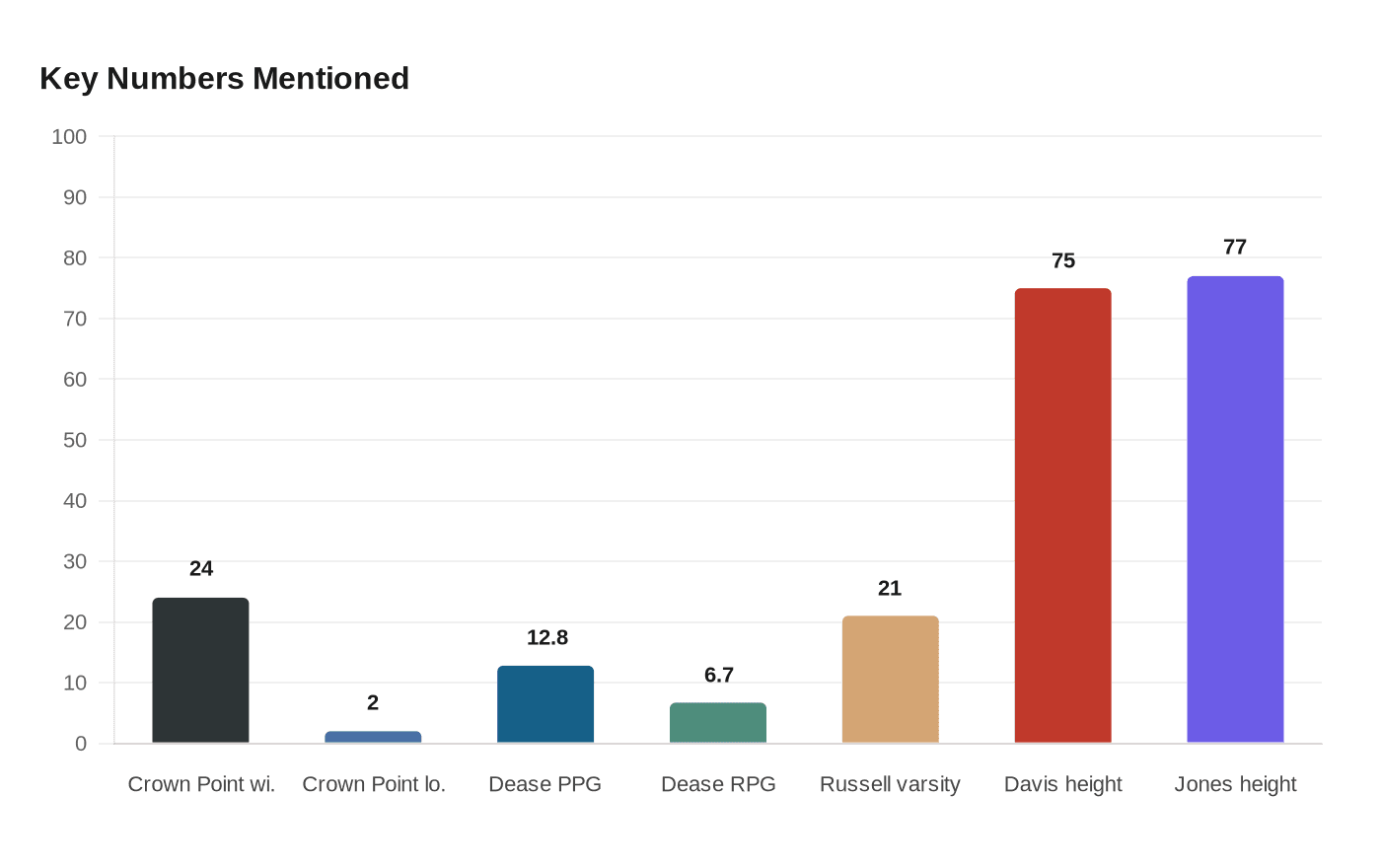
Bazin has the cleanest chance to rewrite the hierarchy because Crown Point does not make life easy for young players. The Bulldogs finished 24-2 and played for the IHSAA Class 4A state championship at Gainbridge Fieldhouse, so if Bazin turns into a real sophomore piece there, it means he is forcing his way onto one of Indiana’s most demanding stages.
2. Julian Davis
Davis is the kind of wing who keeps a strong program’s future in motion, and Lawrence North gives him a chance to matter in a big way. Listed by Prep Hoops as a 6-foot-3 small forward in the 2029 class, he fits the mold of a player whose rise is about both tools and opportunity, because that school keeps producing college-caliber talent and Davis is next in line to add to that reputation.
3. Grayson Dease
Dease has the most straightforward résumé of the group: 12.8 points and 6.7 rebounds per game as a freshman at Evansville Reitz. That is not empty projection, that is production, and it tells you he already has the size, feel and motor to carry real varsity responsibility before most players in his class have even settled into a role.
4. Braysen Russell
Russell’s rise jumps off the page because the numbers are already loud enough to travel statewide. Prep Hoops lists the Austin guard as a 6-foot combo guard in the 2029 class and says he was one of the top scorers in the state as a freshman last season, while MaxPreps shows 21 varsity games logged and a stat update on April 1, 2026.
That matters because volume changes the conversation. A freshman can have one hot weekend and get talked about; Russell’s track record says his scoring held up over a real varsity sample, which is why he looks more like a rising problem for opponents than a one-note prospect.
5. Parker Jones
Jones is climbing because he already has something coaches trust: varsity minutes at Warren Central. Prep Hoops lists him as a 6-foot-5 power forward in the 2029 class, and at a program that expects size and toughness to show up immediately, even limited floor time says he is earning his way into the rotation rather than waiting for his turn.
That is the part that should matter to anyone tracking Indiana’s next wave. Prospects who can help a high-level team now usually speed up faster than the rest, and Jones is giving Warren Central a reason to believe his ceiling is not far from his present role.
6. Bryce Yoder
Yoder is still early in the climb, but that is exactly why he stays on the radar. Hudl identifies the Westview guard as a class of 2029 player at Westview High School in Topeka, Indiana, and with the program coming off a strong season and the Yoder name already tied into school basketball history, the family and the floor both create a little extra intrigue.
The appeal here is future-facing. Yoder does not need to be fully formed yet to matter in this conversation, because the early stages of development are when a player can separate fastest if the skill base is real.
7. The bigger 2029 picture
The reason this list feels so important is that Indiana’s 2029 class is not just deep, it is actively changing in front of us. The 88th boys Indiana All-Star week in 2026 is another reminder of how quickly the state elevates the right names, and this group is starting to look like the next wave that will force a fresh debate once the rankings update again.
Bazin’s chance to break through at Crown Point, Davis’s wing value at Lawrence North, Dease’s freshman production, Russell’s scoring volume, Jones’s varsity minutes and Yoder’s upside at Westview all point to the same thing: the fastest movers are no longer hidden. They are already making coaches adjust, and that is how a class goes from promising to defining.
This article was produced by Prism’s automated news system from verified source data, official records, and press releases, then run through automated quality and moderation checks before publishing. The system is built and supervised by the people who set the standards it runs under. Read our full AI policy.
Did this article answer your question?