Hinkle Fieldhouse became Indiana high school basketball’s iconic home
Hinkle was built for basketball, then claimed by Indiana. Its 15,000 seats, state finals history, and landmark games made it the standard for high school tradition.
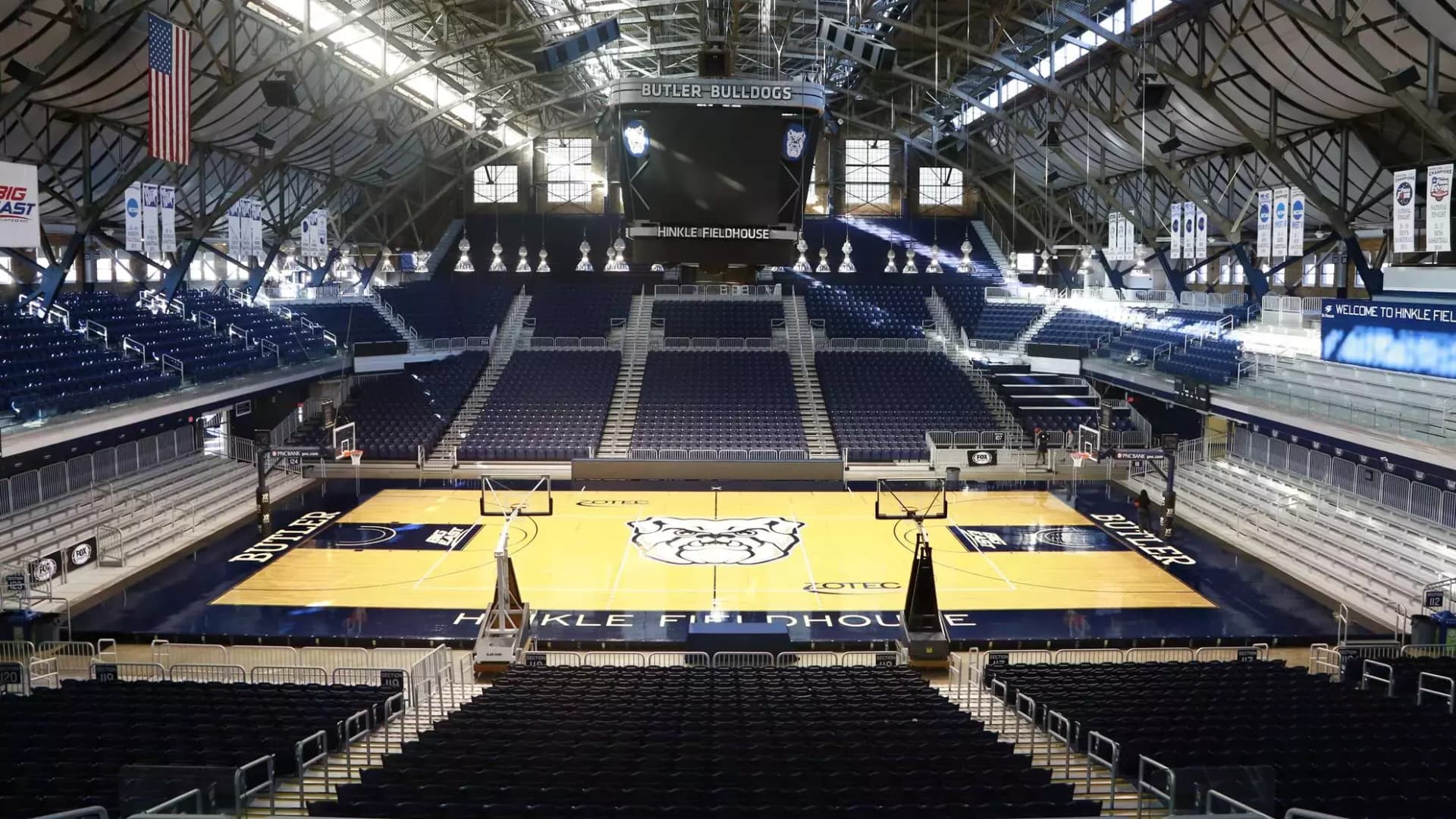
Butler Fieldhouse opened with a scale Indiana had never seen, and the state’s biggest high school games quickly found their natural stage there. Financed by 41 Indianapolis businessmen and built with 15,000 seats, the arena was the largest basketball venue in the country for more than 20 years, a fact that helped turn it from a campus building into a statewide landmark. The building’s design even changed to match the crowd, with the court reoriented in 1933 to improve seating and sightlines, a rare reminder that Hinkle Fieldhouse was built around the tournament atmosphere as much as the game itself.
Built to hold the state
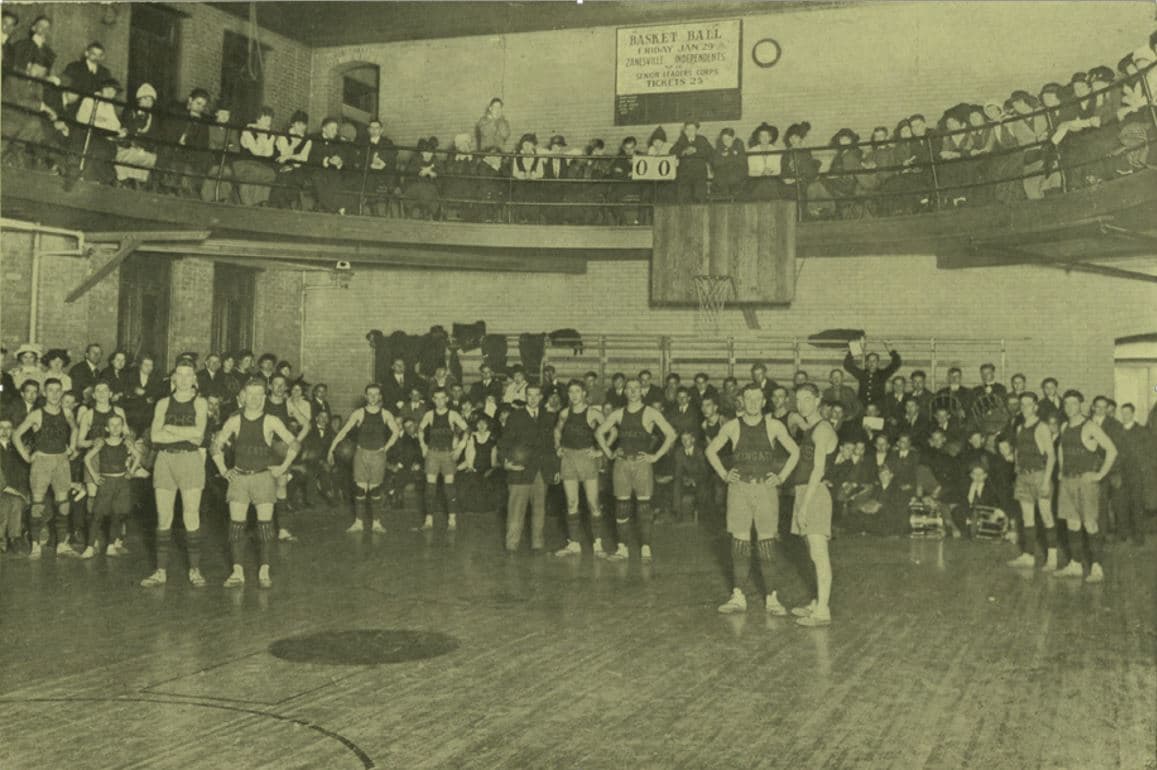
The arena’s connection to Indiana high school basketball was baked in early through Butler’s lease agreement with the Indiana High School Athletic Association. The IHSAA began holding its annual boys championships there in 1928, and the fieldhouse became the fixed point around which March basketball built its mythology. Long before modern neutral-site tournaments became commonplace, Hinkle gave the state a single place to gather, judge, cheer, and remember, which is why its name still carries such weight with high school fans.
That role only deepened as the building became the center of championship season. Indiana Historical Society materials identify Hinkle as one of the state’s most iconic basketball sites and note that it hosted many high school championship and tournament games. The Indiana Historical Bureau’s marker history says the fieldhouse hosted the IHSAA State Basketball Finals each March through 1971, while the Indianapolis Encyclopedia notes that the building hosted state championship games 41 times between 1911 and 1994, more than twice as many as any other venue. Those numbers explain why Hinkle is spoken of as a cathedral: it was not simply old, but repeatedly chosen for the games that mattered most.
The finals that built the legend
The building’s hold on Indiana basketball did not come from nostalgia alone. It came from the pressure, scale, and permanence of championship basketball played inside a place that could absorb the whole state’s attention. When the boys finals left for Assembly Hall in 1972, the era of Hinkle as the championship home changed, but its identity did not. Sectional play continued there through 1993, and the venue remained tied to the state tournament long enough to become inseparable from the way Indiana remembers its own basketball past.
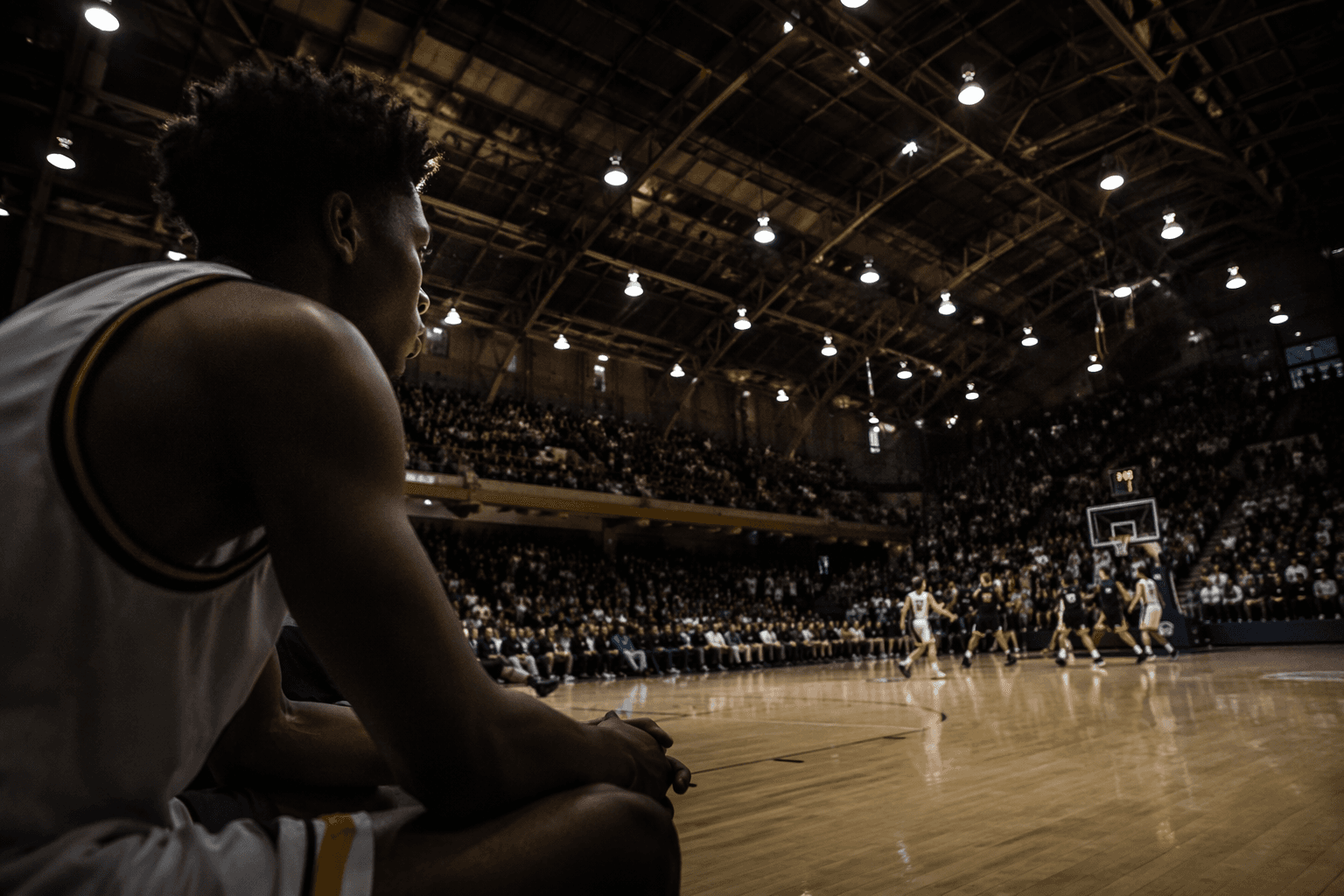
Hinkle’s championship history also tracks the changing geography of Indiana basketball. The State Historical Marker program and the Indianapolis Encyclopedia together frame the building as the central stage of a tournament system that evolved over decades, with state finals moving and sectional play eventually shifting away. Even after those changes, Hinkle remained the standard by which other basketball buildings were measured because it had already hosted generations of decisive games in front of the state’s most invested crowds.
Milan, Crispus Attucks, and the social meaning of a title game
Hinkle’s mythology is inseparable from the games that became part of Indiana sports identity. The 1954 Milan title game at Butler Fieldhouse became the Milan Miracle, the upset that later inspired *Hoosiers* and gave the building one of the most famous moments in high school basketball history. That game matters not only because it was dramatic, but because it fixed Hinkle in the state’s cultural memory as the place where unlikely champions could become legends.
The building also carried the weight of change in Indiana’s racial history. Crispus Attucks won the 1955 and 1956 boys state titles there, and the 1955 team became the first all-Black team to win a state high school basketball title. Those victories gave Hinkle a significance beyond architecture or tournament logistics. They made the fieldhouse a setting where Indiana’s basketball story intersected with a broader social shift, and they remain central to why the building’s reputation reaches far beyond Butler’s campus.
The girls game finds its first crown
Hinkle’s championship story extends beyond the boys tournament. Butler’s history page notes that the fieldhouse hosted the first girls high school state basketball championship in March 1976, adding a new chapter to the building’s role in Indiana sports. Verified records identify the first girls champions as Warsaw, which defeated Bloomfield 57-52 on February 28, 1976, and finished 22-0.
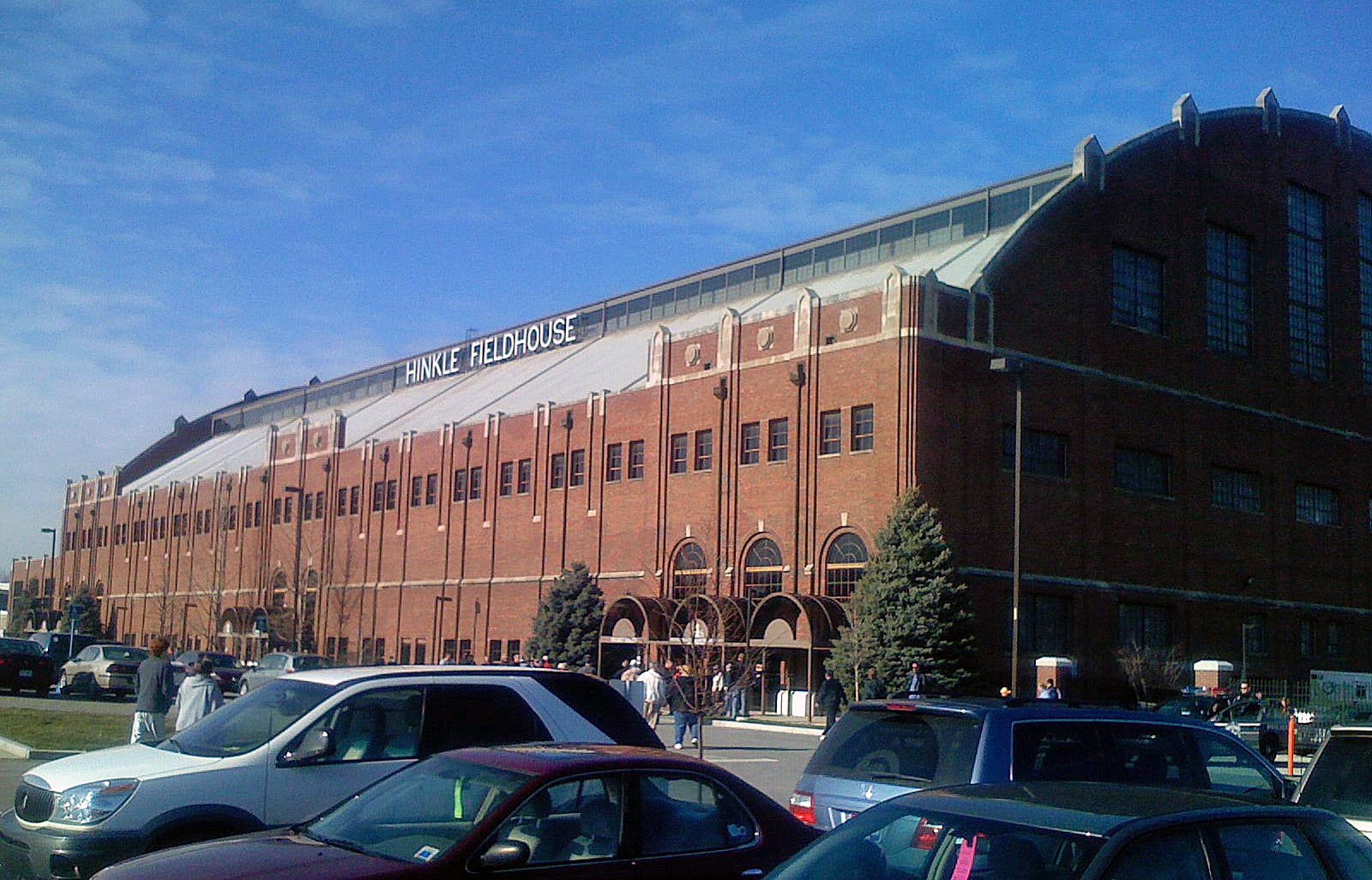
That result matters because it places Hinkle at the start of another tradition, not just the end of an old one. The Indiana Basketball Hall of Fame preserves Warsaw’s place in history as the first IHSAA State Girls’ Basketball Tournament champion, and the IHSAA girls records book keeps that final in the state’s official memory. In a state where basketball identity is built game by game, Hinkle became the venue where the girls championship era took root.
A civic landmark with a life beyond basketball
Hinkle’s reach has always gone beyond the hardwood. The Indiana historical marker says the building hosted presidential speeches, concerts, and circuses, which helps explain why it was understood as a civic gathering place as much as a sports venue. That broader use strengthened its place in Indianapolis and made the fieldhouse a familiar landmark even for people who never bought a ticket to a tournament game.
The building’s formal honors followed that civic importance. It was renamed Hinkle Fieldhouse in 1965 in honor of Paul D. “Tony” Hinkle, added to the National Register of Historic Places in 1983, and designated a National Historic Landmark in 1987. A major renovation in 1989 reduced seating from 15,000 to 11,000, and Butler’s facilities page says later changes brought capacity to 10,000 and then 9,100. The numbers changed, but the meaning did not: the place remained tied to the scale and memory of Indiana basketball.
That relevance is not limited to the past. Butler says Hinkle was one of six Indiana venues used for the 2021 NCAA Division I Men’s Basketball Championship, a modern reminder that the fieldhouse still carries symbolic weight nearly a century after opening. For high school basketball fans in Indiana, that is the point of Hinkle Fieldhouse. It is the building that taught the state what a championship stage should look and feel like, and it still defines the standard every winter when March basketball arrives.
This article was produced by Prism’s automated news system from verified source data, official records, and press releases, then run through automated quality and moderation checks before publishing. The system is built and supervised by the people who set the standards it runs under. Read our full AI policy.
Did this article answer your question?