IHSAA rejects 35-second shot clock proposal in 17-1 vote
Indiana stayed with tradition, rejecting a 35-second shot clock 17-1 even as 32 states and the NCAA have moved faster. The vote exposed a split between coaches and administrators.
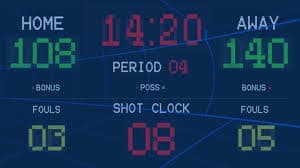
The Indiana High School Athletic Association board voted down a 35-second shot clock for varsity boys and girls basketball, rejecting the Indiana Basketball Coaches Association proposal 17-1 on May 4, 2026. The rule would not have hit the floor until the 2028-29 school year, but Indiana will keep playing without a clock for now.
The vote landed squarely on the fault line that has defined this debate for years: tradition versus modernization. Paul Neidig made that plain when he pointed to Indiana’s basketball identity, saying, “Tradition definitely carries a lot here in Indiana, maybe more than other states,” while also noting that the board looked closely at how many possessions actually stretch beyond 35 seconds.

The numbers behind the proposal showed a state divided. The IBCA said 68% of the 612 coaches who responded to its survey favored a shot clock. The IHSAA’s own administrator meetings told a different story, with 79 in favor and 245 opposed. The board chose the stronger resistance, and the 17-1 margin left no doubt about where the decision stood.
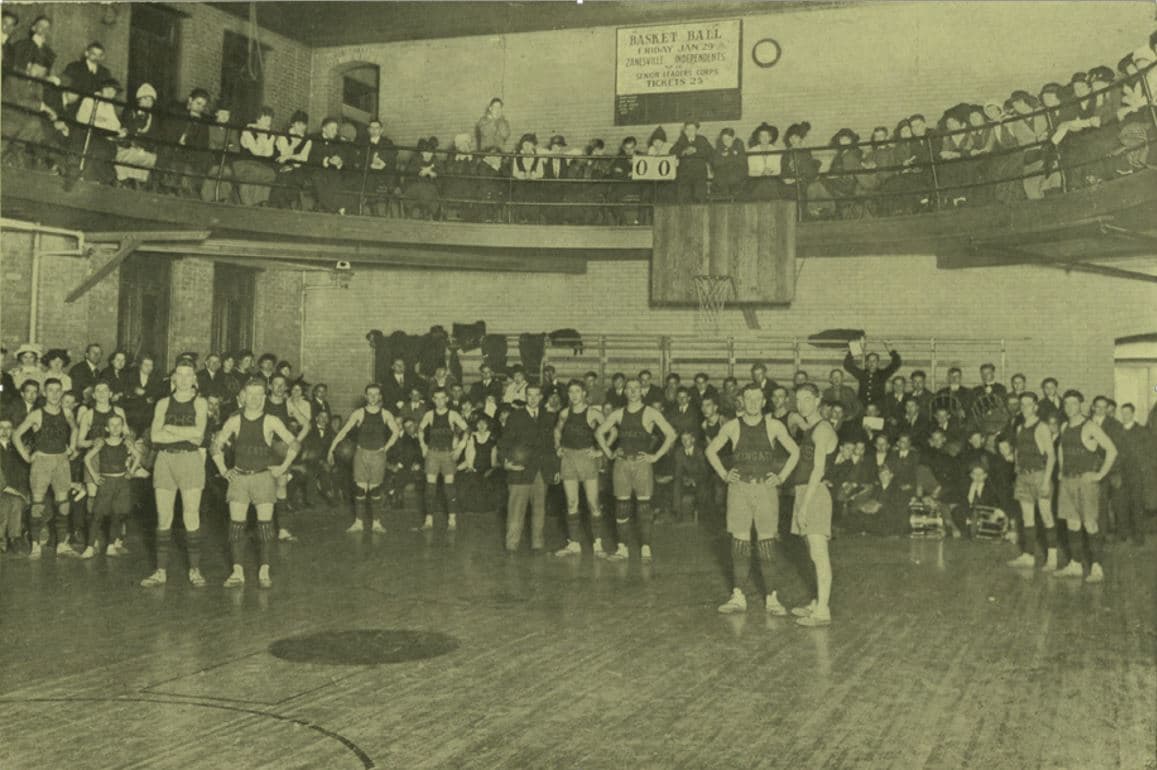
That choice matters because Indiana is no longer an outlier by accident. At least 32 states already use a shot clock in high school basketball, and Alabama, Kentucky, Pennsylvania, Florida and Oklahoma have adopted one recently. The college game has been on this path for years: the NCAA cut its shot clock from 35 seconds to 30 in 2015, and the NBA has lived with a 24-second clock since 1954. Indiana’s refusal keeps its high school game aligned with a slower, more old-school rhythm than the levels many of its best players are headed toward.
Supporters of the proposal argued that a clock would modernize play and cut down on stalled possessions, especially in late-game situations when teams can run out long, empty trips just to bleed time. Opponents raised practical concerns about the cost of shot-clock equipment and the personnel needed to operate it, and those concerns clearly carried weight inside the board room.
The shot clock was not the only major item on the May 4 agenda. The IHSAA also approved Personal Branding Activities for student-athletes, a rule change that takes effect in the 2026-27 school year. That contrast was hard to miss: Indiana moved forward on one modernization, then slammed the door on another.
For now, the state’s high school game keeps its familiar shape, but the gap is widening. Every year more states and every higher level of the sport ask players to make quicker decisions, move the ball earlier and survive in a faster possession game. Indiana just chose to stay put.
This article was produced by Prism’s automated news system from verified source data, official records, and press releases, then run through automated quality and moderation checks before publishing. The system is built and supervised by the people who set the standards it runs under. Read our full AI policy.
Did this article answer your question?