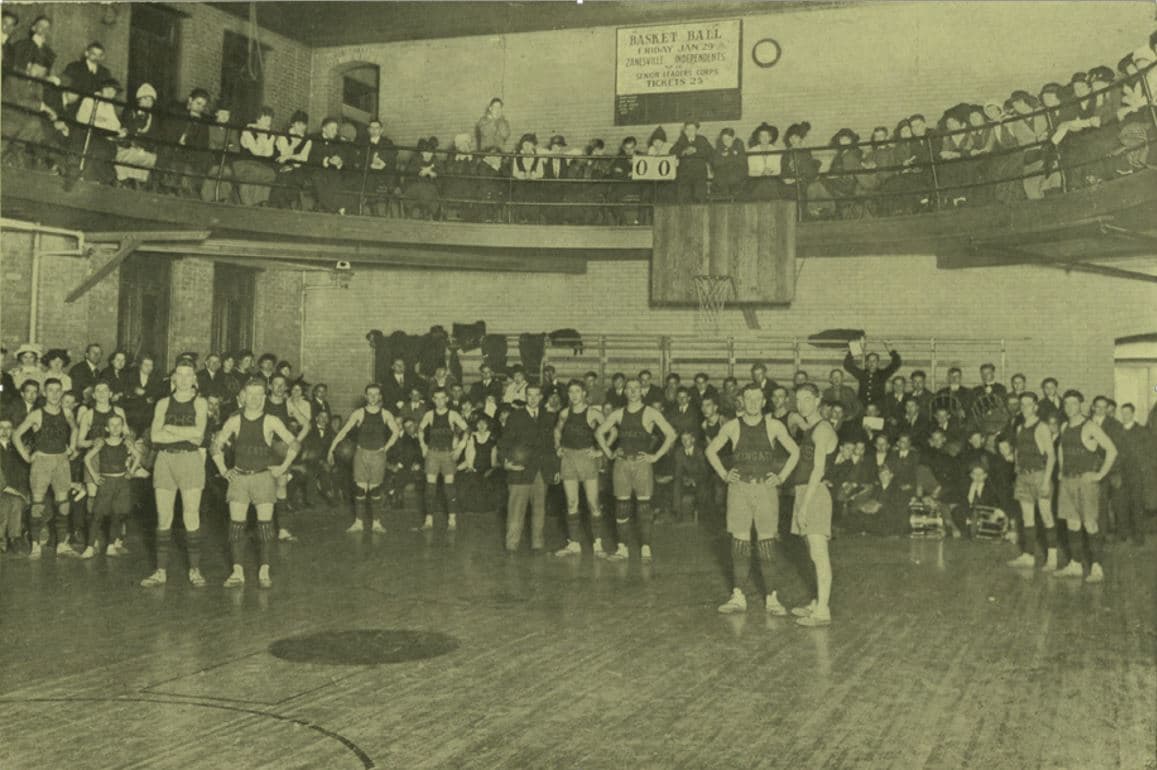
Indiana girls basketball grew through a separate statewide league structure
Indiana girls basketball was built by a parallel league, not just an IHSAA bracket. The records show decades of separate governance that shaped today’s tournament culture.
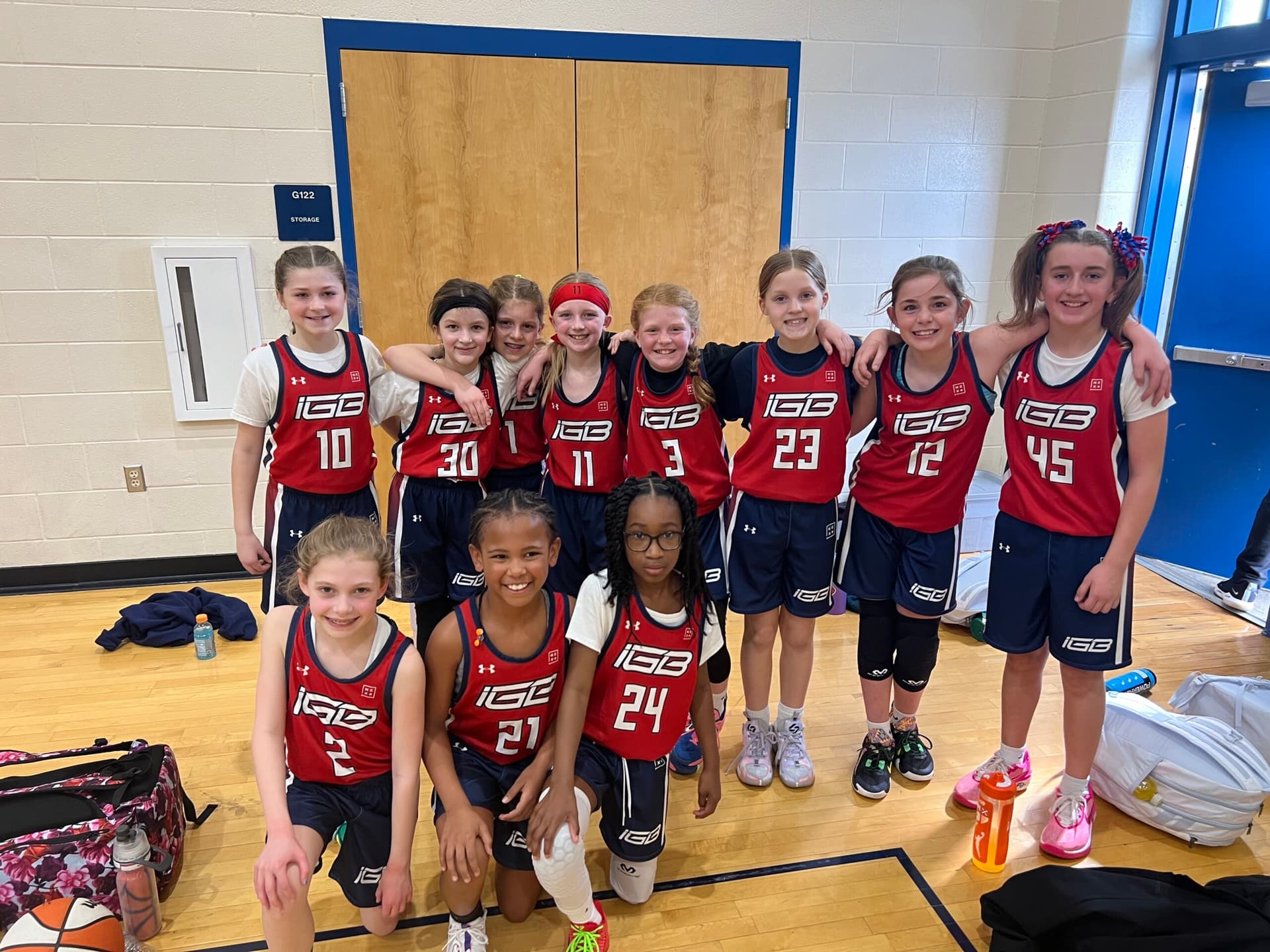
Indiana girls basketball did not begin inside the boys’ tournament machine. It grew inside a separate statewide league, built by physical education teachers in 1931, and that parallel structure left the records, routines, and traditions that still define the sport today.
The parallel league that came first
The Indiana League of High School Girls' Athletic Associations was founded in 1931 by a committee of physical education teachers who wanted to strengthen the physical education and extracurricular program for high school girls. That origin matters because it shows girls athletics in Indiana were not an afterthought waiting for a later sanctioning body. They were organized on purpose, with their own leadership and their own statewide identity, long before girls basketball entered the modern IHSAA tournament framework.
The Indiana State Library finding aid makes the separation plain. Even as the Indiana High School Athletic Association and the league were still discussing rules and co-curricular sports in 1967, the league remained independent, and it was still separate in 1985. That long gap between parallel governance and full integration is the key to understanding why Indiana girls basketball developed its own culture, one that did not simply copy the boys game.
A paper trail that explains the sport
The strongest evidence for that separate path is the Indiana League of High School Girls' Athletic Associations collection itself. The archive spans 1922 to 1989 and includes correspondence, records, meeting minutes, financial reports, newspaper and magazine articles, camp programs, photographs, plaques, varsity letters, ribbons, nametags, and scrapbooks. Those materials show a sport being built through administration, school-level organization, and identity, not just through games on a court.
That archive also shows how girls athletics created a statewide culture around camps, awards, and school pride. Camp programs and athletics materials point to a broader ecosystem where leadership, instruction, and team identity mattered as much as wins and losses. The plaques, letters, ribbons, and scrapbooks are not decorative extras in the story. They are the evidence of a parallel sports world that rewarded participation, preserved memory, and gave girls basketball a public face before the state tournament era arrived.
Patricia Roy as a bridge between eras
The collection also points to Patricia Roy, whose long IHSAA role and work with girls athletic programs during the 1972-73 school year place her at the hinge between the separate-league era and the modern association structure. That detail is important because it marks a transition, not a clean break. Indiana girls basketball did not suddenly appear fully formed inside the IHSAA; it moved through people who understood both systems and helped carry girls athletics from one administrative world into another.
That bridge helps explain why the sport’s later legitimacy feels so rooted. Indiana did not invent girls basketball culture at the moment it added a bracket. It inherited a base of administrators, teachers, records, and school habits that had already been in motion for decades. Patricia Roy’s place in that history shows how continuity, not just change, shaped the transition.
When the IHSAA era began
The IHSAA’s archived girls basketball tournament history begins with the 1975-76 season. The state championship records book identifies that as the start of the first girls-team title era, and the association’s publication archive notes that girls sports began in the 1970s. That timing is crucial: by the time girls basketball entered the official state tournament structure, it was joining a sport that had already been organized, debated, and celebrated for years through a separate statewide system.
The IHSAA’s yearbooks and handbooks preserve tournament results from the earliest years of the association, which gives the modern era a deeper administrative paper trail than many fans realize. The association’s state finals programs archive, dating back to the late 1960s, also shows how quickly girls sports were folded into the record-keeping and presentation that had long framed boys athletics. In other words, the official tournament era did not create girls basketball culture from scratch. It formalized a tradition that already had structure.
How the modern tournament took shape
Once girls basketball became a sanctioned state tournament sport, the structure became more familiar to Indiana fans but also more expansive. The IHSAA’s championship-history materials show the modern tournament is organized by class, including 4A, 3A, 2A, and 1A. That four-class system is a relatively recent way of sorting statewide competition, and it reflects how far the sport has moved from its early separate-league days.
That class structure also helped spread legitimacy across the state. A school did not need to be a giant urban power to matter in the bracket, and smaller programs could build their own championship identity. The result is a tournament culture that values not only statewide prestige but also class-level excellence, a shift that broadened the map of meaningful girls basketball in Indiana.
Dynasties, sectional runs, and statewide memory
The championship history books make clear how quickly girls basketball became one of the state’s defining sports. Carmel is listed with 185 total state championships across sports, the most in Indiana, and North Central of Indianapolis appears multiple times in the girls basketball title history in the modern era. Those names matter because they show that once girls basketball was officially integrated, the sport generated dynasties, long-term programs, and statewide standards almost immediately.
The sectional record book adds another layer of meaning. Rushville’s 18 consecutive sectional championships from 1980 to 1997 stands out as a reminder that Indiana girls basketball is built as much on local dominance as on state trophies. Sectionals are part of the sport’s social fabric, where schools establish identity year after year and communities measure themselves against neighbors. That is one of the clearest legacies of the earlier league structure: Indiana girls basketball learned to value the ladder, not just the final rung.
Why the separate structure still matters
Indiana girls basketball’s present-day legitimacy rests on two histories at once. One is the official IHSAA tournament era that began in 1975-76 and later settled into the 4A, 3A, 2A, and 1A framework. The other is the separate statewide league that started in 1931, stayed independent through the 1960s and 1980s, and left behind a detailed archive of meetings, programs, awards, and school records.
That dual history explains why the sport carries such a strong sense of tradition. The tournament is not just a championship path. It is the public expression of a system that girls, teachers, and administrators built on their own terms first, then carried into the state’s main athletic structure. Indiana girls basketball grew because it had its own backbone before it had the full spotlight.
This article was produced by Prism’s automated news system from verified source data, official records, and press releases, then run through automated quality and moderation checks before publishing. The system is built and supervised by the people who set the standards it runs under. Read our full AI policy.
Did this article answer your question?