Indiana high school basketball follows NFHS rules, bonus change stands out
Indiana basketball’s biggest hidden edge is still the NFHS rulebook, and the bonus now guarantees two shots every time a team gets there.
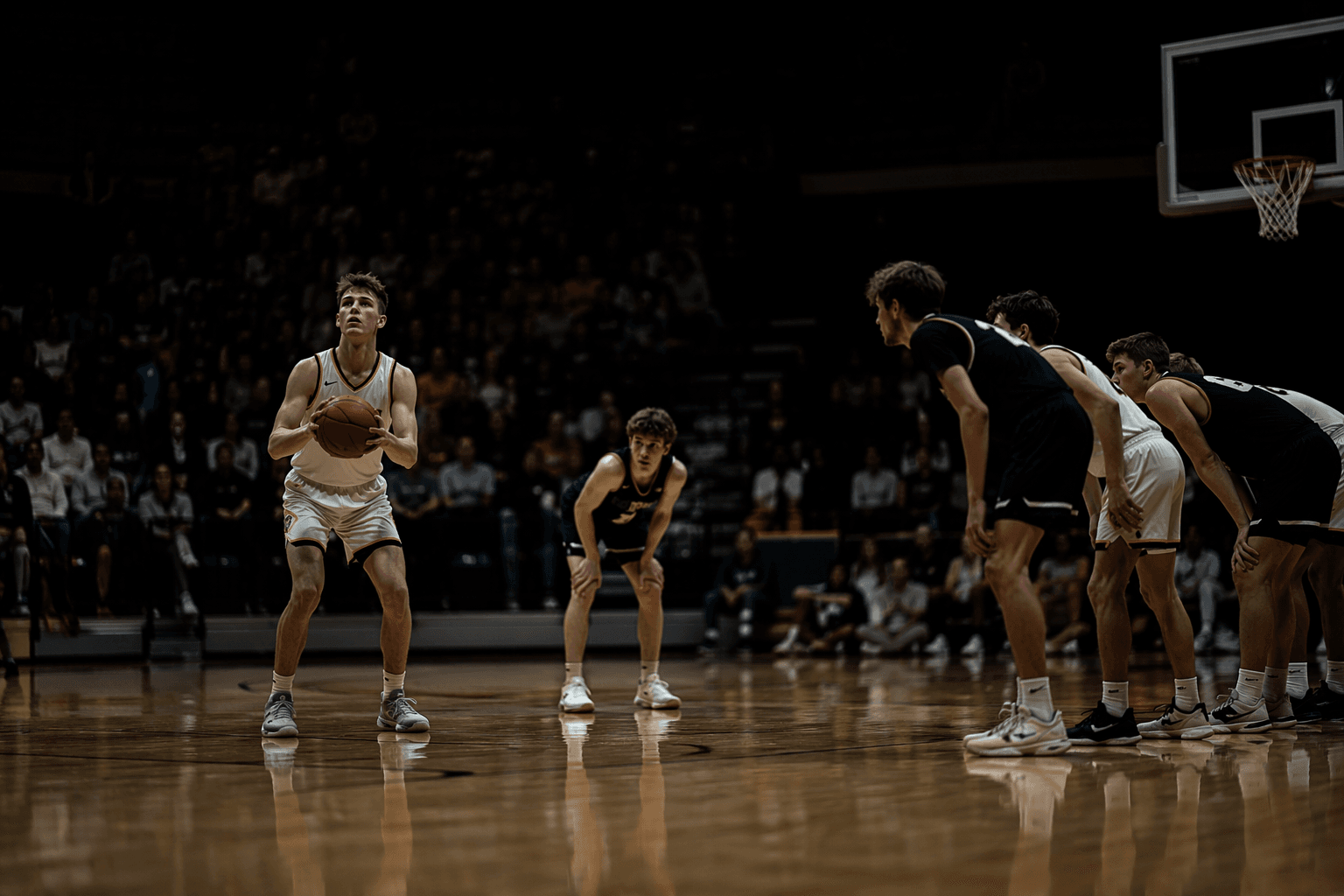
A late Indiana high school foul, timeout, or rim play can turn on the NFHS rulebook. The details separate a clean finish from a confused one: four eight-minute quarters, bonus free throws that no longer come with a one-and-one escape hatch, and officials working from high school-specific mechanics instead of college or pro habits.
The rulebook is the game
The National Federation of State High School Associations writes the official rules for high school sports, and its interpretations govern how those rules are applied. Indiana does not run on NCAA expectations, NBA habits, or a generic gym-clock feel. When fans argue a call in real time, the answer is usually already sitting in the NFHS book, the case book, or the published interpretations.
That framework also explains why Indiana’s basketball rhythm feels different from the college game. High school basketball uses four quarters of eight minutes each, with one-minute intermissions after the first and third quarters and a 10-minute halftime. If you watch closely, those breaks are not just dead space, they are the reset points that shape substitution patterns, press decisions, and whether a coach burns a timeout to protect a lead or save one for the final possession.
Why the bonus change hits harder than it sounds
The most important scoring wrinkle in Indiana is the bonus change the IHSAA adopted for 2023-24. Once a team reaches the bonus, it shoots two free throws for common fouls, and the old one-and-one is gone. The May 15, 2023 amendment to Rule 4-8-1 guarantees two shots in the bonus instead of a front end with a built-in escape.
That sounds like bookkeeping until a close game reaches its final three minutes. Coaches can no longer spend a marginal foul like it is a gamble with a built-in hedge, because the opponent is getting a guaranteed pair. It changes when teams press, when they intentionally foul, and how willing they are to extend possessions with risk on the defensive end. In the old system, the one-and-one let a defense survive a missed front end; now the bonus is cleaner for the offense and more punishing for the team trying to drag the clock down.
What viewers miss at the table
The game is not only being managed by the five players on the floor. The referee designates the official scorebook and official scorer, the scorebook must be ready 10 minutes before game time, and the scorer must receive each team’s roster and starting lineup before the opening tip. That means the table is part of the officiating system, not a side desk with a pencil and a clipboard.
The timer’s job is just as specific. The timer gives a 15-second warning before the end of an intermission or a time-out, including 60-second and 30-second timeouts, and before the 15-second interval for replacing a disqualified, injured, or directed-off player. That is why a timeout can feel longer or shorter than it should on television or in the stands: the clock crew is working under a defined procedure, not guessing when everyone is ready.
Officials also report fouls in a standardized way. The official moves to the reporting area, gets the scorer’s attention, identifies the jersey color, and uses two hands to display the number of the player who committed the foul. The signal chart is part of the support material bundled with the rules resources, along with the court diagram and the major NCAA-vs.-NFHS differences sheet.
The rim rules changed too
NFHS changed basket-area enforcement for 2025-26 in ways that matter at the rim. Offensive goaltending was removed, the rule now says a ball is considered on its downward flight once it touches the backboard on a legitimate shot attempt, and basket-interference language was expanded to include slapping or striking the backboard so it vibrates while the ball is in a scoring position. NFHS said the changes were meant to simplify enforcement, reduce confusion over whether a ball was a shot or a pass, and create clearer scoring opportunities.
That affects the plays everyone thinks they understand until the whistle blows. A guard finishing through contact, a shot blocker arriving late, or a rebound battle under the glass can all turn on whether the ball has already been treated as descending, whether the backboard vibration counts, and whether the defense has crossed from contest to interference.
Why Indiana is still built to play slow
Indiana has resisted the shot-clock trend. On May 4, 2026, the IHSAA Board of Directors approved Personal Branding Activities for student-athletes but rejected a basketball shot clock proposal. That decision came during its annual by-laws review in Indianapolis.
That refusal matters because pace is not just style, it is strategy. Without a shot clock, late-game possessions can still be stretched, shortened, or frozen by coaching choice, which makes the bonus, the timeout count, and the foul situation even more important.
The tournament system underneath it all
The IHSAA organizes tournament administration, schedules, classifications, and statewide resources through its basketball page, and its classification system uses school enrollment totals to determine basketball classes for the next two school years. The 2024-25 boys tournament was the 115th annual event, the 2025-26 event is the 116th annual tournament, and the state finals are scheduled at Gainbridge Fieldhouse in Indianapolis.
The 2025-26 state tournament pairings show has Greg Rakestraw and Kyle Neddenriep hosting, with the broadcast streaming exclusively on IHSAAtv.org and airing on affiliates of the IHSAA Champions Network.
This article was produced by Prism’s automated news system from verified source data, official records, and press releases, then run through automated quality and moderation checks before publishing. The system is built and supervised by the people who set the standards it runs under. Read our full AI policy.
Know something we missed? Have a correction or additional information?
Submit a Tip