Indiana’s biggest high school gyms reflect Hoosier basketball tradition
Indiana's biggest gyms are competitive weapons, not relics. New Castle, Spartan Bowl and Hinkle turn crowd noise, sightlines and scale into pressure.
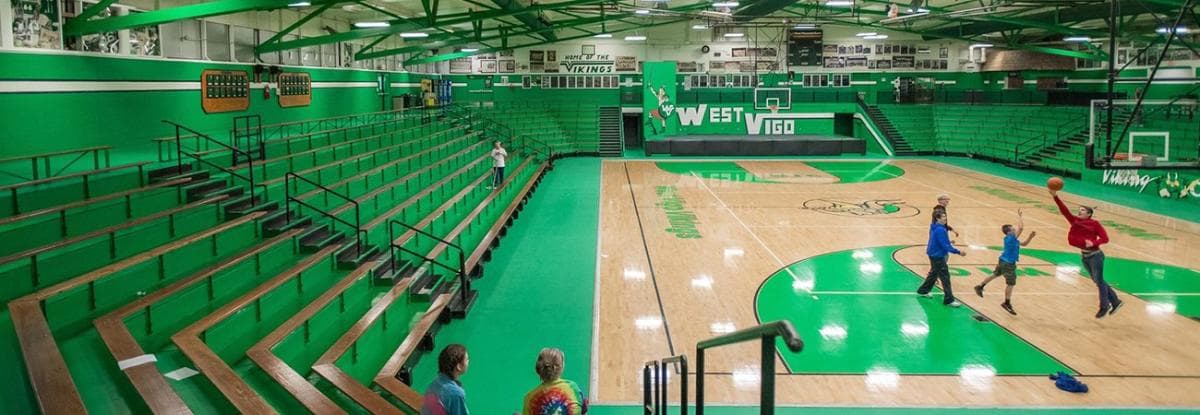
Indiana basketball has never lived only on the scoreboard. The state’s biggest high school gyms turn sectionals, regular-season games and holiday nights into something closer to civic events, where the building itself shapes what players hear, see and feel. Visit Indiana places Hoosier Gym, Hinkle Fieldhouse and New Castle Fieldhouse in the same conversation because in Indiana, the venue is part of the identity.
How Indiana turned size into identity
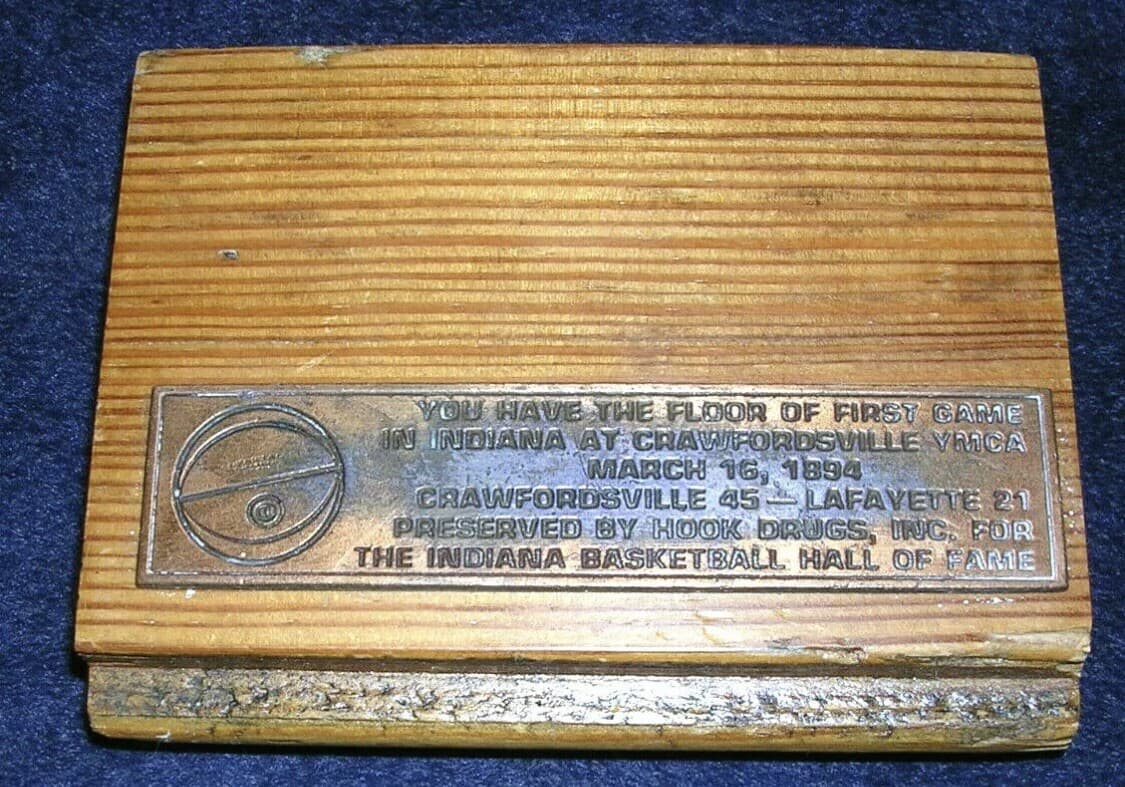
The Indiana Department of Natural Resources traces the state’s basketball obsession almost to the invention of the game in 1892, then points to the surge between 1911 and 1937, when the Indiana High School Athletic Association’s tournament grew from 12 teams to more than 800. That expansion did more than create champions. It forced schools and towns to build for crowds, and it helped turn basketball into the state’s most powerful winter ritual, the one later known as Hoosier Hysteria.
The earliest gyms were often attached to school buildings and were built with little room for spectators. Columns and support pillars could block views, which made the experience feel cramped even when the gym was full. Evansville architect Ralph Legeman changed that with the sunken gym, a design that pushed the playing floor below ground level and opened up sightlines, giving Indiana basketball a distinct architectural language that still defines its biggest buildings.
The places that carry the brand
New Castle Fieldhouse sits at the center of that story. Visit Indiana describes it as the largest high school gymnasium in the world, with 8,424 seats, a parquet wooden floor sunken 25 feet below ground and 24 rows of wooden bleachers wrapping the court. A January 2021 renovation added 260 telescoping seats on the west concourse and 335 portable bleacher seats, restoring that full capacity and putting the gym back atop the national high-school leaderboard.
The building’s scale makes more sense when placed beside the school’s own history. New Castle High School began playing basketball in 1917 and moved into an 1,800-seat Church Street Gym by 1924, then eventually built the Fieldhouse that now defines the town. The jump from a modest early gym to an arena with more than 8,000 seats shows how Indiana communities turned basketball into a public gathering point, not just a school activity.
Connersville’s Spartan Bowl offers a different version of the same idea. It opened on November 25, 1958 as a bowl-shaped gym with 18 rows around the court, and Visit Indiana lists its seating capacity at 5,847. The design keeps the action close to the crowd, which is exactly why it remains one of the state’s signature venues, a place where a sectional can feel like it is happening in the center of town rather than inside a school building.
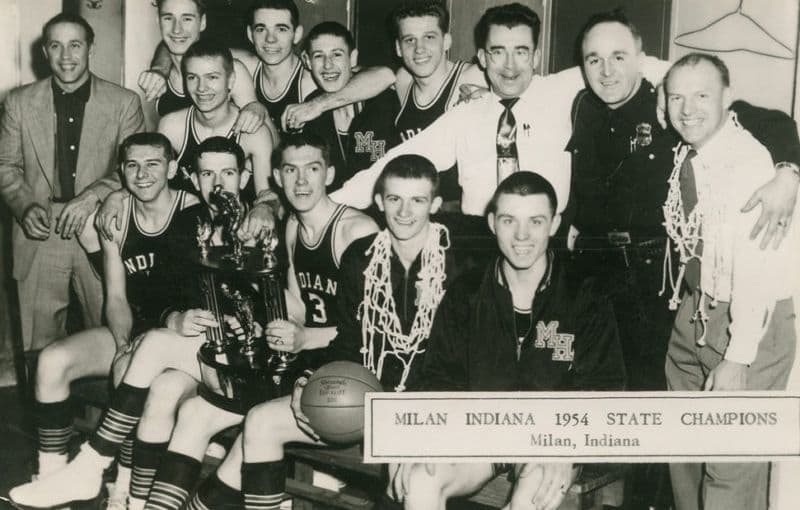
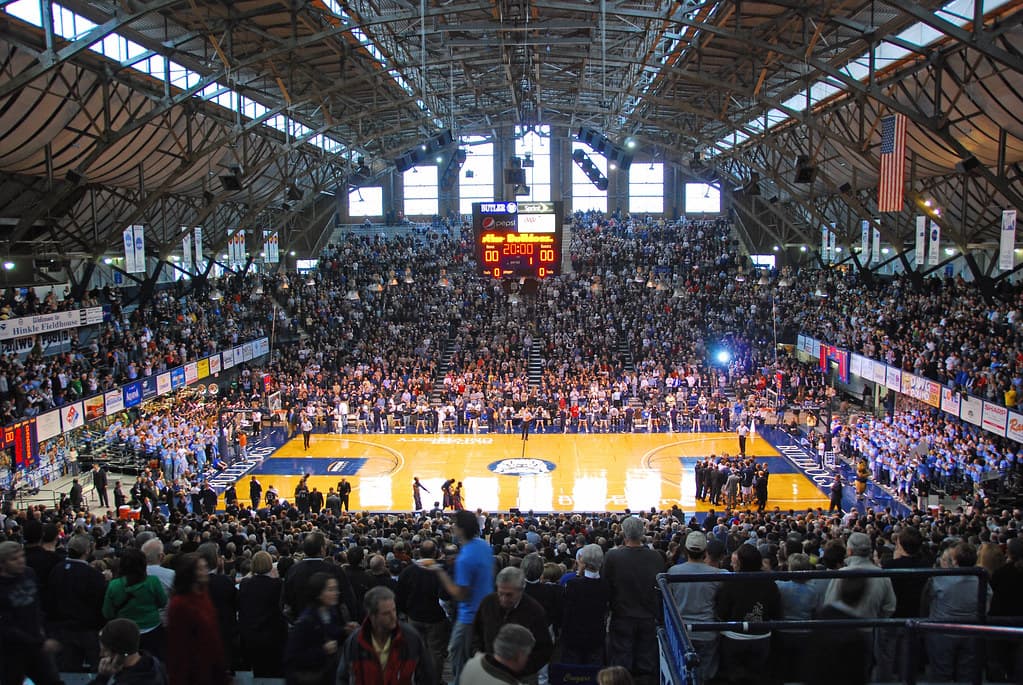
Southport Fieldhouse in Indianapolis pushes that effect even further. With just over 7,300 seats and a lowered court, it creates a true arena feel that few high school sites in the country can match. Hinkle Fieldhouse in Indianapolis belongs in the same conversation because of the games it has hosted, including the 1954 Milan Miracle and the 1955 and 1956 state titles won by Crispus Attucks, the first all-Black team to win the tournament. Hoosier Gym, another stop on Indiana’s basketball trail, reinforces the same point: these buildings are landmarks because they hold memory as much as they hold people.
A compiled list of the nation’s largest high school gyms puts New Castle Fieldhouse at No. 1 and Seymour’s Lloyd E. Scott Gymnasium at No. 2, and Hoosier Hardwood says nine of the top ten largest high school gyms in the United States are in Indiana. That kind of concentration is rare enough to be a state identity in itself. Indiana did not just produce great teams; it produced a landscape built for them.
Why the buildings still matter on game night
The Hoosier Hardwood Photo Project began in 2013, when Chris Smith and Michael E. Keating set out to document Indiana’s historic high school gyms. By 2026, the project says it had traveled more than 50,000 miles, shot 500,000 digital frames and visited 325 gyms, a scale that mirrors the culture it is recording. Those numbers help explain why a road game in Indiana can feel heavier than the schedule line suggests: the echo is louder, the court sits deeper, and the crowd has more room to build pressure.
That matters because these spaces are not passive backdrops. A sunken floor changes sightlines for players and officials. A bowl-shaped bowl like Spartan Bowl keeps noise concentrated around the court. A massive fieldhouse like New Castle makes the home crowd feel like part of the floor plan, which is why regular-season games and sectionals in Indiana so often play with a bigger edge than the calendar would suggest.
The Indiana High School Athletic Association, founded in 1903, still conducts a state tournament series annually in 22 sports, but basketball remains the sport that best explains why the state built so many oversized gyms. The old Church Street Gym in New Castle held 1,800 people; the Fieldhouse now holds 8,424. That gap is the story of Hoosier basketball in concrete, wood and light: the game grew, the buildings grew with it, and the biggest ones still make every possession feel larger than the night around them.
This article was produced by Prism’s automated news system from verified source data, official records, and press releases, then run through automated quality and moderation checks before publishing. The system is built and supervised by the people who set the standards it runs under. Read our full AI policy.
Know something we missed? Have a correction or additional information?
Submit a Tip