Indiana prospects stand out at Prep Hoops state tournament in Lebanon
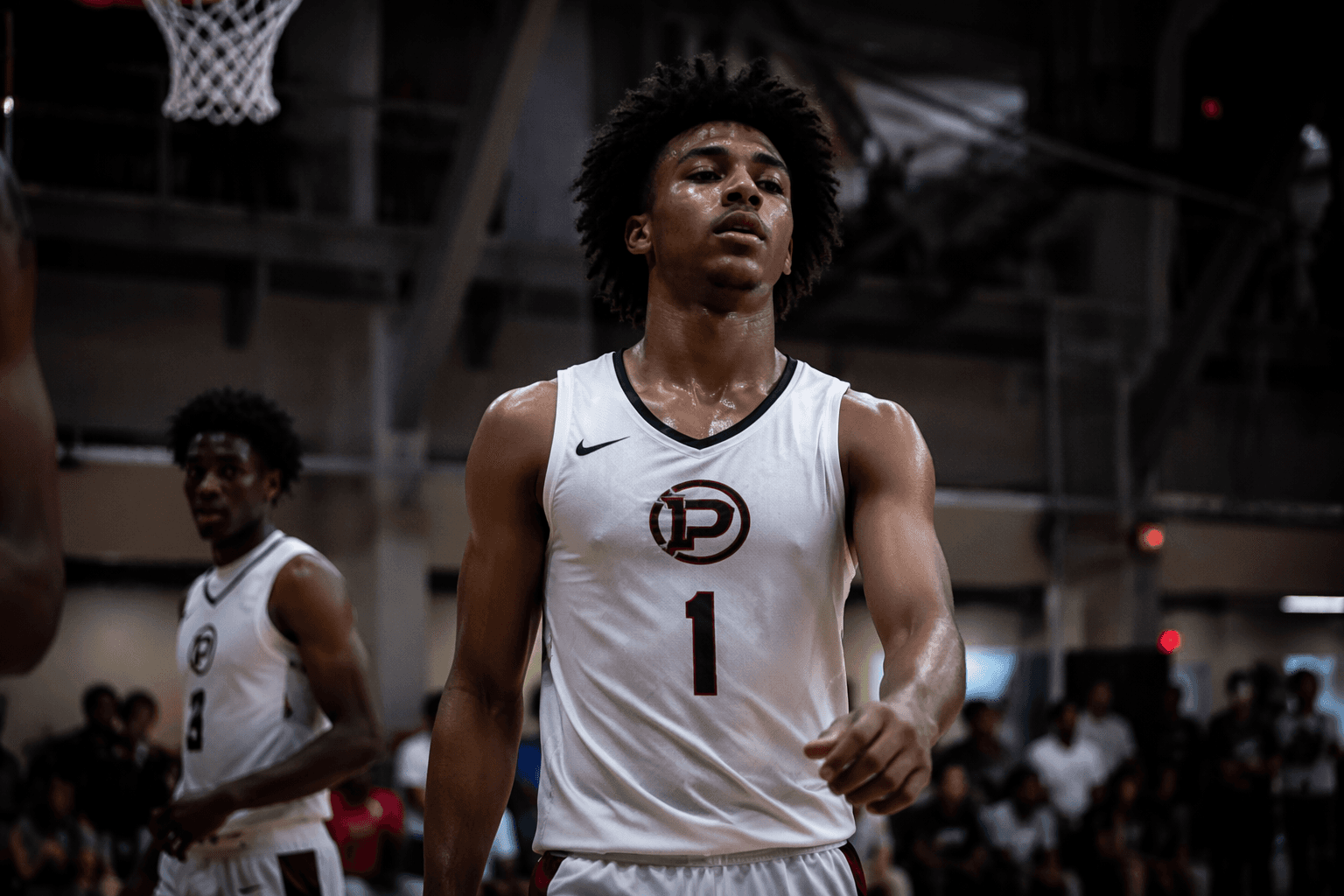
Lebanon’s spring finale changed the scouting picture, with Jackson Gordon’s size, Owen Garber’s lead-guard play and 2028 names like Reece McKee and Tracen Roush forcing a fresh look.
Final spring checkpoint in Lebanon
The biggest takeaway from the Prep Hoops Indiana State Tournament in Lebanon was not just who won individual games, but who left the strongest last impression before the circuit hands the spotlight to June scholastic events. At The Farmers Bank Fieldhouse, scouts saw a bracketed setting that can expose more than highlight reels ever do, and that mattered because the tournament served as the final major grassroots look before teams regroup in July.
Prep Hoops built the weekend around that idea. The event ran May 29-31, 2026, and the field was large enough to make every good performance matter: 17U had 17 teams, 16U had 18, 15U had 16, 14U had 10, 13U had 7, 12U had 5 and 11U had 5. With top in-state teams and several shoe-circuit programs involved, this was not a casual spring stop. It was a measuring stick.
Why the tournament mattered
Tournament basketball changes evaluation. A player can look polished in one game and exposed in the next, and that is exactly why this setting matters more than a typical grassroots run. Prep Hoops framed the weekend as a final look at prospects in a grassroots environment before the summer calendar turns fully toward scholastic work and team camps.
That timing gives the standouts extra weight. Coaches, scouts and opponents are not just tracking who scored points, they are recalibrating how they view each prospect heading into the summer. A strong showing here can move a player from “watch list” to “priority follow,” and that is especially true when the gym is full of evaluators with boots on the ground.
The players who changed the conversation
Jackson Gordon was the clearest frontcourt name to come out of Lebanon. The 6-foot-11 Brownsburg big in the 2027 class, who runs with Indiana Elite Team Tradition, immediately stands out because of frame alone. But the profile attached to his name matters too: Prep Hoops describes him as a consistent, improving center with a real soft touch around the basket. That combination is what makes him more than just a tall body in the lane. It makes him a player whose ceiling and usefulness can both be discussed in recruiting conversations.
Owen Garber also belongs in the stock-watch category. The 6-foot-1 Lapel guard in the 2027 class, who plays club basketball for Refined Indiana, is the type of prospect who can change a game’s pace and control with decision-making. In a bracket setting, that matters because guards who can keep a team organized while still applying pressure tend to gain trust fast. Garber’s name in the opening section signaled that he did enough to make evaluators look twice.
Nash Sigmund is another 2027 guard whose value rises in this kind of setting. The 6-foot-1 Decatur Central guard, listed by Prep Hoops as a shooting guard and combo guard for Indiana Basketball Club Gold 2027, benefits from a tournament format that rewards complete-game impact. Players like Sigmund can get lost in casual summer settings if they only flash for a few possessions, but bracket play makes consistency visible. That is where his stock can move.
The next wave was in the gym too
The most encouraging part of the Lebanon coverage is how clearly it stretched beyond the oldest group in the building. Reece McKee, a New Albany guard in the 2028 class, showed that the evaluation was not locked only on upperclassmen. When younger guards hold their own in a state tournament field, they begin to enter the conversation earlier, and that can affect how peers and college staffs think about the class pecking order.
Tracen Roush fit that same future-facing category. The 6-foot-1 Austin guard in the 2028 class, who plays for Grand Park Premier, gives the story a real early-cycle angle because it is not too soon for rising underclassmen to shape the next wave of Indiana recruiting chatter. A 2028 guard making noise at a final spring checkpoint tells coaches that summer expectations may need to rise faster than planned.
Levi Lindeman and Jaedyn Litzlbauer also appeared on the standouts list, and their inclusion is part of what made the weekend useful. Even without the same level of public profile detail attached to their names in the available notes, they added to the sense that the event was broad and serious, not a showcase built around only a few marquee players. When the evaluation board is that deep, a good showing from a lesser-known name can matter just as much as a headline performance.
What the setting revealed about the market for talent
The reason this event reads like an insider stock report is simple: the format exposed more than scoring. A player’s ability to handle pressure, sustain energy across multiple games and translate tools into winning basketball became part of the public record for the weekend. That is especially important in Indiana, where the gap between spring buzz and summer traction can be narrow.
Jackson Gordon’s size changes the way coaches have to scheme. Garber’s guard play changes how a staff thinks about lead-guard depth. Sigmund’s combo-guard profile makes him useful in multiple lineups. McKee and Roush show why the 2028 class is already worth monitoring, because prospects who look advanced in May can become central to summer conversation by July. That kind of early movement is what reshapes the market.
The broader impact heading into summer
Lebanon also underscored how evaluation has evolved. Scouting is no longer just about seeing who can score in a live run. It is about identifying which prospects can carry value into the next phase, when coaches begin comparing summer production against spring baseline data. Prep Hoops’ decision to spotlight this tournament as the wrap-up to the spring circuit makes sense because the event felt like a pivot point, not a finish line.
That is why the weekend stood out as more than a recap. It was a reminder that the next phase of Indiana basketball exposure starts with a fresh set of questions: Which 2027 guard has separated himself? Which young guard has already entered the conversation? Which big man looks like a serious frontcourt piece rather than a project? Lebanon gave scouts enough answers to adjust the board before June and July tighten the focus.
By the end of the weekend, the message was clear. The spring circuit may be over, but the prospects who made the strongest impression at The Farmers Bank Fieldhouse are heading into summer with better odds, bigger expectations and a very different level of attention.
This article was produced by Prism’s automated news system from verified source data, official records, and press releases, then run through automated quality and moderation checks before publishing. The system is built and supervised by the people who set the standards it runs under. Read our full AI policy.
Did this article answer your question?