Indiana sectional basketball rewards survival, continuity and long-term dominance
Lafayette Jefferson’s 29 straight sectional titles show why Indiana’s toughest tournament is about survival, not nostalgia. In a draw-driven gauntlet, one bad night can erase months of work.
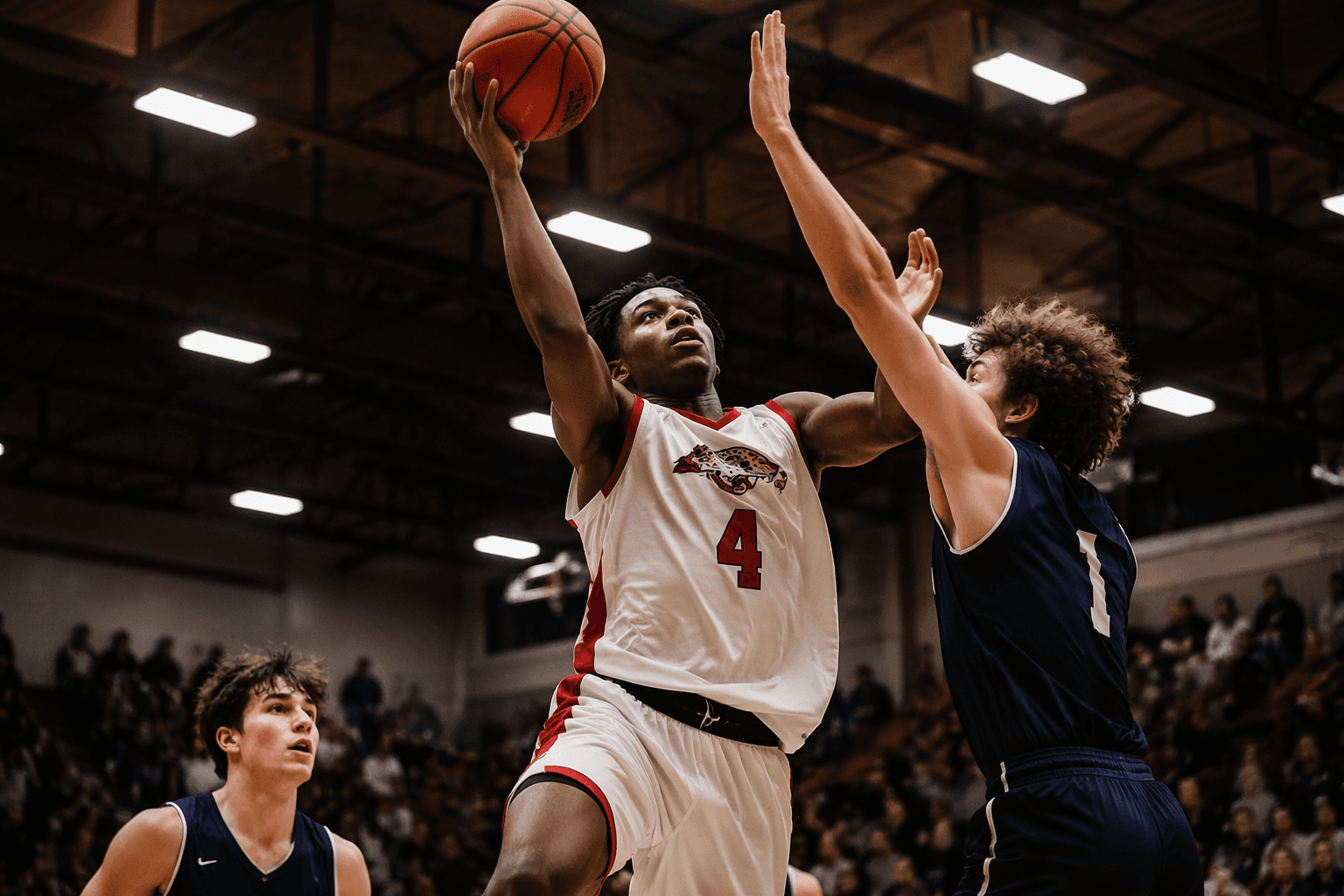
Lafayette Jefferson’s 29 straight sectional championships from 1944 to 1972 remain the cleanest proof of what Indiana basketball asks of its best programs: show up again, win again, and do it in the same pressure cooker where one mistake can end the season. That streak is not just a number in a record book. It is a measure of how a school survives coaching changes, graduating classes, and shifting competitive eras while staying relevant every winter.
Sectionals are where Indiana basketball first proves itself
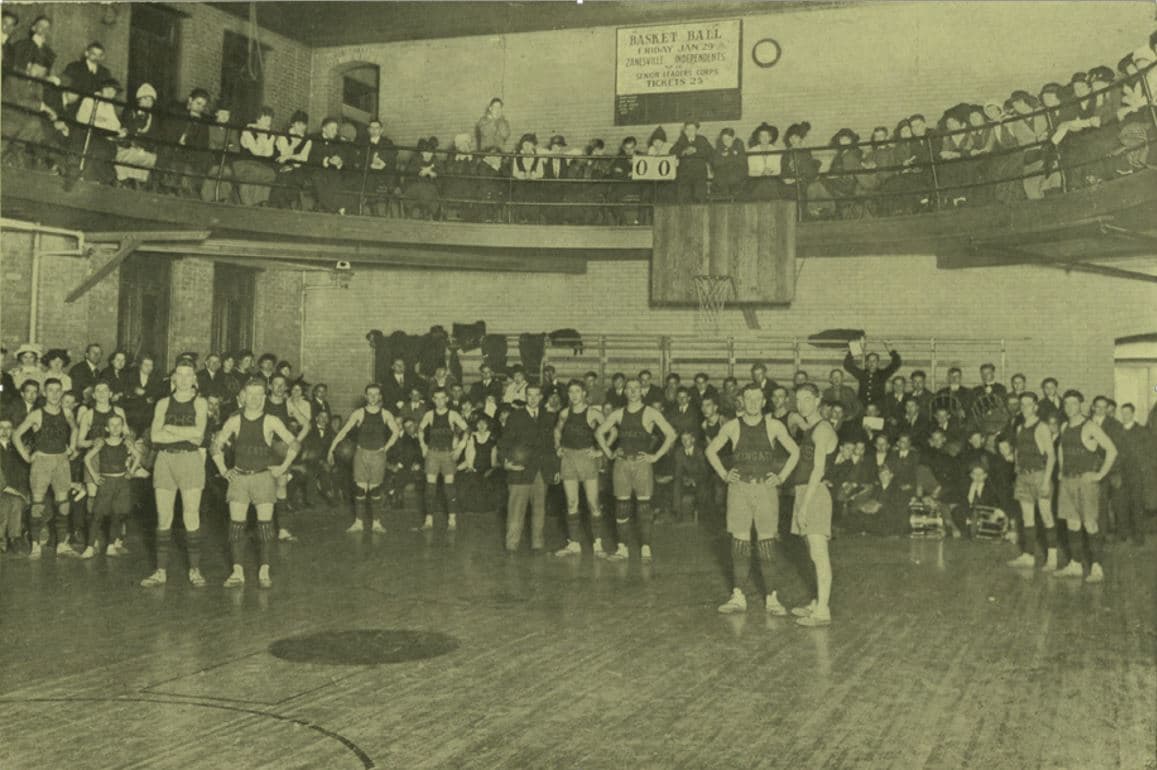
The sectional format was added in 1915, when 155 teams entered and 14 sectional elimination tournaments were set up across the state. Those winners advanced to state finals in Bloomington the following week, giving Indiana a postseason path that was already built around local survival before the state became famous for its broader basketball mythology. By 1917, as the Indiana History Blog notes, Hoosier Hysteria was taking root quickly because more teams were entering sectional tournaments and towns were rallying behind regular-season games as community events.
That structure still shapes the sport’s meaning. Indiana’s current boys tournament still moves from sectionals to regionals to semi-states to the four state championship games at Gainbridge Fieldhouse in Indianapolis, but the sectional remains the first and most unforgiving checkpoint. A team does not get the luxury of a long series or a cushion built on reputation. One off-night, one injury, one bad matchup, or one opponent peaking at the right time can end a season immediately.
Lafayette Jefferson’s streak is the standard for sustained relevance
The IHSAA’s all-time sectional championships list gives Lafayette Jefferson a place no one else has reached: 29 consecutive boys sectional titles, from 1944 through 1972. That run is more than dynastic. It is a case study in continuity, because a streak that long has to survive everything that normally breaks programs apart. Coaches leave, players graduate, styles change, and rivals adapt, yet the same school kept clearing the same local hurdle year after year.
That is why the streak matters so much in Indiana. A sectional title is already hard to win once, but winning 29 in a row turns the bracket into a test of institutional culture. Lafayette Jefferson’s home base at the Marion Crawley Center adds to that picture. The gym opened in 1969, seats 7,200, and sits in a basketball state where the building itself becomes part of the program’s identity. The streak and the venue together show how winning in Indiana is tied to place as much as personnel.
The numbers behind Indiana’s long memory
Lafayette Jefferson’s record is the clearest headline, but the broader sectional ledger shows how durable success can be across the state. Anderson owns 51 boys basketball sectional championships overall, the most of any school on the IHSAA’s sectional list. Schools such as Andrean and Attica are also in the 20-plus range, which shows that repeated local dominance is possible even in a format designed to keep everyone vulnerable.
The comparison to regional history sharpens the point. Marion’s 13 straight regional championships from 1975 to 1987 stand as the longest regional streak on the IHSAA’s records page, but that still falls well short of Lafayette Jefferson’s 29 consecutive sectional titles. That gap says something important about the tournament ladder itself: the sectional is where long-term excellence is hardest to sustain, because the field is smaller, the rivalries are tighter, and the margin for error is smaller.
Random draws and assignment rules keep the bracket volatile
Indiana’s tournament system also protects unpredictability. The IHSAA says sectional draws are conducted randomly with ping-pong balls placed in an air-mix machine, a process that strips away any illusion that history alone controls the bracket. Even a strong program can find itself in a difficult sectional pairing, and the association says sectional assignments can be influenced by travel distance, facility quality, classification, success, and satisfactory management of prior events.
That matters because sectionals are not just about who is good. They are about who can handle the local landscape they are dealt. A team may have a strong regular season and still face a brutal path simply because of geography and the tournament draw. In a format like that, continuity is not a luxury. It is the competitive advantage that keeps a program from being derailed by one bad matchup or one cold shooting night.
Why the sectional still defines Indiana basketball culture
Indiana’s boys tournament is now in its 114th annual season, as the IHSAA described the 2023-24 event, and the age of the tournament only increases the weight of sectional tradition. The bracket is not an afterthought on the way to Indianapolis. It is the foundation of the state’s postseason identity, the place where neighborhood rivalries and school pride collide before the state’s best teams ever reach the bigger stages.
That is why Lafayette Jefferson’s 29-year sectional run resonates so strongly. It represents a program that did not just peak once or twice. It kept proving itself in the same winter format that has defined Indiana hoops for more than a century. In a state built on local pressure, short brackets, and relentless rematches, sustained tournament relevance is the real championship standard.
This article was produced by Prism’s automated news system from verified source data, official records, and press releases, then run through automated quality and moderation checks before publishing. The system is built and supervised by the people who set the standards it runs under. Read our full AI policy.
Did this article answer your question?