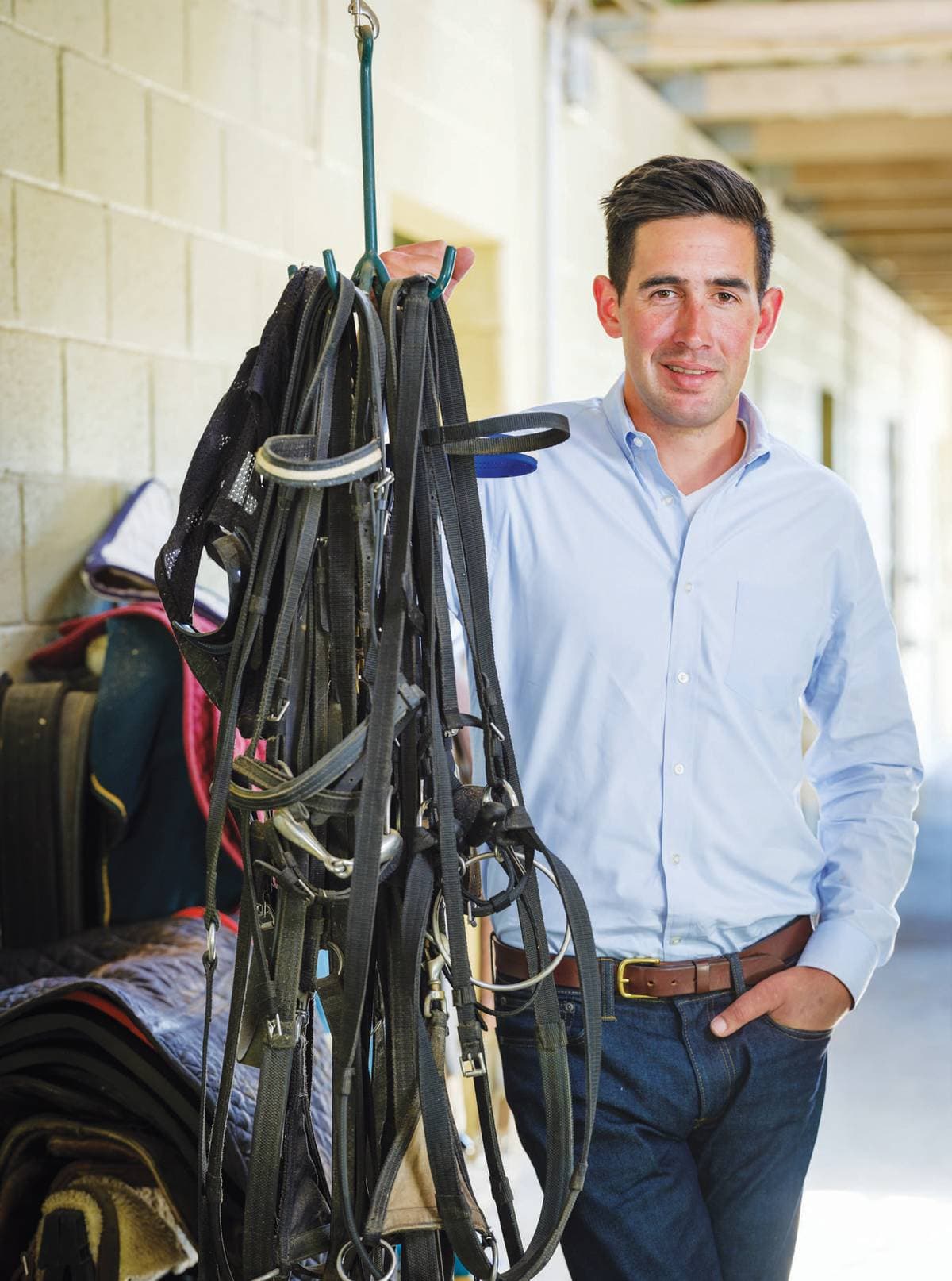
Ingordo warns horse racing must build its future workforce
Ingordo says racing’s real test is whether it can staff the next five years of racecards. A shortage of vets, farriers, and trainers could decide how many horses actually make it to the gate.
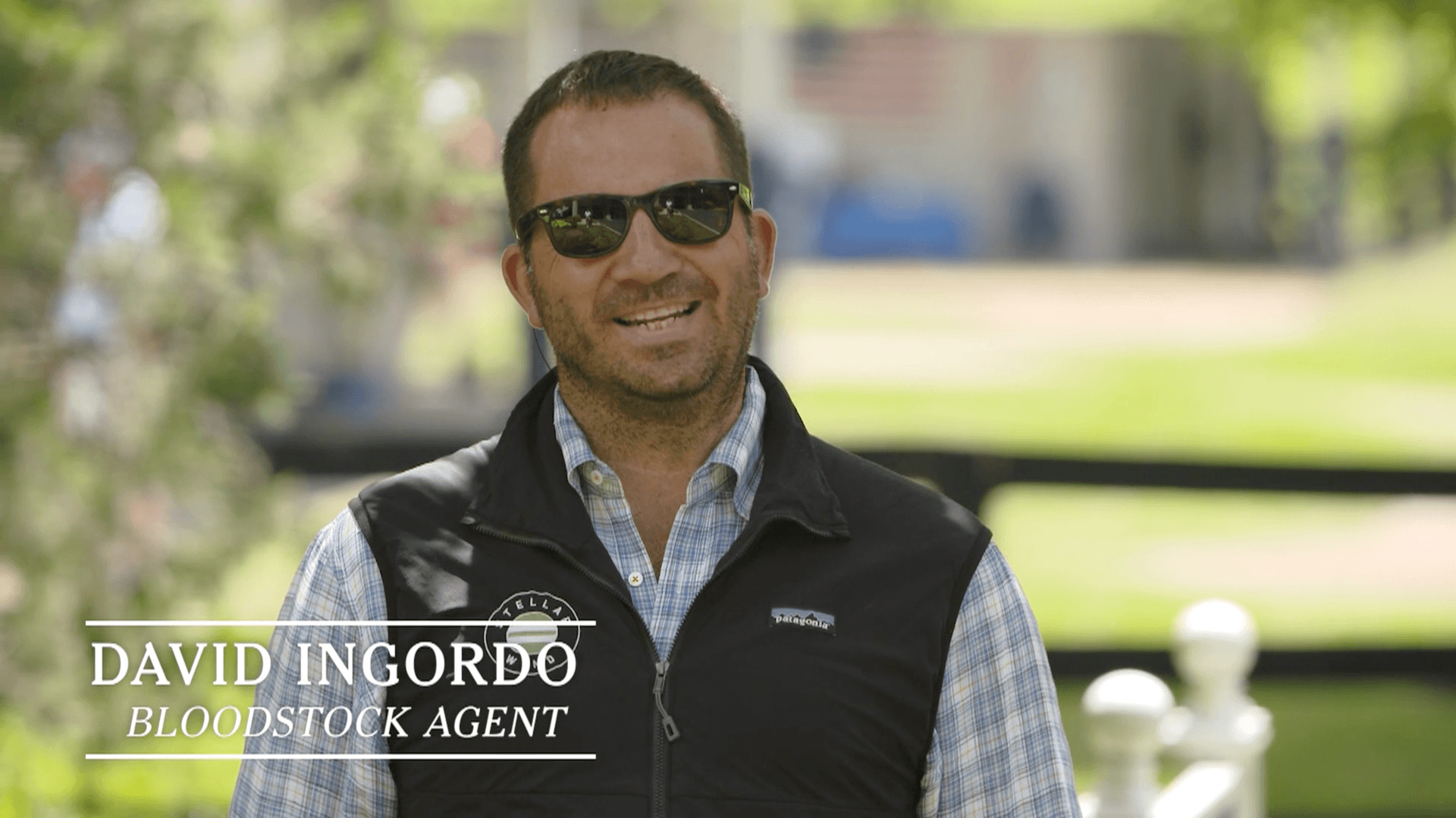
The next real race in Thoroughbred racing is not at the finish line, but in the workforce that gets horses there. David Ingordo’s warning is blunt: the sport has to think about sustainability, and that means asking where the next generation of trainers, veterinarians, farriers, and racing executives will come from. He is not talking about fans or owners, he is talking about the people whose daily work keeps horses in training, on schedule, and ready to race.
The five-year racecard test
Ingordo’s point becomes sharper when you think in terms of a racecard five years from now. A strong horse population means little if there are not enough trained hands to breed, break, treat, shoe, condition, and manage those horses through a full campaign. In practical terms, the question is not whether racing can stage a marquee day, but whether it can keep enough skilled people in barns, clinics, offices, and on the backstretch to make the daily machinery function.
That is where his argument lands with force. If the sport cannot replace the professionals who know how to move a horse from foal to sale ring to stall to racetrack, the calendar gets thinner even when the purses stay high and the major events still draw attention. The problem is structural, not cosmetic, because the shortage would hit the ordinary operating rhythm of the game long before it becomes visible in a headline.
Where the pipeline is already breaking
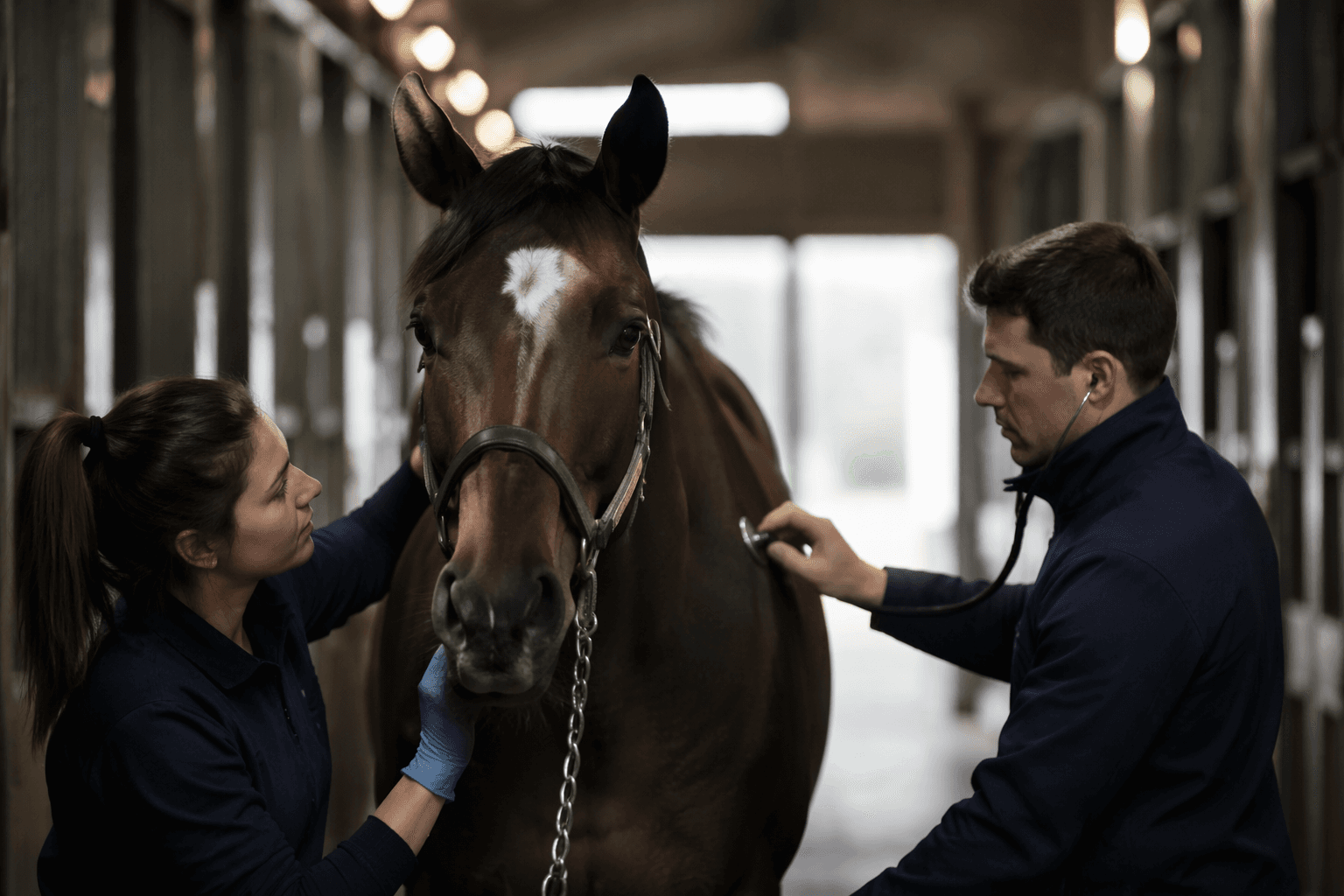
The clearest warning sign is in equine veterinary medicine. The American Association of Equine Practitioners says many areas of the United States and beyond face a shortage of equine practitioners, and it created the Commission on Equine Veterinary Sustainability in 2026 to recruit and retain more veterinarians for equine practice. In the AAEP’s figures, about 1.3% of new veterinary graduates enter equine practice directly each year, while another 4.5% pursue equine internships.
Those numbers matter because the supply line is already narrow. The AAEP and AVMA economics report counted 4,043 equine-practice positions in the U.S. private clinical practice sector in the cited dataset, which gives scale to a job market that already needs bodies and specialization. If that pipeline does not widen, racetracks and farms will feel it in slower response times, thinner coverage, and more pressure on the same small group of practitioners.
Debt, pay, and hours are pushing people away
The Horse has pointed to why the pipeline leaks. Many new veterinary graduates carry more than $200,000 in student debt, while equine practice often offers lower salaries than small-animal work and demands longer, less predictable hours. That combination makes horse work a harder sell for young veterinarians who may love the sport but still have to balance loans, family life, and a more stable schedule.
That is why the AAEP’s call for better compensation, for both new and veteran practitioners, is more than a talking point. It is one of the few fixes that speaks directly to the economics of staying in the game. But pay alone will not solve the problem if long hours and a thin labor pool still make equine medicine feel like a sacrifice instead of a career path.
Backstretch support is part of the workforce equation
Racing’s workforce debate cannot stop with veterinarians. The New York Racing Association says the Backstretch Employee Service Team, the Belmont Child Care Association, and the New York Racetrack Chaplaincy serve the backstretch community at Belmont Park, Aqueduct Racetrack, and Saratoga Race Course. NYRA says those groups provide English classes, citizenship training, computer literacy, childcare, and social services, all of which help workers stay in the sport and build a life around it.
That support system matters because the backstretch is where daily racing labor becomes possible. NYRA was founded in 1955 and is franchised to run racing at Aqueduct, Belmont, and Saratoga through 2033, so the association is not managing a short-term pop-up, it is responsible for a long-running labor ecosystem. If racing wants a deeper bench in five years, these services are part of the answer, not a side project.
Immigration policy could widen the funnel, but only partly
Policy is now pressing on the same question. TDN has reported that proposed changes in the Securing Agriculture’s Workforce Act could open the H-2A temporary agricultural program to some immigrant backstretch workers. That would matter because the backstretch workforce now sits under H-2B visa limits within the Fair Labor Standards Act framework, which narrows the route for employers trying to fill essential jobs.
That is a potentially meaningful fix, but it is still only one piece of a broader labor strategy. Immigration channels may help fill immediate openings, especially in places where barns need staff every day, but they do not replace the need to recruit, train, and keep domestic talent. A visa change can relieve pressure; it cannot build an entire career ladder by itself.
The daily reality is what will decide the future
The urgency of this debate is visible in the most basic disruptions. NYRA announced a charitable campaign on June 23 to support trainers, staff, and backstretch workers affected by a barn fire at the Saratoga Casino Hotel Harness Track. That is a reminder that the people Ingordo is talking about are not abstractions on a policy chart, they are the daily operating core of the sport, and when they are disrupted, horses, barns, and schedules feel it immediately.
That is why Ingordo’s warning deserves to be read as a racecard issue, not a philosophical one. Five years from now, the sport will be judged by whether it can still field the labor, expertise, and institutional memory needed to breed the horses, train them properly, manage their care, and get them to the races on time. If racing builds that workforce now, the calendar stays deep; if it does not, the losses will show up in the barns long before they show up on the tote board.
This article was produced by Prism’s automated news system from verified source data, official records, and press releases, then run through automated quality and moderation checks before publishing. The system is built and supervised by the people who set the standards it runs under. Read our full AI policy.
Know something we missed? Have a correction or additional information?
Submit a Tip