Virginia breeding regains momentum as Chris Gracie highlights state’s legacy
Virginia breeding is turning heritage into a business again, with Chris Gracie’s view from Locust Hill Farm showing how certified horses are changing the Mid-Atlantic.
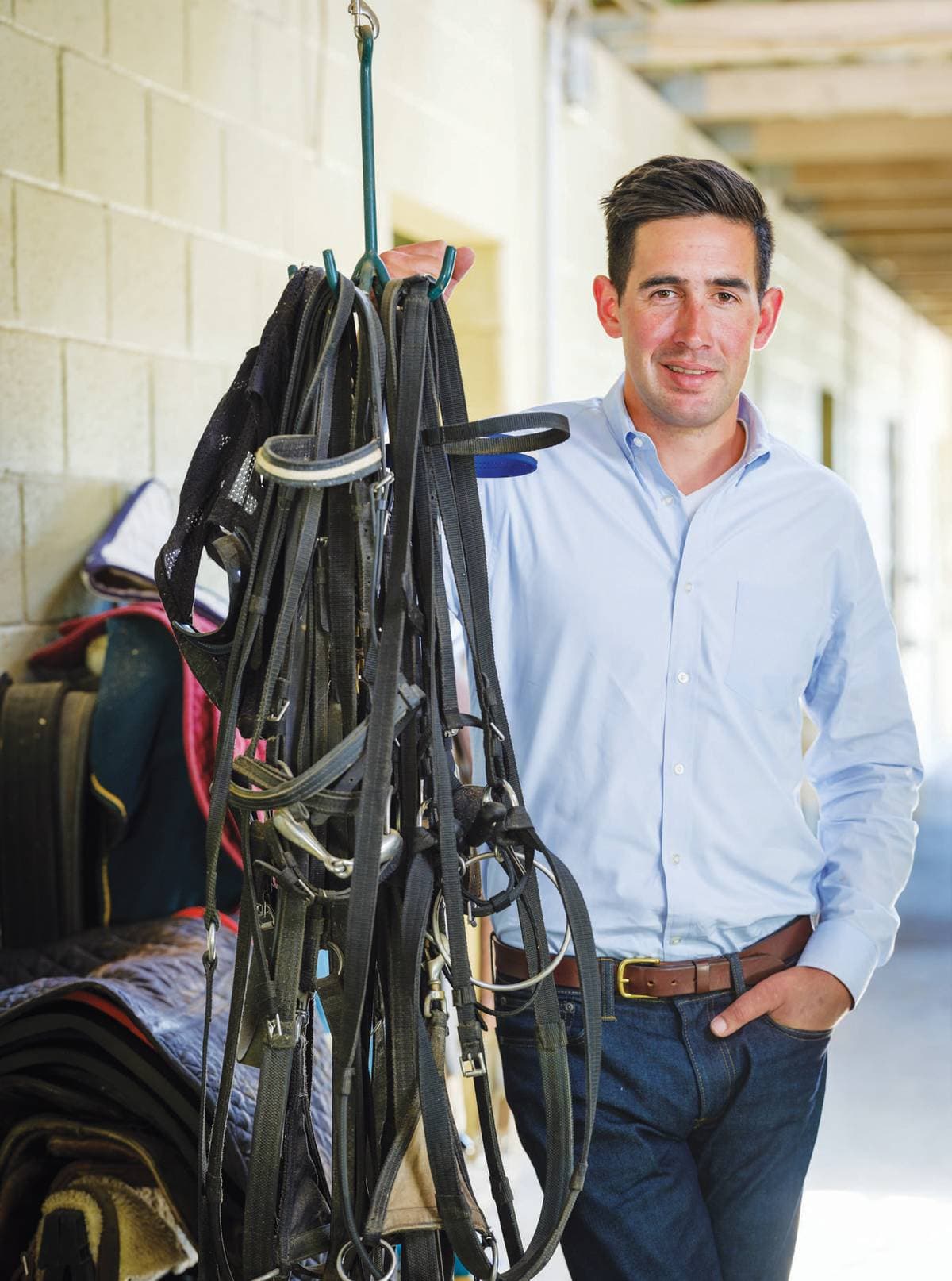
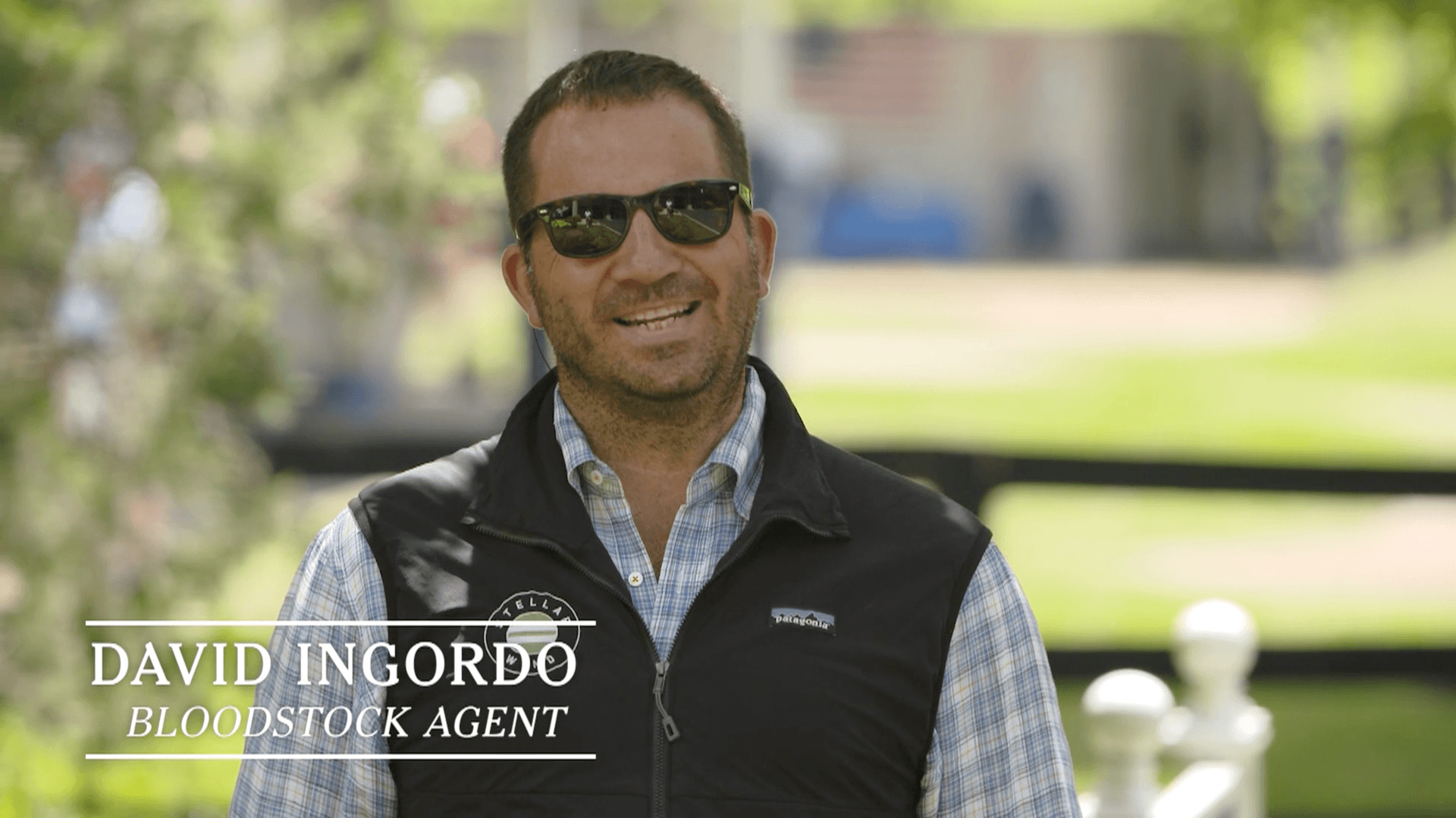
Virginia breeding is gaining real momentum because it is producing horses that can be placed, sold and targeted into the right races. Chris Gracie is one of the clearest examples of why that matters: a breeder, seller, bloodstock agent and former jockey who grew up in Pennsylvania and Maryland before settling at Locust Hill Farm in Middleburg, he understands the Mid-Atlantic market from the inside.
His background gives weight to the argument that Virginia is no longer leaning only on reputation. With roots in Kennett Square, Pennsylvania, and a 2003 Maryland Hunt Cup victory aboard Swayo, Gracie speaks as someone who has lived through the region’s changing commercial and competitive cycles. That perspective matters now because Virginia is trying to turn state identity into something a breeder can actually cash, race and reinvest.
The certification program changed the economics
The key shift came with the Virginia-Certified Residency Program, created in 2016 and launched in 2017. The program requires horses to spend at least six consecutive months at a registered Virginia farm or training center before they turn 3, which makes them eligible for certified bonus money in designated races. That residency requirement is the engine behind the state’s current pitch: put horses in Virginia early, keep them in the system, and give owners a financial reason to stay engaged.
The results are no longer theoretical. A 2024 economic-impact study pegged the program’s total effect at $86.2 million from 2017 through 2023. The same study tracked 5,031 participating horses and about $14.6 million in bonus payouts, while one trade report said the program produced nearly six dollars in economic impact for every dollar invested. Another cited $1.8 million in tax revenue against $54.5 million in program costs, a spread that helps explain why the certification model has become central to the state’s racing conversation.
That matters on the ground because the program is not just rewarding horses already on the edge of stakes quality. It is helping create a pipeline, giving breeders, pinhookers and trainers a reason to keep Virginia-breds in the conversation longer and to aim them at specific bonus-eligible spots on the calendar. For Mid-Atlantic connections looking for a business model with some staying power, that is the difference between sentiment and strategy.
Chris Gracie as proof of concept
Gracie’s value in this story is that he embodies how Virginia can fit into a broader regional circuit. He is not a detached cheerleader for the state; he is a horseman who has worked every side of the trade and knows how buyers think when they are weighing Virginia against Kentucky, Maryland or Pennsylvania.
That is why his view carries weight when he says people are beginning to notice Virginia-certified horses bringing serious money and drawing attention from buyers who might otherwise limit their focus to the traditional power centers. In practical terms, that means the state’s breeding program is no longer just a local support system. It is becoming a source of marketable inventory that can move through sales rings, farms and race programs with its own identity attached.
The significance reaches beyond one operation or one horseman. Virginia is trying to prove that a regional breeding base can still matter in an era when many states struggle to keep owners, farms and training centers viable. Gracie’s career shows that the Commonwealth’s pitch is landing with horsemen who understand the market from the inside.
The state’s heritage is doing double duty
Virginia’s modern push is stronger because it is tied to a deep bloodstock history that still carries market value. Sir Archy, foaled in 1805 along the James River, is widely regarded as America’s first great thoroughbred stallion. That name gives Virginia a foundational place in the breed’s early story, not just a souvenir shelf in a tourism brochure.
Secretariat gives the state an even more recognizable emblem. He was born on March 30, 1970, at Meadow Farm in Caroline County, Virginia, and the foaling shed still stands today at Meadow Event Park. That connection matters because it lets Virginia market both its racing legacy and its physical places at once, linking the sport’s most famous state-born star with a site that remains part of the Commonwealth’s heritage tourism story.
The result is a brand that reaches beyond horse people while still speaking directly to them. For racing fans, Secretariat and Sir Archy are bookends of a long bloodstock tradition. For buyers and breeders, they signal that Virginia is not inventing a story from scratch; it is activating one that already has depth.
Where the money and horses are flowing
The most important sign of progress is that the program is supporting real commercial activity at the farm level. Eagle Point Farm in Ashland stands out as one of the operations benefiting from the rise in Virginia-certified horses, and related coverage indicates some farms built around the program are taking in more than 100 certified horses a year. That volume creates steadier income, which is exactly what farms need when they are rebuilding barns, improving facilities or trying to keep labor stable.
This is also where the broader industry implications become clear. Virginia’s state-bred and residency structure is not just rewarding winners after the fact; it is helping shape where horses are raised, trained and pointed. The more horses that qualify, the more incentive money stays in the state, which in turn supports farms, training centers and the local economies around them.
Jill Byrne, appointed executive director of the Virginia Thoroughbred Association in 2025, has become a prominent public voice for that system. The association and the Virginia Equine Alliance both frame certified residency as a practical tool: horses, many of them bred out of state, spend the required six months in Virginia and then enter racing with bonus eligibility attached. That structure turns geography into a competitive asset.
What Virginia is really selling now
Virginia is no longer selling only legacy. It is selling a race program that gives owners targets, gives farms cash flow and gives breeders a reason to think the Commonwealth can compete on business terms. The history around Sir Archy and Secretariat gives the state a strong identity, but the certification program is what makes that identity usable.
Gracie’s career is useful here because it shows how a horseman can move between breeding, sales and racing while still seeing Virginia as a place with room to grow. The momentum is not built on one star or one seasonal spike. It is built on a residency rule, a bonus structure, farms that can fill stalls, and a market that is starting to treat Virginia-certified horses as commercial assets rather than regional afterthoughts.
That is the change now: Virginia’s legacy is no longer just something to celebrate. It is something the state is turning into runners, incentives and targets that matter in the Mid-Atlantic today.
This article was produced by Prism’s automated news system from verified source data, official records, and press releases, then run through automated quality and moderation checks before publishing. The system is built and supervised by the people who set the standards it runs under. Read our full AI policy.
Know something we missed? Have a correction or additional information?
Submit a Tip